In brief
A decade‑long study records the arrival of large baleen whales in East Greenland waters previously blocked by ice. Satellite tags and ship observations reveal up to 4,000 humpbacks and 6,000 fin and minke whales feeding in 2024. The warming climate has turned the region into a seasonal Arctic feeding frenzy, altering the marine ecosystem and potentially affecting other species such as narwhals and belugas.
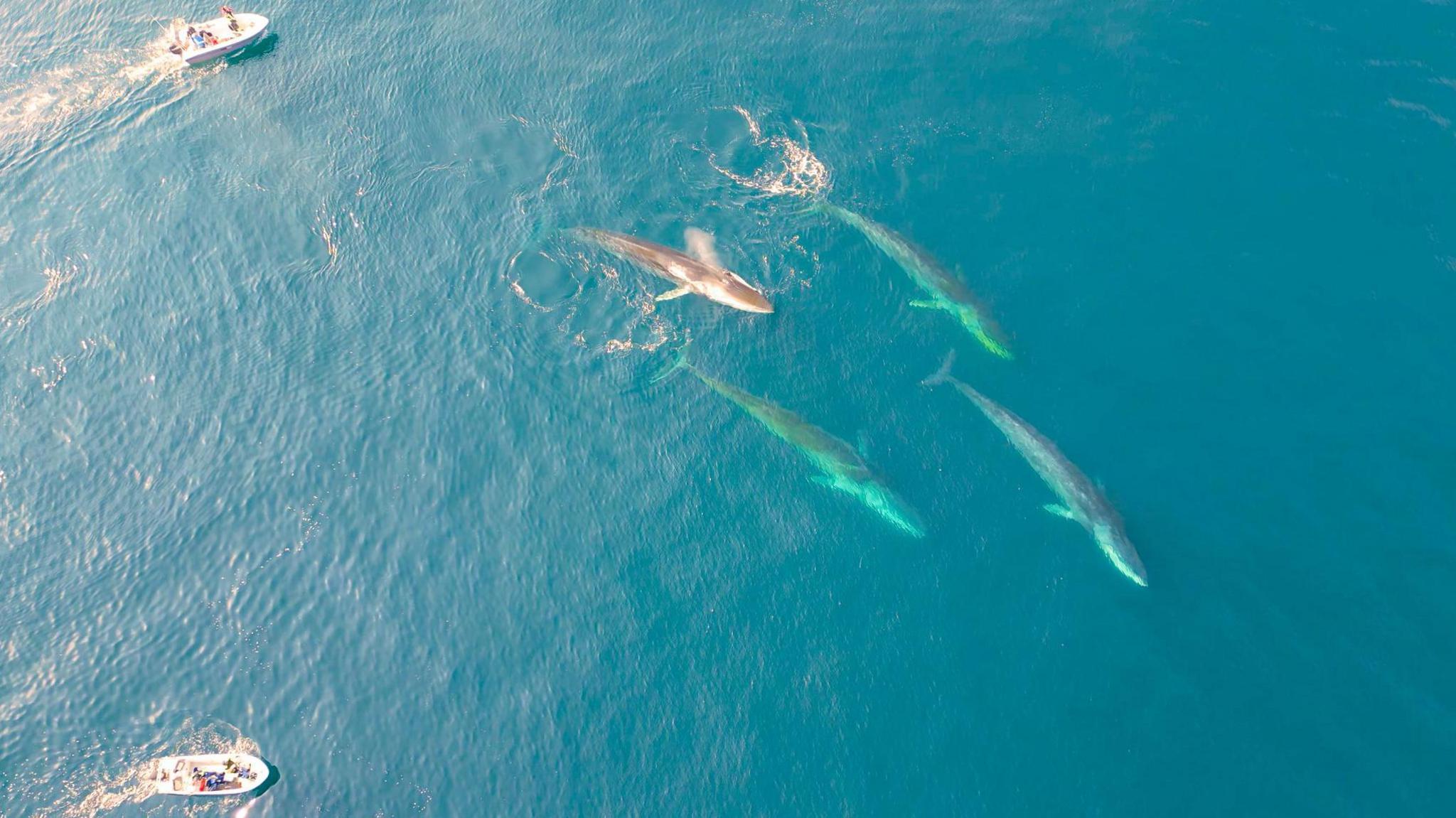
For the first time in recorded history, the expansive blue giants of the Arctic—fin, humpback and minke whales—are now seen feeding off the coast of East Greenland, a region that has been locked by sea ice for generations.
Scientists from the Greenland Institute of Natural Resources gathered data from ship surveys, aerial counts, satellite‑tagged individuals and Inuit hunters to attach a comprehensive climate narrative to these sightings. Between 2006 and 2024 the number of humpbacks that appeared has risen from none to 150 documented sightings by ships, signalling a dramatic shift in the subarctic ecosystem.
Prof. Mads Peter Heide‑Jørgensen calls the change a “major ecological regime shift” driven by warmer sea temperatures that attract fish and krill, the primary food source for these large whales. The researchers estimate that the three species consumed a combined 800,000 tonnes of fish and krill during the summer of 2024 alone.
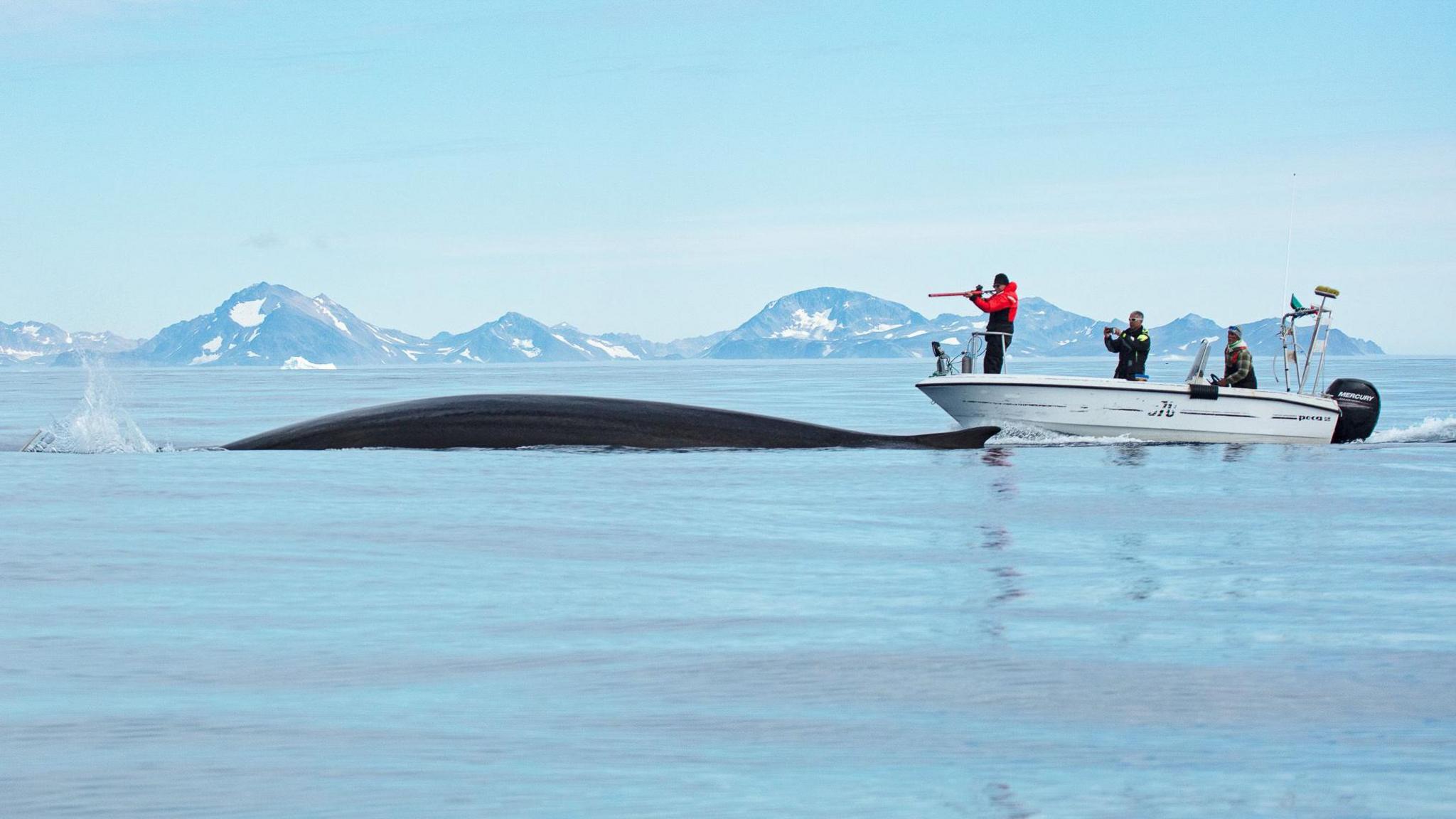
While some large species appear to be benefiting from the expanding ice‑free zone, other Arctic dwellers—narwhals and belugas—may lose habitat and face new competition from these opportunistic baleen whales. The broader implications of these findings highlight the nuanced effect of climate warming on marine ecosystems, with certain species thriving while others falter.