In brief
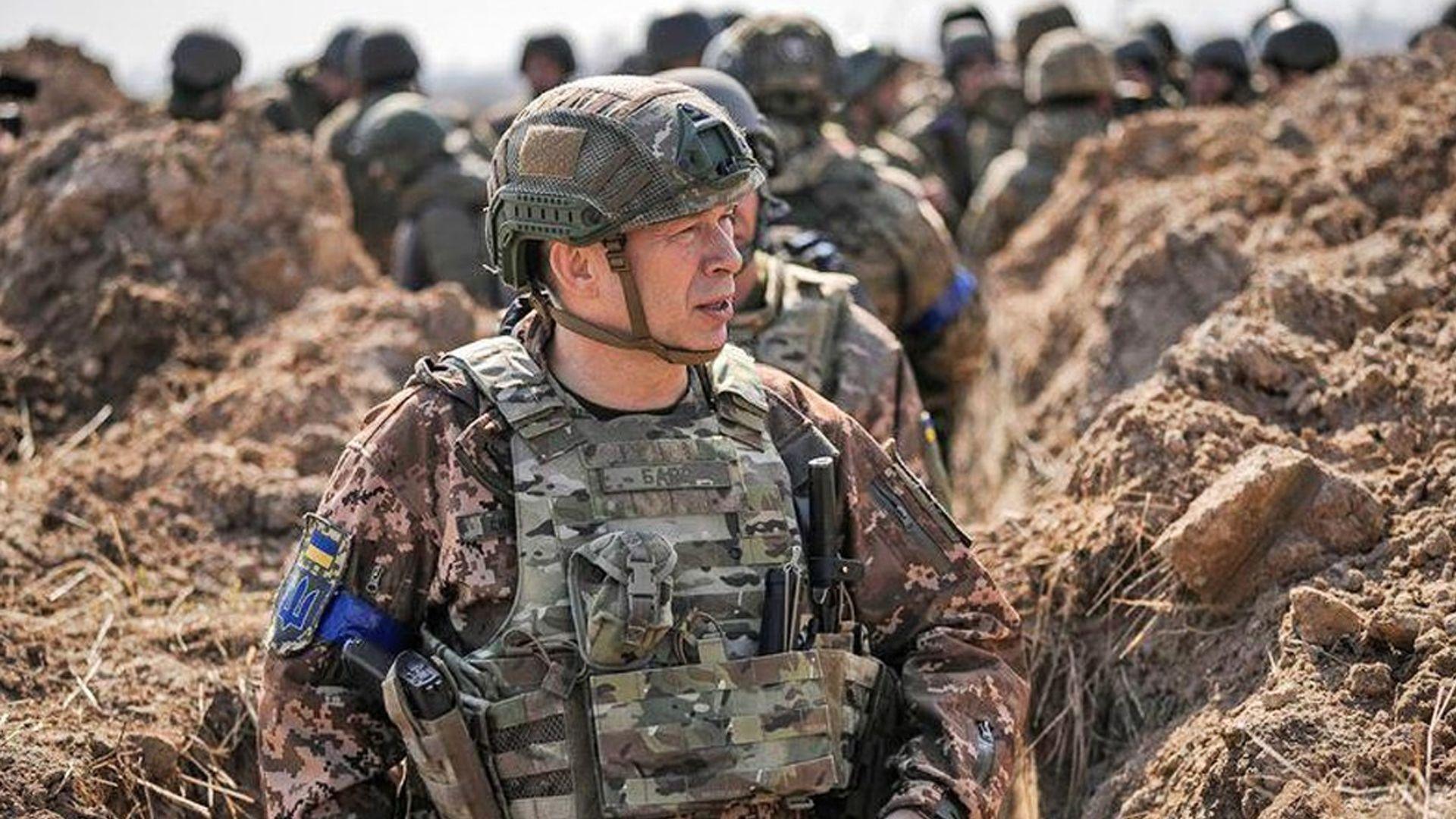
Oleksandr Syrskyi, expelled as commander‑in‑chief last summer, told the BBC that Russia’s attempts to advance have been halted by heavy casualties and Ukrainian technological gains. He disputes critics who branded him “old‑school” and argues that Ukraine’s drone and AI upgrades have turned the tide, with drones now accounting for 80% of Russian losses. Syrskyi credits a 2024 Kursk incursion and a strategy of hitting weak points for stabilising the front line, which has seen Russia capture only 61 sq km in the first half of 2026. The former general also blames Ukraine’s defence minister for supply misallocation and warns European allies to prepare for further escalation. The interview reflects a deeper debate about leadership, technology and strategy in the ongoing clash.
In an exclusive interview with the BBC, former Ukrainian commander‑in‑chief Oleksandr Syrskyi declared that Russia’s ability to launch offensives has been broken, blaming heavy casualties and technological gaps for the stalled front line.
Syrskyi, who was forced out of his post in the summer after a public clash with Defence Minister Mykhailo Fedorov, disputed critics calling him “old‑school.” He argued that Ukraine’s adoption of drones and AI‑driven systems has turned the tide, with drones now responsible for 80 % of Russian losses.
He cited a 2024 Kursk incursion that disrupted Russian supply lines, as well as a strategy of striking weak points and containing advances elsewhere to stabilise the front. Russia has gained only 61 sq km in the first half of 2026, a figure Syrskyi said shows the front has settled.
Syrskyi also blamed Fedorov for supply biases that prioritised drones over ground kit, causing shortages of vehicles and artillery. The former commander warned that Russia’s 4‑million‑man mobilisation and superior artillery give it a nine‑to‑one edge in firepower, yet Ukraine’s tech upgrades keep the balance.
He urged European allies to drop doubts about Russian territorial ambitions and prepare for further escalation, stressing that while human crews remain decisive on the battlefield, AI‑enhanced weapons will shape future conflicts.