In brief
As Ecuador grapples with a historic drought affecting its rivers and reservoirs, the country faces blackouts lasting up to 14 hours. Once seen as a solution to energy needs, hydropower is now under threat, illuminating a potential global crisis.
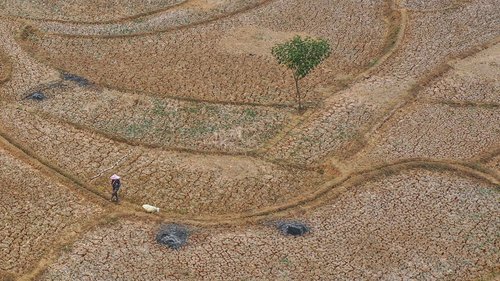
Ecuador, a country heavily reliant on hydroelectric power, is experiencing a devastating drought that is crippling its energy supply. A decade ago, the nation started a transition towards harnessing its abundant rivers to meet energy demands and stimulate economic growth. However, this ambition now seems unfeasible as climate change exacerbates an ongoing dry spell that threatens the very rivers that once promised prosperity.Recent reports indicate that since September, Ecuadorians have been enduring daily energy cuts, with power outages lasting up to 14 hours. The situation is dire: extensive blackouts have left highways and neighborhoods in darkness, disrupted water supply, and severed communication services, leaving citizens bewildered and frustrated. Economic impacts are severe, with estimates showing the country is losing approximately $12 million in productivity and sales for every hour of power interruption.Parents like Gabriela Jijón, who runs an ice cream shop in Quito, express feelings of despair, asserting, “My country is adrift.” Many Ecuadorians now rely on makeshift solutions to carry on with their daily lives; children struggle to complete homework without electricity. Six-year-old Jacobo Flórez, for instance, resorted to climbing onto a kitchen table to utilize the family's lone battery-powered lamp for his studies.As these developments unfold, experts warn that Ecuador’s plight may be a precursor to a larger issue faced by other nations similarly dependent on hydropower in a world grappling with increasingly unpredictable climate patterns. The urgency for alternative energy solutions is growing as dependence on an unsustainable water source becomes increasingly precarious.