In brief
The federal government declared a 30‑day state of emergency in Khyber Pakhtunkhwa, shutting schools and restricting internet access as it moves the army into the province. Officials claim the move is a safeguard against terrorism, alleging a PTI‑government collaboration with extremists – accusations yet unverified. The crackdown follows weeks of support rallies that culminated in tear‑gas clashes, while many PTI leaders hide from authorities. Analysts warn that the emergency could deepen public anger, tilt the balance in favor of the military, and risk provoking a repeat of past political turmoil. With regional militancy on the rise, the decision may ultimately backfire, sparking broader unrest.
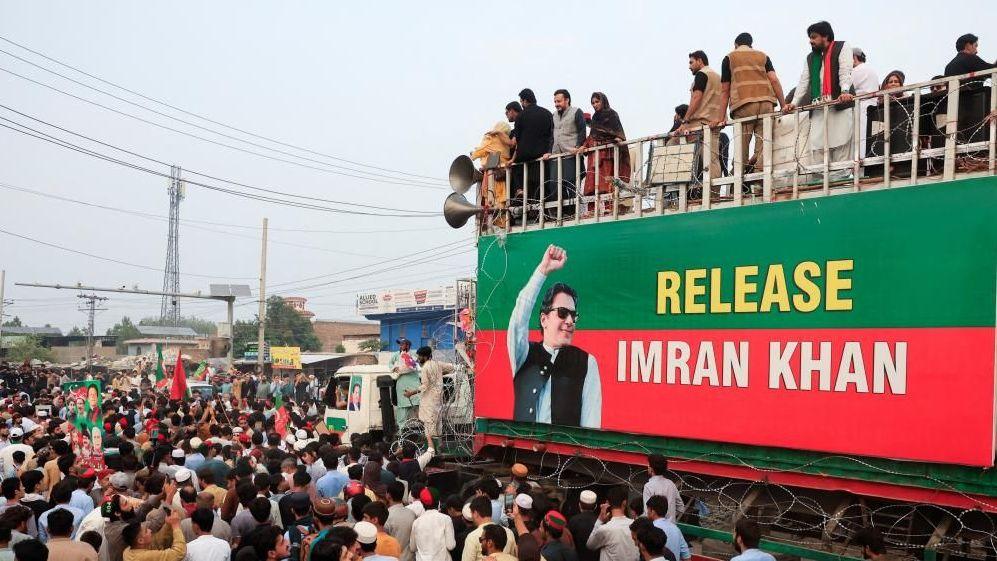
The Pakistani federal government announced a 30‑day state of emergency in the province that has been Imran Khan’s political stronghold, shutting schools, restricting the internet and blocking roads with shipping containers as the army moved into town.
Officials say the move is a “necessary safeguard against terrorism,” claiming the PTI provincial administration was “hand in glove” with extremist groups – an allegation yet to be substantiated and provoking further turmoil.
Khan’s supporters have staged lengthy marches across the province, culminating in tear‑gas exchanges in Bara, while many PTI leaders have gone into hiding, sparking fears that the emergency could deepen public anger and regional instability.
Political analysts warn that the escalation may once again tilt the balance in favour of Pakistan’s military establishment and risk a repeat of past coups, while critics demand more transparent evidence linking the government to terrorism.
With militancy on the rise in Pakistan and tensions with neighbours, any further crackdowns could worsen the already fragile security environment, according to experts who fear a “back‑fire” effect that could trigger broader unrest.