In brief
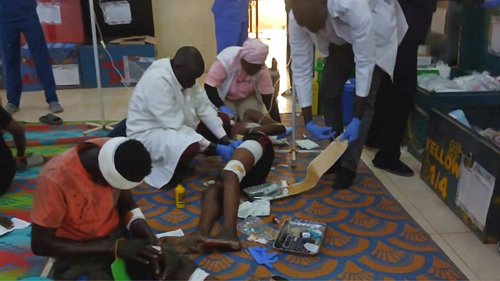
The Sudanese civil war continues to escalate, forcing countless refugees to flee to Chad, where they seek urgent medical treatment. Victims share harrowing stories of airstrikes that transform their hometowns into lethal zones and decimate family lives. Nonprofit organizations like Doctors Without Borders step in to provide critical assistance as conflict persists unabated.
In a grim scene unfolding in Darfur, airstrikes executed by the Sudanese military are becoming increasingly lethal, forcing many refugees, including families, to abandon their homes for safer grounds. Ten-year-old Isah Abdallah Fadul and her family are among those fleeing violence, arriving at a Doctors Without Borders clinic after Isah sustained injuries from an airstrike last year.The airstrikes are reportedly attempts by the military to combat the advancing paramilitary Rapid Support Forces (R.S.F.), which have both been implicated in war crimes as the conflict escalates. The U.N. reports highlight that nearly 20,000 civilians have lost their lives due to the ongoing conflict, while more than 12 million individuals have been displaced, exacerbating the humanitarian crisis in the region.Refugees describe harrowing experiences of fleeing. Kubrah Abdullah Dawood, a 25-year-old mother, recounted the moment she lost her brother to a drone strike. She expressed her constant fear of planes and the chaos following R.S.F. assaults. With increasing military airstrikes accompanying R.S.F. movements through Darfur, humanitarian organizations are scrambling to adapt and scale their services.As aid groups like Doctors Without Borders expand their presence in border regions of Chad to cope with the rising number of refugee arrivals, the situation remains tenuous. Stories from survivors reveal a disturbing pattern; airstrikes often follow R.S.F. attacks. An incident in March resulted in the death of over 54 people in a small village, drawing accusations of war crimes against the military, which they have vehemently denied.An urgent call for international assistance resonates as the situation continues to deteriorate. For those who managed to cross into Chad, the immediate priority remains medical attention and safety, amid ongoing threats to their lives and dignity from both sides of the conflict.