In brief
A growing wave of public protest against data‑centres has pushed US lawmakers into the spotlight, forcing them to craft new rules amid a heated mid‑term election. A senior adviser to a prominent senator now holds regular briefings on the issue, while land‑owners and business leaders argue the developments will bring jobs and energy. The debate has become a bipartisan “sleeper” issue, with both parties scrambling to win over anxious voters in states across the country.
A year ago, a senior US senator was barely aware of data‑centres. Today, a confidential adviser says the senator now meets with staff weekly to chart the chain reaction of these sprawling warehouses, and to draft legislation aimed at curbing their rapid spread.”
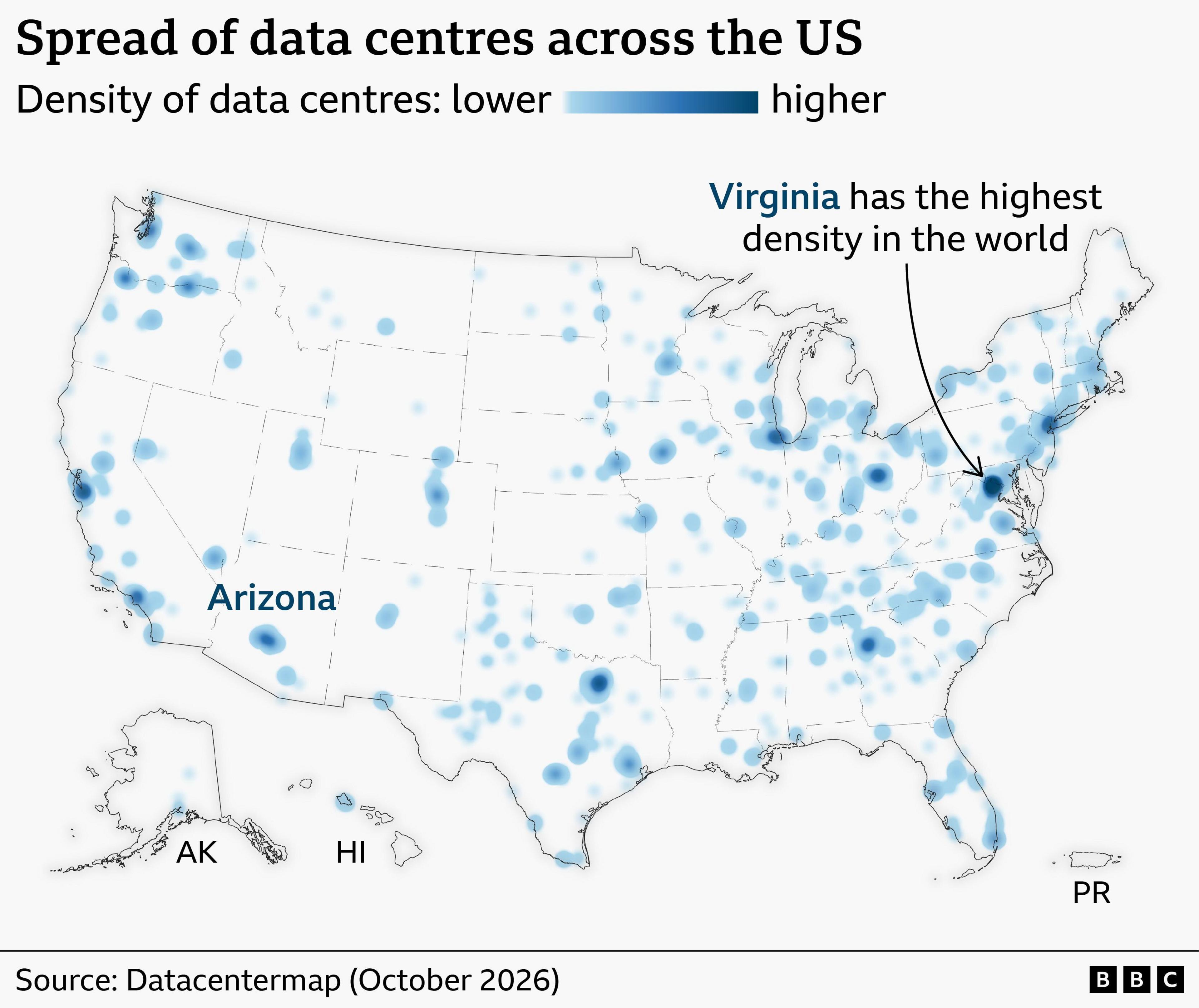
Data‑centres, the giant rows of computer racks that power the internet and AI, have sparking anger in communities as big or small as Indiana, Arizona and Texas. Angelita Soriano, a resident in an Indiana suburb, told reporters she does not want her neighbourhood to become a “guinea‑pig” when a new Amazon plant will take a square mile of land and host 782 diesel generators.
There are roughly 3,000 data‑centres operating in the US today, and Pew Research projects the number could double in the next few years. Because the facilities are built under local permits, federal lawmakers have limited control, yet the backlash has become so fierce that both Democrats and Republicans are forced to position themselves on the issue.
Trump has branded the protest a “sick conspiracy” and called those stopping the sites “backwards and poor.” The attack on data‑centres offers Democrats a way to lobigate and capture votes from disaffected voters, while Republicans must now temper their long‑time pro‑business stance. A new memo from the National Republican Senatorial Committee urges GOP officials to reframe the narrative before the election season.
States have reacted in varied ways. Arizona’s governor halted new tax breaks for data‑centres, while Texas’s former governor, who once boasted of the state as the AI epicentre, has started to cite safety and qualityof life concerns. The political chessboard is already being played out by candidates who either pledge to end “sweetheart deals” for tech giants or promise to keep local communities in decision‑making control.
Legislative responses, such as moratoria on new data‑centres, are largely temporary—usually set for one to three years—raising the question of whether the backlash will still be strong when the time expires. For now, communities across the country are telling lawmakers that their voices count, and that the growing footprint of data‑centres could become a decisive factor in the 2026 mid‑term election.