In brief
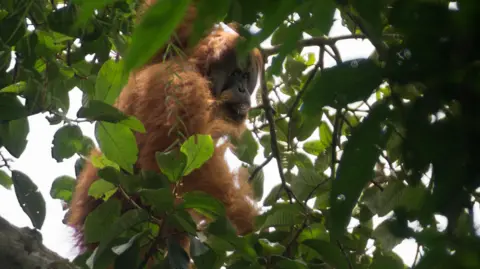
Following the destruction caused by Cyclone Senyar in late November, conservationists are alarmed by the significant absence of the critically endangered Tapanuli orangutans in North Sumatra. With fewer than 800 individuals remaining, the possibility of their extinction looms larger due to floods and landslides that have obliterated their forest habitat, leaving evidence of tragedy in the form of dead orangutans. The plight of these unique primates highlights the dire consequences of extreme weather events exacerbated by climate change.
In the mountainous forests of Batang Toru in North Sumatra, a chilling silence has raised concerns among wildlife experts regarding the fate of the Tapanuli orangutans, the world's rarest ape species. Since Cyclone Senyar struck on November 25, reports indicate that these critically endangered primates have not been spotted, with conservationists fearing they may have been lost to the devastating impacts of floods and landslides.
The absence of the orangutans is compounded by the grim discovery of a carcass believed to be one of them, discovered semi-buried in the debris in Pulo Pakkat village. Deckey Chandra, a humanitarian worker in the area, recounted finding the body, stating, 'When I first saw it I was not sure what it was, because it was kind of defaced, perhaps because it was buried underneath by the sludge and logs.' This grim finding raises distressing questions about the survival of the orangutan population.
With fewer than 800 Tapanuli orangutans left in the wild, conservationists warn of significant repercussions for the species if losses are confirmed. The recent cyclone has claimed over 900 lives and left hundreds missing, with extensive damage to numerous villages in Sumatra. Experts believe as much as 7,200 hectares of forest may have been destroyed, critically affecting wildlife in the region.
Panut Hadisiswoyo, founder of the Orangutan Information Centre, emphasized that the carcass suggests some Tapanuli orangutans might not have been able to escape the torrent, reinforcing fears of their decline. Renowned conservation biologist Professor Erik Meijaard noted the massive impact the lost forests will have on the already dwindling population, reflecting on the horrifying conditions that likely awaited the apes during the storm.
The combined devastation of Cyclone Senyar has impacted other critically endangered species in Sumatra, prompting urgent calls for immediate conservation efforts to restore habitats and protect beleaguered populations such as the Tapanuli orangutan.