China's Covert Operations: Spying on Expats in the U.S.
The glass-paned office building perched above a ramen store in the heart of Manhattan's Chinatown looked inconspicuous on a busy block of Chinese restaurants, grocery stores and apartments.
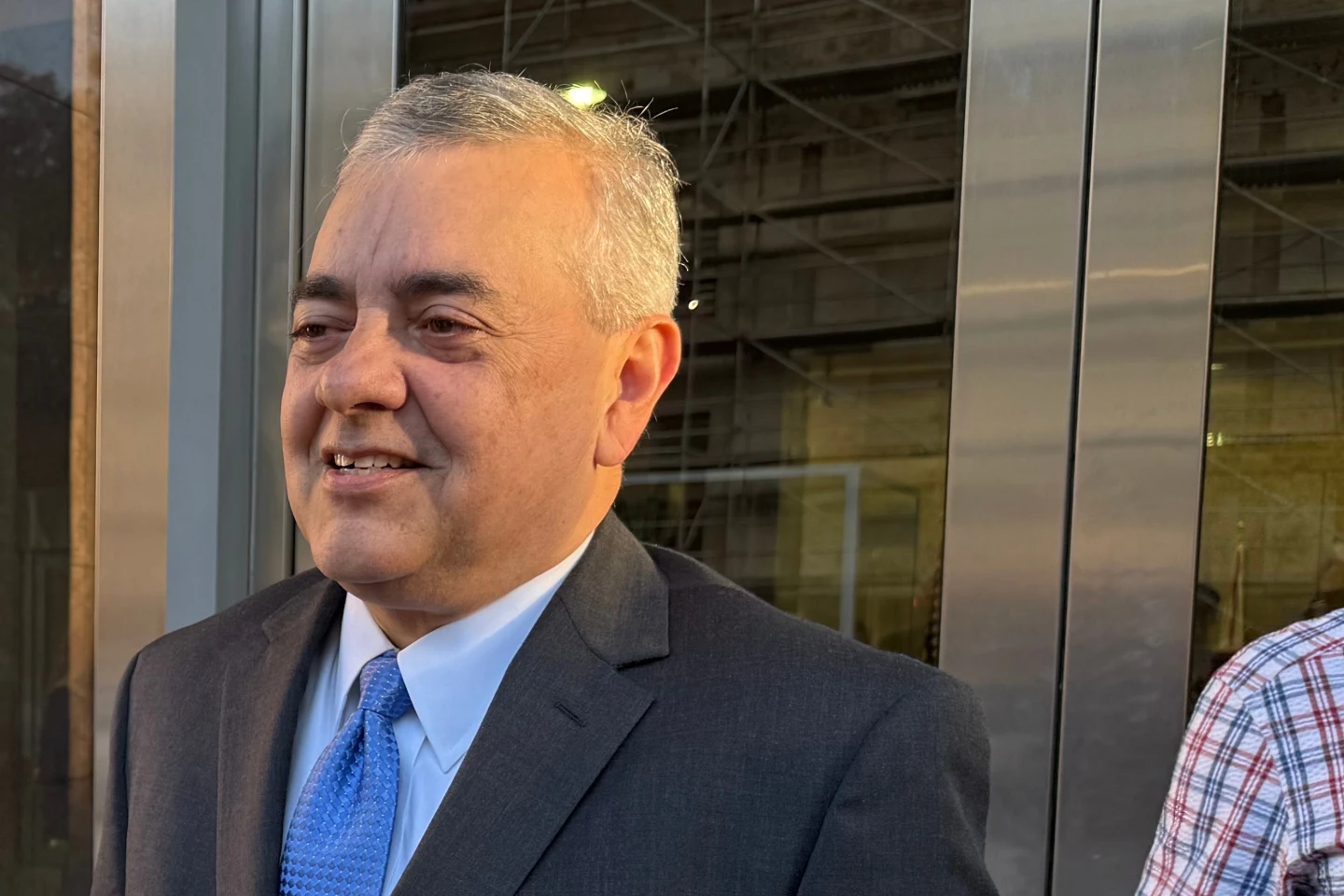
In 2022, Lu Jianwang, the 64-year-old president of a Chinese community group, set up shop on one of the floors, creating a space where his attorneys said he planned to help expats renew their driver's licenses and play ping pong on a table in a conference room.
But it was not long before the Federal Bureau of Investigation raided the space, and accused Lu of taking orders from the Chinese government to establish the first known overseas police station in the US.
This week, he was found guilty of acting as an unauthorized foreign agent for China, just days after a California politician pleaded guilty to similar offences.
Arcadia Mayor Eileen Wang admitted she posted propaganda on a website targeting the Chinese American community at the behest of the Chinese government.
These two recent convictions highlight the long-arm of the People’s Republic of China (PRC), which has ramped up its efforts to exert influence globally over the past decade through both soft power and more covert means.
Experts suggest that such operations are part of China's strategy to suppress dissent and control narratives about its actions abroad. Lu could face up to 30 years in prison for his involvement, as authorities push back against what they view as espionage.
China’s campaign of surveilling dissidents abroad aligns with its broader espionage objectives, which include hacking and stealing sensitive information.
These events pose legal challenges for US prosecutors as they navigate the complexities of espionage cases and the extensive resources required to address these global issues effectively. The rise in such activities signals a troubling trend, necessitating ongoing vigilance and response from US intelligence and law enforcement.