In brief
A recent British Medical Journal study reports that between 2016 and 2021, up to one in a very small number of dead NFL players—almost 100%—had chronic traumatic encephalopathy (CTE) or a related brain disease. The researchers examined 878 former players, 235 of whom donated brains; 215 were found to carry CTE. The findings indicate a higher prevalence than earlier community studies and spotlight the cumulative hits at college, high school and youth levels that raise risk. The NFL urged stronger prevention measures and highlighted existing resources for former players. The study underscores the urgent need for safer play and long‑term care for athletes.
As many as 97.7% of NFL players who died between 2016 and 2021 could have had brain disease related to repeated blows to the head, a new study says.
Researchers examined 878 former players who died in that period, including 235 who donated their brains for research.
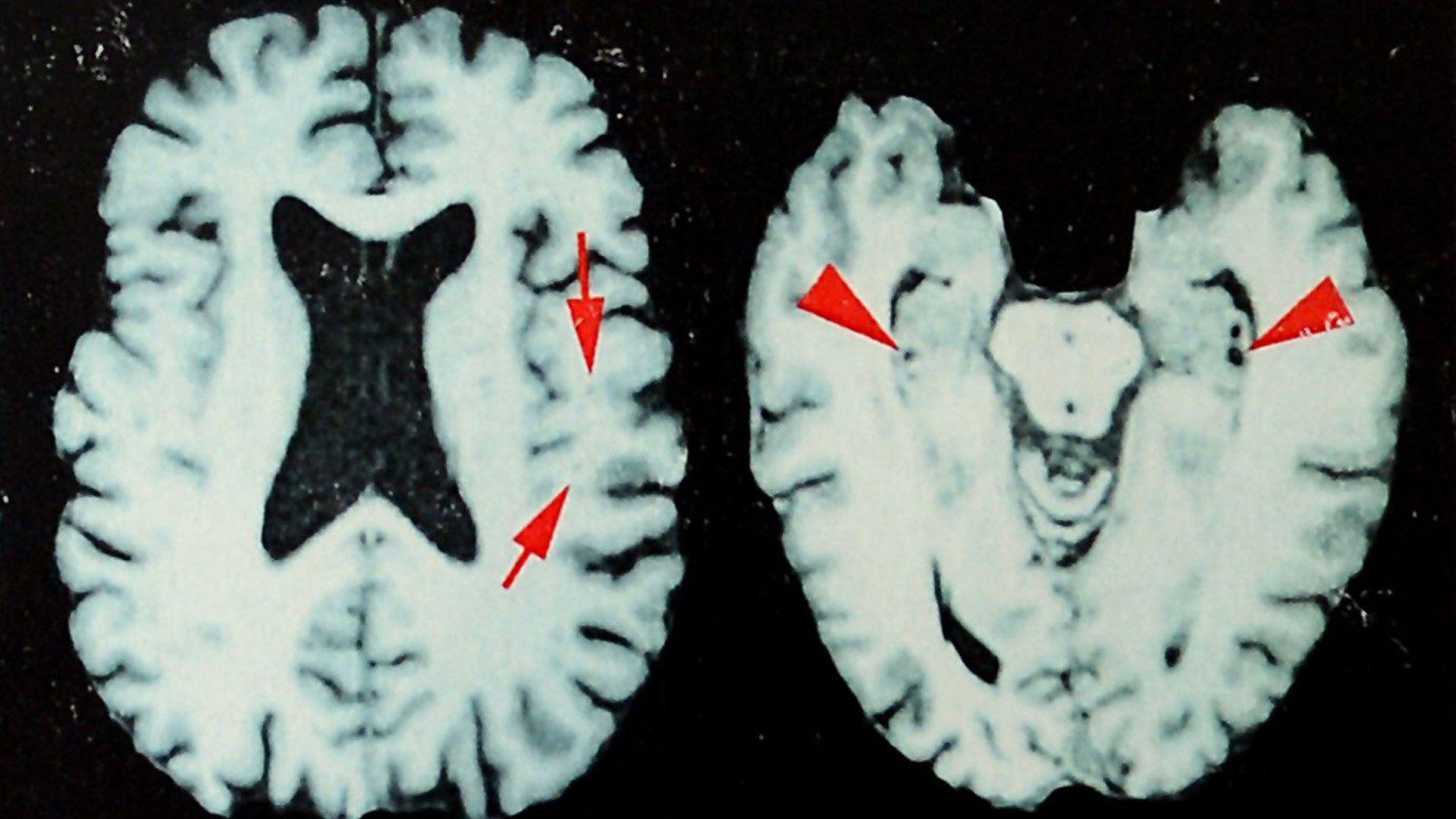
Of those donors, 215 had chronic traumatic encephalopathy (CTE), a degenerative brain disease that can only be diagnosed after death.
The paper, published in the British Medical Journal, also found dementia common among brain donors.
"We and others have shown that in NFL players there is about a four‑times higher rate of death from neurodegenerative disease than the general population," lead author Daniel Daneshvar, associate professor at Harvard Medical School, said.
Daneshvar added that these findings indicate NFL players have a higher prevalence of CTE at death than earlier community studies suggested.
The study estimated a "conservative minimum" CTE prevalence of 24.5% and a "maximum" of 97.7% among those who died during the six‑year period.
They urged the NFL to adopt measures that reduce repetitive head impacts across all levels of the sport.
"The bulk of the head impacts that these former NFL players experienced didn't occur at the NFL level," Daneshvar said. "They occurred at the collegiate level and at the high school level and in many cases the youth level. And all of those cumulative hits added up to an increased risk."
An NFL spokesperson said the league "continually strives to make football safer" by implementing concussion‑reducing strategies and promoting access to resources that support physical and mental well‑being for former players.
The issue of CTE among American football players has escalated in recent years, prompting changes such as a 2011 Collective Bargaining Agreement that limited contact practices. After a class‑action lawsuit, the NFL agreed in 2016 to a $1 billion settlement with more than 5,000 former players.