In brief
In Bayonne, a French court confirmed that exposure to cosmic radiation—alongside smoking and prolonged night work—played a role in the breast cancer of former Air France stewardess Sophie Lainault. The ruling, the first of its kind in France, allows Lainault to receive full medical reimbursement under the national health system. It also opens the possibility for other flight crew members to claim occupational disease status. A recent Harvard Medical School study highlighted similar high radiation-related cancer risks among flight crew, reinforcing the court’s decision. Air France emphasises the importance of staff health, stating it stays beyond regulatory minimums.
French court links cosmic radiation to flight attendant’s breast cancer
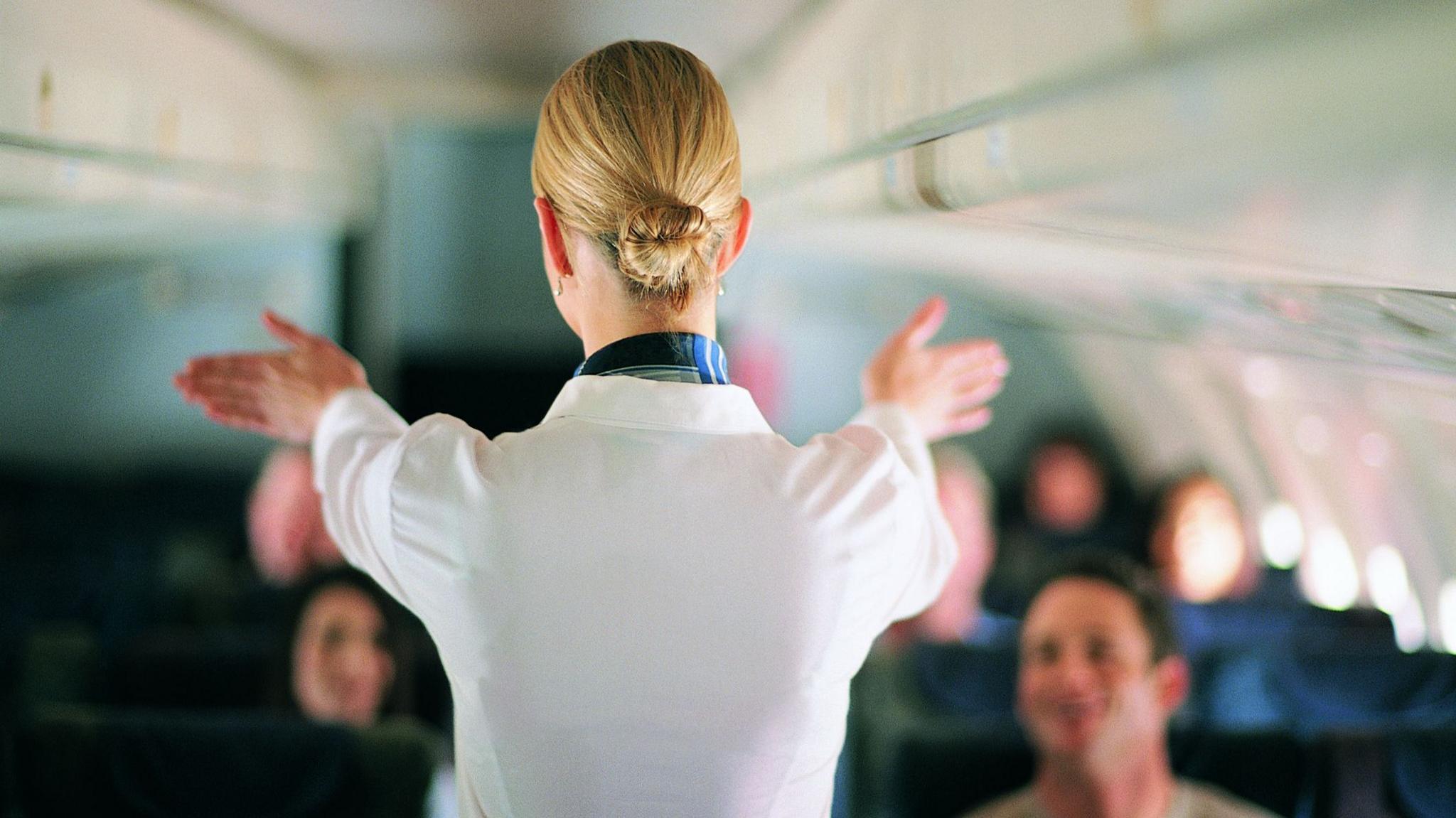
In Bayonne, a French tribunal first authorised cosmic radiation as a recognised occupational hazard causing breast cancer in 59‑year‑old former Air France stewardess Sophie Lainault. The court said the disease stemmed from three occupational factors: cosmic radiation, passive smoking on flights until 2000, and long periods of night work.
Lainault’s diagnosis in 2019 and subsequent remission have prompted the decision, which now grants her full reimbursement for future treatments and early retirement under the national health system. By treating breast cancer as an occupational disease for airline crews, the ruling also paves the way for other crew members seeking compensation.
After 30 years of service and 12,600 flight hours—almost half at night—Lainault flew routes that regularly passed over the North Pole, where exposure to solar and cosmic particles is most intense.
A Harvard Medical School study released in early 2024 showed flight attendants and pilots had the highest radiation‑related cancer death rates among 500 professions, with 6.9 % of deaths among flight attendants and 6.7 % among pilots attributable to radiation. This is higher than even nuclear technologists, who are exposed to non‑cosmic radiation but ranked 12th. James Smith, professor of environmental science at the University of Portsmouth, explained that low doses still pose a small cancer risk, especially for high‑altitude crews.
Air France stated it was not involved in Lainault’s legal case. “The health and safety of our staff is an absolute imperative,” it said, adding that every employee has medical support that surpasses regulatory minimums.