In brief
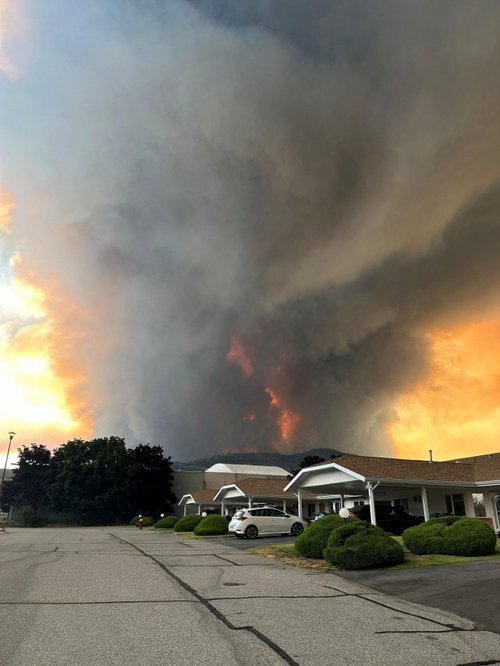
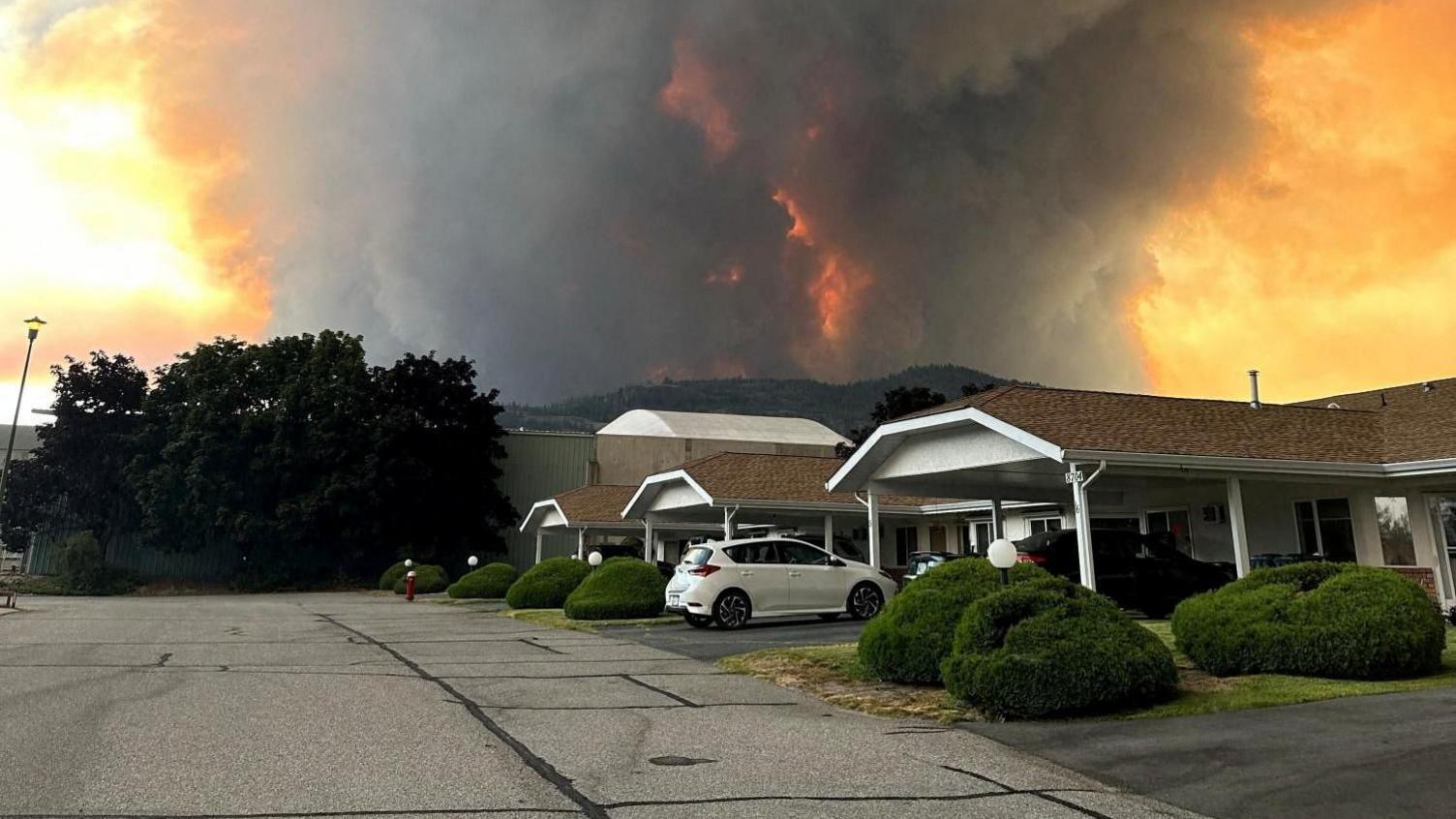
The Bald Range wildfire that erupted in British Columbia’s Okanagan on Friday has burned an area of 53 square miles, prompting a widespread evacuation order that covers more than 12,000 residents. Residents such as Earl Kurz have described the devastation as “total incinerated destruction” as ash blanket the burnt landscape. The fire’s rapid spread, intensified by years of drought and unusually hot temperatures, has left families scrambling to determine whether their homes survived the emergency, with some like Keegan Radomski still unsure when they can return to assess damage. The incident is a stark reminder of how climate change has rendered Canada’s historic wildfire cycle more severe and frequent. Authorities are working to contain the blaze, albeit still declared out of control as of early Monday, while the province declares a state of emergency.
The Bald Range wildfire in British Columbia’s Okanagan region has scorched over 53 square miles of land, forcing thousands of residents to evacuate and leaving communities questioning the state of their homes.
Earl Kurz, a 30‑year‑old resident of Peachland, recalls living in the area for three decades and watching the fire’s path. He says, “It’s total incinerated destruction. The hot spots are just barren areas of nothing except 12 inches of ash.” Kurz has never been forced to flee before, and the sight of the charred landscape has left him in shock.
More than 12,000 people in the region remain under an evacuation order, with authorities still not finalising the number of homes lost. The situation grew even more dire on Sunday when an 80‑year‑old woman died trying to escape the flames.
The Okanagan has suffered from an unprecedented drought, with Lake Okanagan’s water level at its lowest since 1992. Coupled with extreme heat, these conditions have amplified the speed and intensity of wildfires across the province and in neighbouring Washington state, where more than 65,000 people were forced to leave their homes.
The fire follows the Bradley Creek blaze that destroyed over 200 homes and is one of more than 100 current fires in British Columbia, 70 of which erupted in the last week alone. Climate scientists warn that hotter, drier weather patterns are making such fires more frequent and devastating.
Keegan Radomski, an 18‑year‑old from Summerland, shares her experience of barely escaping with her mother's ashes before the blaze broke her property’s perimeter. “We’ve had a lot of close calls before, but it’s never been like this,” she says. She is yet to confirm if her grandmother’s 30‑year‑old home survived, or when she can return to examine the damage.
As authorities continue fighting the out‑of‑control blaze, the province remains on alert, with Premier David Eby urging residents to heed evacuation orders and stay informed. The tragedy underscores the growing need for better wildfire preparedness and adaptive strategies in the face of climate change.