In brief
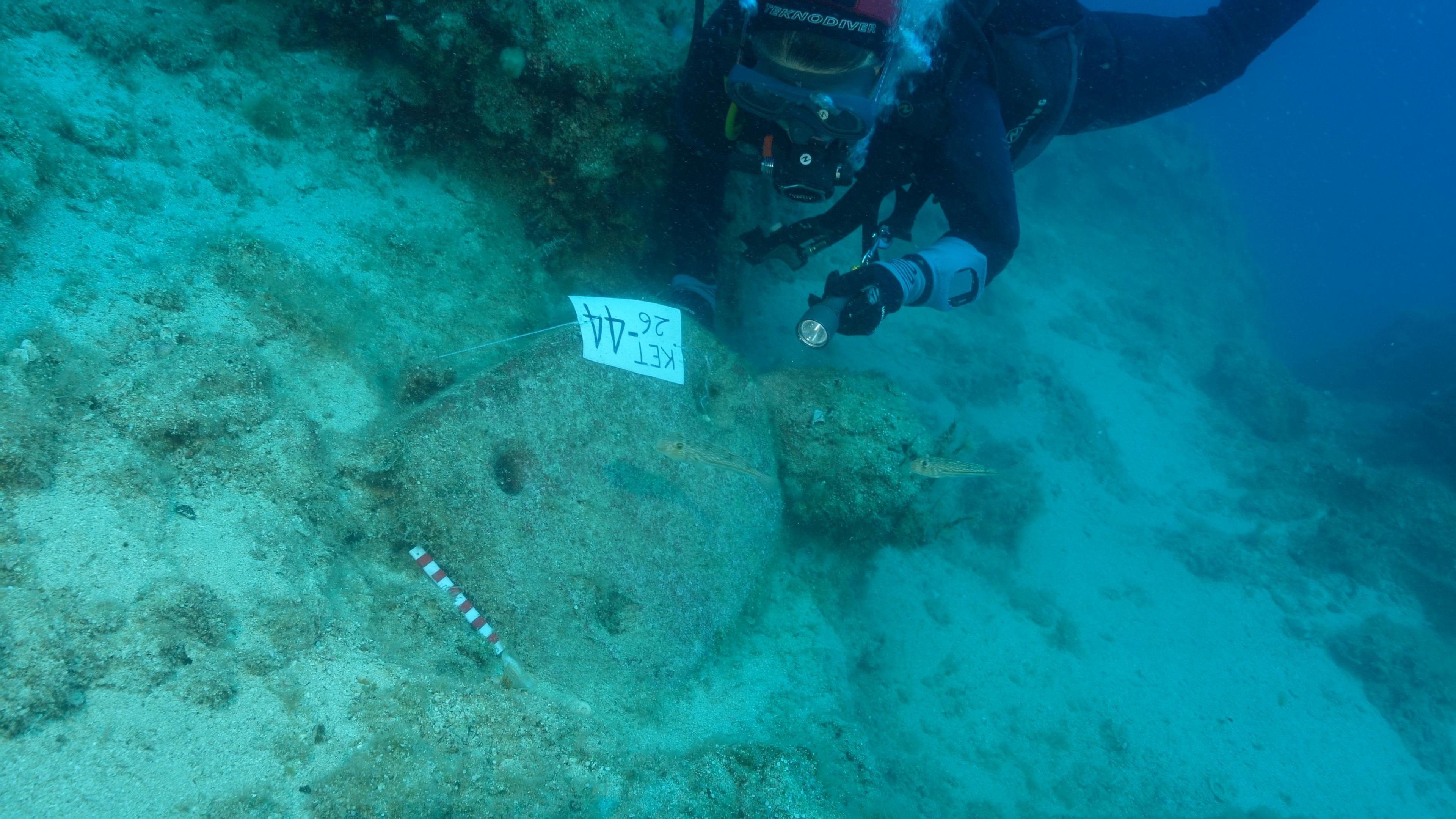
A team of archaeologists has found what may be the world’s oldest known shipwreck, a 10‑metre bone‑dry cargo vessel that sank about 4,400 to 4,700 years ago off the coast of Kekova Island in Turkey. The wreck lies 30 metres beneath the waves, where its wooden hull has long vanished, but dozens of amphorae – ceramic storage pots – lay intact, some still holding residue from their original contents. Analysing the pottery’s style and design, researchers have dated the vessel to the Early Bronze Age, a time when the Great Pyramid was being constructed. The find sheds new light on Mediterranean trade routes and has set a new benchmark for the oldest shipwreck, surpassing the Greek Dokos wreck. The recovered artefacts are slated for exhibition in a new underwater archaeology museum in Antalya.
The world’s oldest known shipwreck has been uncovered off the coast of Turkey, a breakwater that may date back to 4,400–4,700 years ago, when the Great Pyramid was rising in Egypt. An expedition led by Prof Hakan Öniz of Akdeniz University recovered the wreck, now a 10‑metre long cargo vessel that was carrying amphorae filled with an unknown substance.
Although no wooden remains survived, the amphorae’s distinctive features – two handles, a central ridge and a flat base – are hallmarks of Early Bronze‑Age pottery, allowing the team to date the wreck precisely without radiocarbon testing.
“The shipwreck is a time capsule at the bottom of the sea,” said Prof Öniz. He added that the cargo offers a snapshot of trade in a region that connected the eastern Mediterranean with the ancient city of Troy and the Minoan heartlands of Crete.
Archaeologists are now analysing the amphorae’s hidden residue. Dr Karin Sowada of Macquarie University reports that some pots still contain a glossy, viscous material, hinting at olive oil, wine or tree resins. The contents may also reveal how citizens repurposed amphorae long after they left a ship.
The discovery upgrades the record for the oldest known shipwreck, beating the previous holder off Greece’s Dokos island, which dates to about 4,200 years. The site’s unique preservation has made it a prized add‑on to the undersea museum that will open in Antalya soon.
Turkish authorities will display the ship’s cargo in a dedicated section of the new Mediterranean Underwater Archaeology Museum, offering the public a rare peek into an ancient maritime world that sank half a millennium ago.