In brief
For the fifth consecutive day, masked students and other demonstrators have taken to Tirana’s streets, confronting riot police with rocks, petrol bombs and fireworks. Police responded with water cannons, tear gas and the first reported use of rubber bullets. The protests, which began in early June over corruption and stalled EU reform plans, have intensified after Prime Minister Edi Rama demanded protestors stop and blamed foreign actors. While thousands have been arrested and dozens injured, the protests have turned the capital into a flashpoint of political unrest. Calls for a caretaker government and new elections grow louder amid investigations involving senior officials.
Demonstrators and riot police fought pitched battles in the centre of Tirana on Saturday for the fifth day in a row.
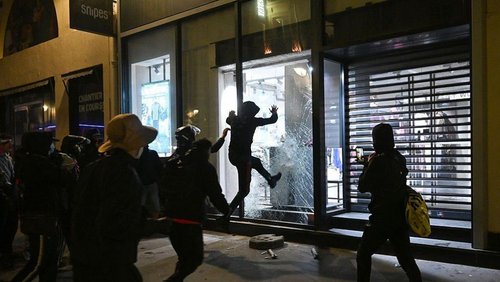
Masked protesters, many of them students, hurled rocks and petrol bombs at riot police who were trying to defend the education ministry, a focal point of the protests. The police used water cannons and volleys of tear gas, scattering crowds, and for the first time deployed rubber bullets.
Protests that began in early June have grown into a wider anti‑government movement demanding the resignation of Prime Minister Edi Rama amid corruption allegations linked to his administration.
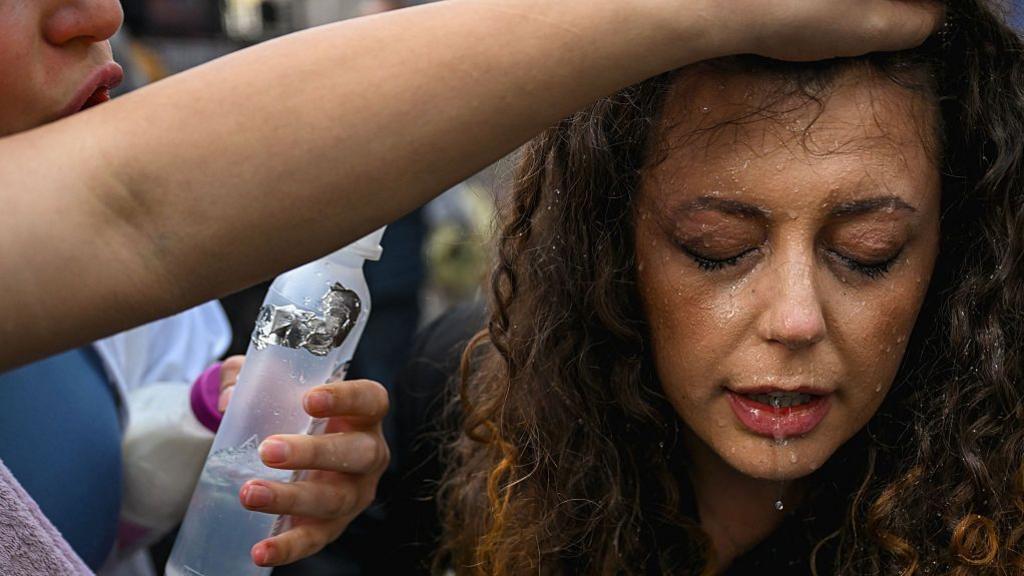
Many protesters wore gas masks or face masks, while volunteers handed out saline eyewash to soothe tear‑gas‑stained eyes. The constant boom of petrol bombs echoed across Tirana onSaturday.
In the afternoon the focus shifted to the Prime Minister’s office on the city’s main boulevard, where crowds swelled and riot police faced steamy hail of cobbles and fireworks, counter‑spraying with barrage after barrage of tear gas that frightened the crowd to the back of the streets. Incensed by the gas, the crowds waited for it to clear before renewing their attacks.
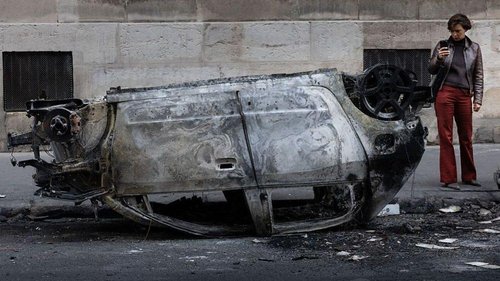
In the crumbling centre of Tirana, broken glass and burnt debris litter streets, turning the city into a quasi‑war zone. Police special forces reinforced riot police as dusk fell and hundreds more were arrested or under investigation, 80 people already charged with disorder.
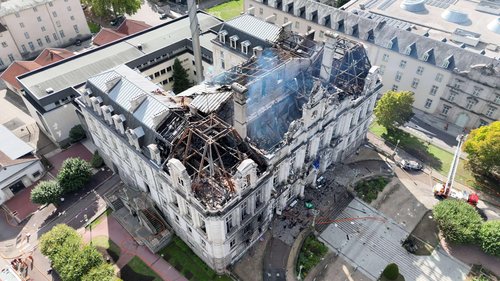
George, a 19‑year‑old medical student who works as an electrician to fund his studies, stood near the burnt‑out education ministry. Along with his goggles and a scarf wrapped around his face, he clenched two rocks intended for the police. When asked if he feared injuring police, he said:
"We have mothers too. We have families too. We were peaceful for 135 days. Now we are trying to do something like in France… we are trying to make a revolution. Our government doesn't want peace, so we are using violence."
The protests have tarnished Prime Minister Rama’s image as a charming leader steering Albania toward prosperity. Parallel to the marches, a series of investigations by the special prosecution service threaten his rule, including the arrest of secret‑service chief Vlora Hyseni in 2020 and accusations of her helping a prominent businessman and friend of Rama, Ergys Agasi, evade justice.
Rama, who has ruled Albania for 13 years, has earlier praised the country’s achievements and urged citizens not to forget them, while blaming the opposition and alleged ‘foreign actors’ intent on halting EU membership, which he forecasts by 2030. His Socialist Party holds 83 of 140 seats, and the next parliamentary elections are not due until 2029.