In brief
An Air India flight from Phuket to Delhi lost 300 feet and injured 17 people before landing safely. Both pilots were screened for psychoactive substances after the event, and a confirmatory test reportedly found THC. Investigators face the complex task of linking a positive cannabis test to the pilot’s state during flight, amid studies showing that THC’s effects fade within a few hours. The situation has reignited discussions on drug testing policies, with Canada banning cannabis use by flight crews for 28 days before duty and the U.S. National Transportation Safety Board noting that drug presence alone does not prove impairment. Air India now plans to expand its random drug testing program in the wake of the incident.
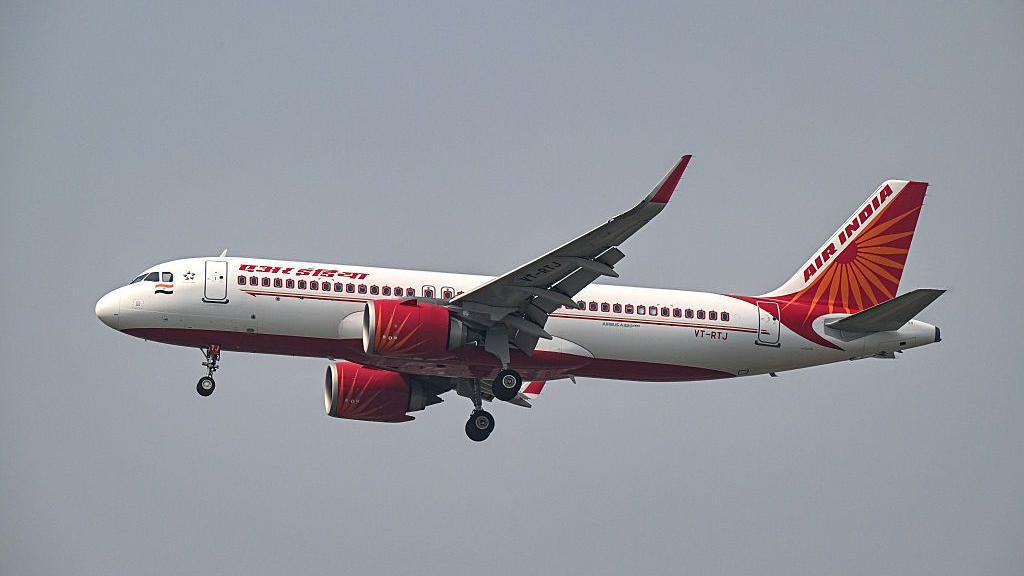
Air India’s A320 lost 300 feet over eastern India on 4 August, injuring 13 passengers and four crew members before a safe landing. The airline immediately screened both pilots for psychoactive substances, and a confirmation test reportedly detected THC in the captain’s blood.
Even if the lab result is correct, a positive cannabis test does not automatically prove that a pilot was impaired during the flight. Researchers show that THC’s peak effects last about three to five hours after smoking, and ingestion can prolong impairment to six or eight hours, but blood tests can pick up the drug for days or weeks after the last use.
Studies of pilots who smoked marijuana found measurable performance degradation up to two hours after use, with further deterioration 24 hours later. Yet most pilots were unaware that they were less capable, underlining that a positive test does not disclose the pilot’s functional state at a specific moment.
Regulators in Canada have responded with a blunt rule that prohibits flight crews from consuming cannabis for 28 days before duty, prioritising certainty over the complex science of THC metabolism. The U.S. National Transportation Safety Board reports that THC was the major driver of illicit‑drug detections, but stresses that presence does not equal impairment.
The Air India investigation must look beyond the existence of THC in the captain’s sample. Key questions include whether the test measured THC or a metabolite, the concentration level, and what these details indicate about timing and potential impairment during the flight.
Air India has announced a plan to expand random drug screening for pilots, aiming to test 10 per cent of its crew. The company’s new policy highlights the challenge of correlating drug tests with flight safety and the need for clearer guidelines that differentiate current impairment from past drug use.