In brief
Suffering a recent scare when a Phuket‑to‑Delhi flight lost altitude, Air India announced an immediate full‑pilot drug test regime. The move follows a preliminary report that the senior pilot had tested positive for marijuana and was forced to retake substance tests. The airline will now test every pilot, plus its budget arm Air India Express, to reassure passengers and stakeholders. The company’s memo stresses going beyond regulatory 10% random testing to "uphold the highest standards of safety and professionalism." This announcement comes amid earlier scrutiny after a 2025 crash of an Air India Boeing 787 that claimed 241 lives.
Air India commits to testing all pilots for banned substances
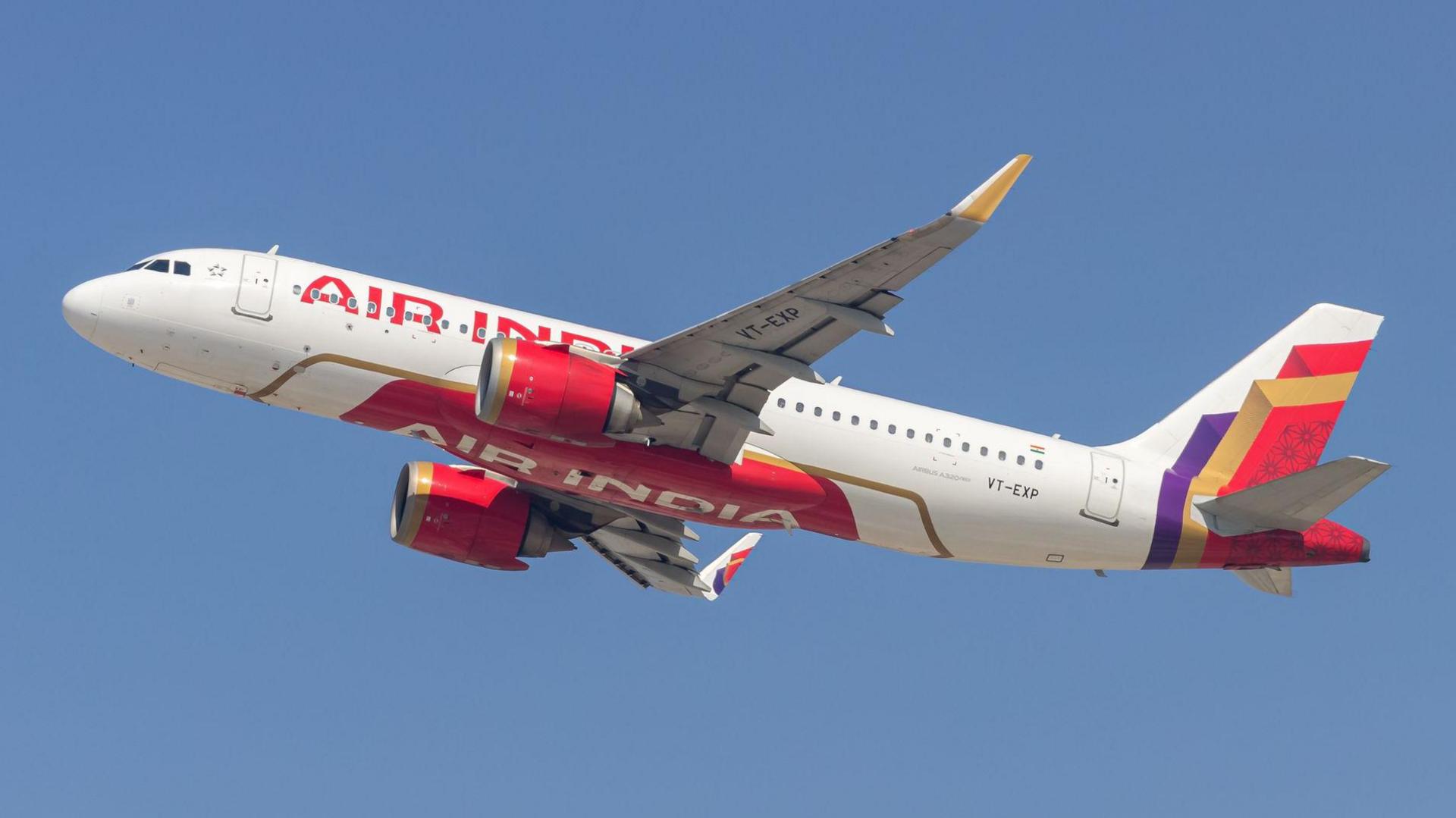
Following a Phuket‑to‑Delhi flight that abruptly lost altitude on 4 August, Air India announced that it will test every pilot on its fleet for banned substances, effective immediately.
The incident came after the senior pilot of the flight was required to retake a drug test, with reports indicating a positive result for marijuana. Thirty‑seven pilots will now undergo testing, including those at the airline’s budget arm, Air India Express, which will begin testing from Thursday.
India’s aviation authorities, Airbus, and France’s civil aviation safety agency are all investigating the incident. Seventeen passengers and crew were injured when the aircraft lost about 91 metres (300 feet) right after departure. The pilots are currently suspended pending a full investigation.
In a memo seen by the BBC, Air India stressed that it is "important to go further" and that the new testing scheme surpasses regulatory requirements. "This initiative, which goes beyond regulatory requirements, reflects our determination to uphold the highest standards of safety and professionalism, and to provide reassurance to our passengers, stakeholders and the community at large," the memo read.
The airline’s decision follows additional scrutiny after a June 2025 crash of an Air India Boeing 787 from Ahmedabad to London that killed 241 people on board and 19 on the ground, with only one survivor.
The new testing includes banned substances and prohibited medications, conducted in conjunction with training sessions at Air India’s academy and other locations. The tests are performed alongside briefing centres and offices across the network.
The policy change comes under the leadership of new Chief Executive Officer, former Ethiopian Airlines boss Tewolde Gebremariam, who took the helm last week.
Air India’s move is aimed at restoring confidence among passengers and stakeholders amid ongoing safety concerns and regulatory scrutiny.