In brief
After facing personal hardships, Jevona Anderson abandoned her college dreams, a situation shared by 38 million stopouts in the U.S. However, new scholarships and state initiatives are making it easier for these students to return and finish their education.
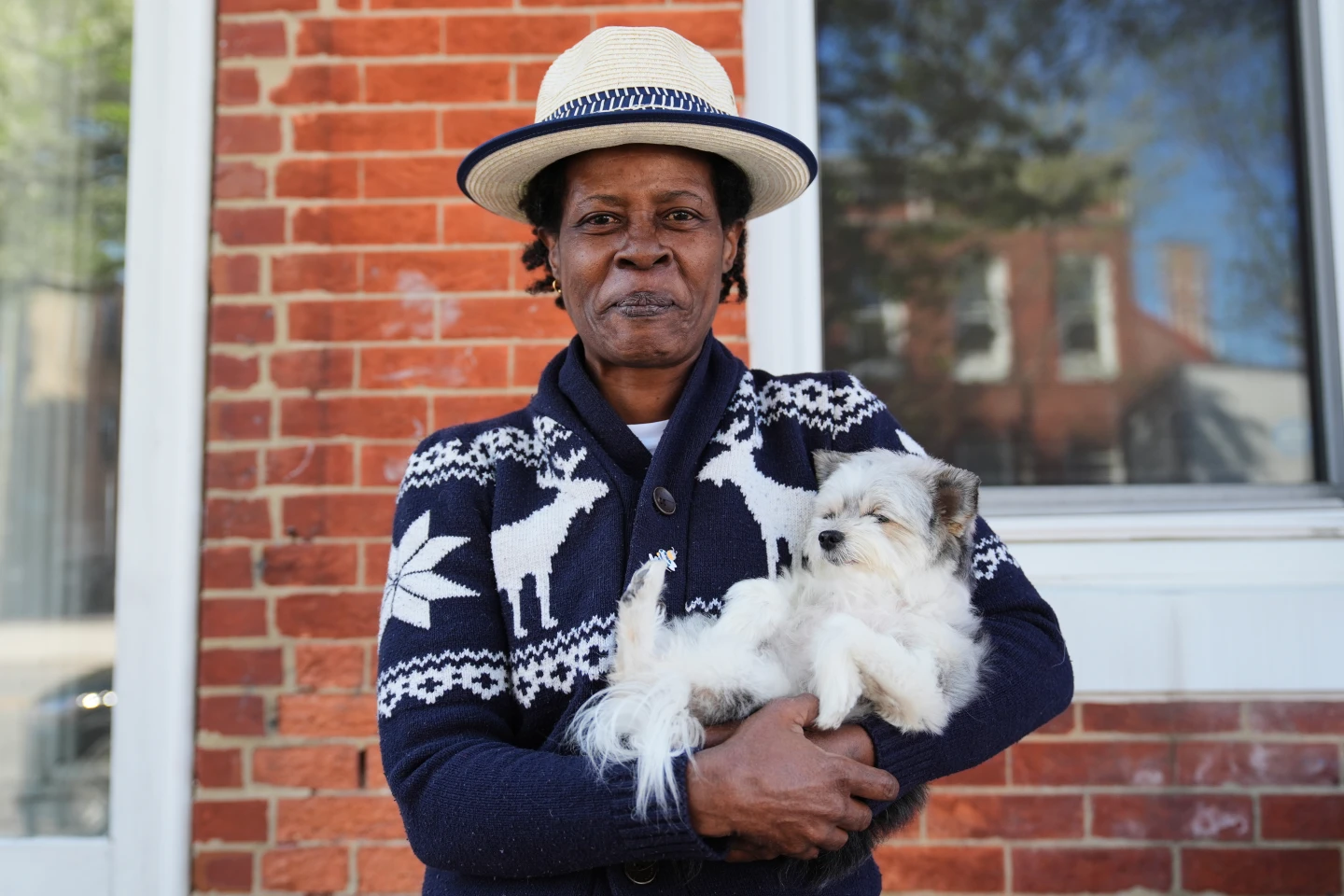
WASHINGTON (RTW News) — The journey of educational pursuit can be fraught with challenges, as illustrated by the story of Jevona Anderson. After enduring family tragedies and an eviction that left her homeless, the then-59-year-old faced failing grades and overwhelming stress as she approached her college graduation. By 2025, after several interruptions, she joined a growing number of students—known as 'stopouts'—who leave college without earning their degrees. This group encompasses approximately 38 million working-age adults across the U.S.
The term 'stopout' refers to students who initially leave their colleges with the intent to return but often do not. They face various barriers, including financial difficulties, family responsibilities, and health issues. While many individuals plan to resume their studies, recent trends show a slight increase in universities' efforts to reintegrate students back into academic life. For instance, in the 2023-2024 school year, the number of former students re-enrolling surpassed one million, marking a 7% uptick from the previous year.
For Anderson, the turning point came in the form of a scholarship that alleviated her financial burdens, enabling her to reenroll at the University of Baltimore. It was essential to get back on track, as I want to share my love for the environment with young minds and be a teacher, Anderson expressed. This sentiment resonates widely, as many, like her, grapple with the difficulties of balancing education and personal responsibilities.
Research indicates that common barriers such as unpaid fees or confusing administrative processes can derail a student’s academic journey. Nina Diggs-Pindell, another Baltimore student, highlighted how parental duties and work schedules can hinder academic progress. Life is always changing. Everybody is going through something, she remarked.
Despite challenges, state-sponsored programs and scholarships have become vital in aiding students who wish to resume their education. For example, California and Maryland have initiated scholarship programs to encourage the reenrollment of students who had previously exited higher education. Such initiatives significantly increase the likelihood of students returning to complete their degrees.
As states collaborate with organizations like ReUp, a systematic approach to support stopouts is gaining traction. This includes tailored communication, encouragement through social media outreach, and navigating academic logistics, ultimately demonstrating that higher education can still hold great potential even for those who have faced setbacks.
Jevona Anderson, now 60, is on her way to completing her degree and is focused on her aspiration to be an impactful teacher, driven by her passion for environmental sustainability and education. I am determined to graduate this spring, come what may, she stated emphatically.