In brief
In the wake of Charlie Kirk's assassination, some believe his death might lead to increased participation in evangelical and Catholic churches among the youth. Figures like Vice President JD Vance and Cardinal Timothy Dolan have dubbed Kirk a modern-day martyr. However, despite immediate attendance spikes in some congregations, experts caution that historical patterns show civic trauma does not usually lead to lasting religious revival.
In a surprising turn of events following the death of conservative activist Charlie Kirk on September 10, influential voices within Christianity have begun to call for a revival among young conservatives. Vice President JD Vance referred to Kirk as 'a martyr for Christianity', and Cardinal Timothy Dolan likened him to 'a modern-day St. Paul'. Supporters hope Kirk's assassination will galvanize the youth to engage more deeply with evangelical and Catholic churches.
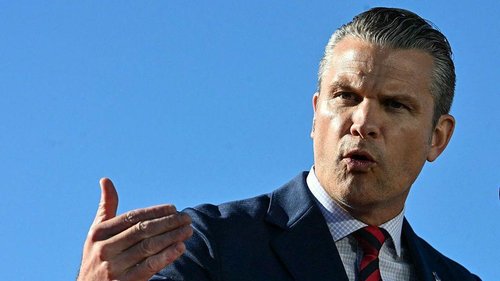
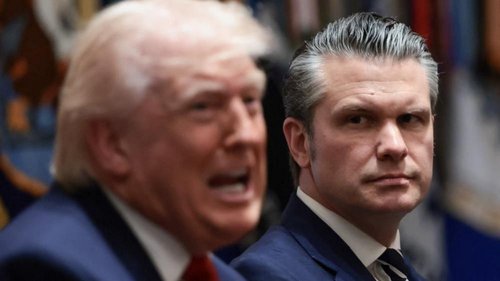
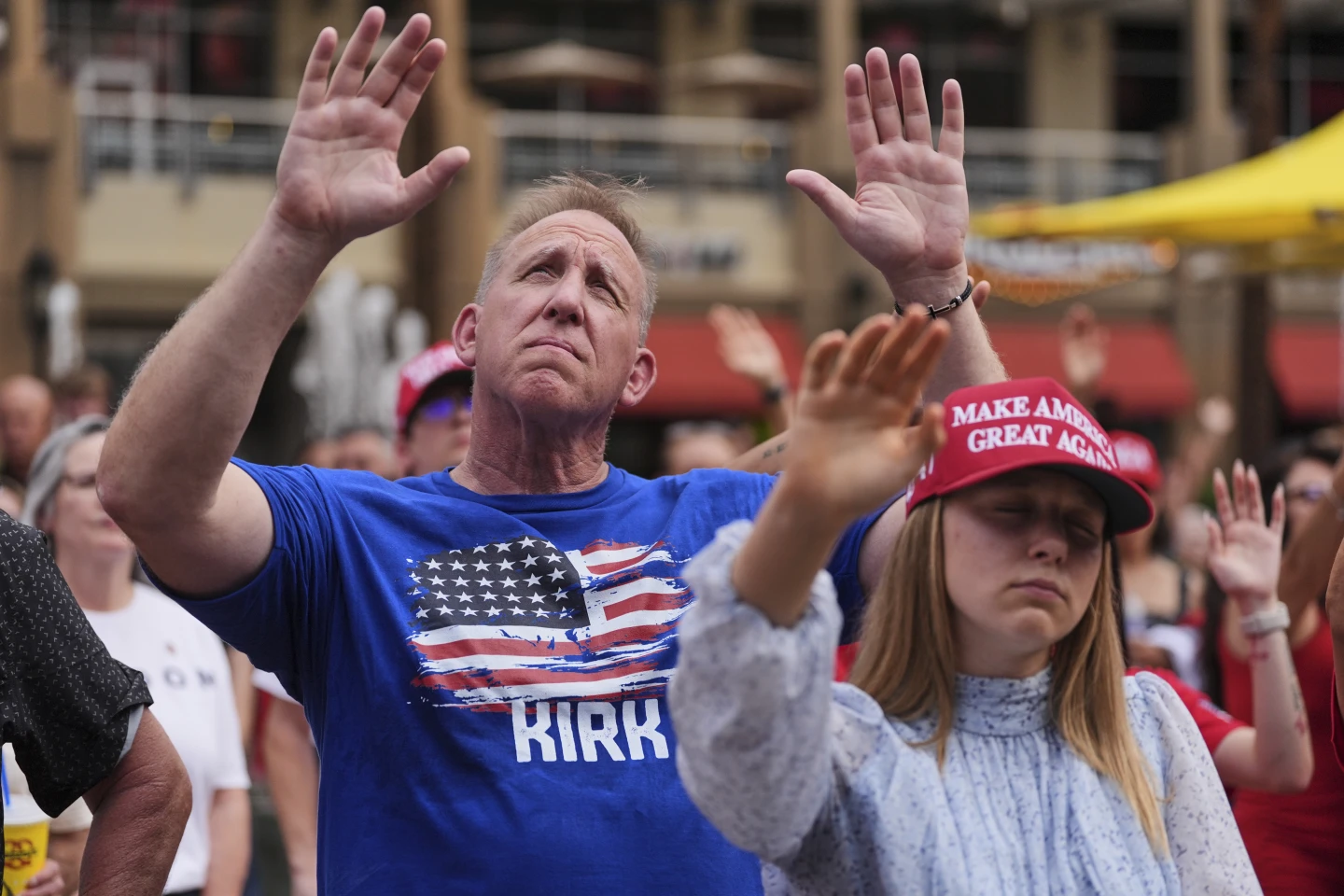
The sentiment of a spiritual resurgence became evident during a memorial service that resembled a megachurch gathering, drawing considerable attendance to various Christian congregations. Key figures like Defense Secretary Pete Hegseth emphasized Kirk's impact on starting a political movement that could lead to greater spiritual engagement.
Rev. Robert Jeffress noted the profound emotional response to Kirk's demise, equating it to the national grief experienced after 9/11. Some churches have reportedly experienced a surge in attendance, with individual congregations witnessing increases of up to 30% immediately following the news of Kirk's assassination.
Assessing the Potential for Lasting Change
While there are signs of increased engagement, experts caution that historical data does not support the idea of a sustained religious revival following civic trauma. Ryan Burge, a political scientist and pastor, pointed out that attendance after 9/11 and during the pandemic did not lead to lasting increases. The challenge remains whether the current emotions can translate into ongoing participation in church life.
Communities React
Some congregations are reporting new faces among their worshippers. Gina Gleason from Calvary Chapel Chino Hills noted an uptick in attendance, particularly among youth, who feel drawn to Kirk's messages that intertwined political issues with Gospel teachings. Similarly, lead pastor Mark Francey remarked that tragedy often prompts individuals, including those who typically do not attend services, to confront existential matters.
Contrasting Views from the Religious Community
Despite the enthusiasm from some supporters, others within the Catholic Church have expressed criticism regarding the narrative of Kirk's legacy, emphasizing the divisive impact of his rhetoric. David Gibson from Fordham University highlighted that while there are calls for a revival, the data suggest otherwise, potentially indicating an increase in conservative alignment within Christianity rather than a genuine revival.
The polarized responses to Kirk's death prompt larger discussions about the future of American Christianity and its political leanings. Pastor Frederick Brown warned that while immediate effects may seem positive, they might not have enduring significance, particularly among younger generations.