In brief
Iran, despite its vast natural gas and crude oil reserves, is now grappling with a severe energy crisis, exacerbated by sanctions, poor infrastructure, and mismanagement. Government operations are curtailed, and many industries have stopped working, with President Masoud Pezeshkian acknowledging the crisis's seriousness in a recent address.
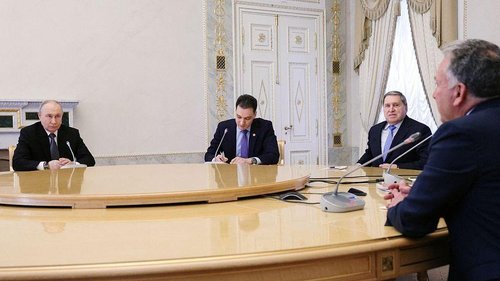
Government offices in Iran are closed or operating at reduced hours. Schools and colleges have moved to online formats, while highways and shopping malls are plunged into darkness. Industrial facilities are facing power shortages, leading to a significant halt in manufacturing.Despite possessing some of the world's richest natural gas and crude oil resources, Iran finds itself in a major energy crisis caused by persistent sanctions, systemic mismanagement, deteriorating infrastructure, reckless consumption, and targeted attacks, particularly from Israel. President Pezeshkian expressed concern during a live televised speech, stating, "We are facing very dire imbalances in gas, electricity, energy, water, money, and environment," warning these issues could lead to a larger crisis.The ongoing challenges with infrastructure have compounded over years, and Pezeshkian emphasized that the situation has reached a critical juncture. Most of last week saw socio-economic paralysis as the country tried to conserve energy. Ordinary citizens have expressed their frustration, while industrial leaders report losses in the tens of billions of dollars.In facing public discontent and urgent industrial calls for action, President Pezeshkian offered little in way of immediate solutions, instead issuing an apology to the Iranian people. "We must apologize to the people that we are in a situation where they have to bear the brunt," he said. "God willing, next year we will try for this not to happen." As Iran continues to navigate this burgeoning crisis, the ramifications on daily life and the economy grow increasingly profound.