In brief
As the geopolitical climate shifts, the Baltic states are pushing forward with the Rail Baltica project to enhance transportation and security connections with Europe. The project, initially a symbol of ambition, has become a vital strategic imperative in the wake of Russian aggression, despite rising costs and delays.
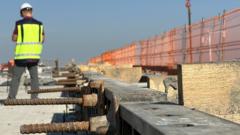
In light of escalating security threats, the Baltic states are forging ahead with their Rail Baltica project, a high-speed railway designed to stretch 870 kilometers (540 miles) across Estonia, Latvia, and Lithuania. Originally envisioned to showcase connectivity and modern transportation, the initiative has transformed into a crucial strategic asset since Russia's invasion of Ukraine, prompting concerns over defense and security.Currently, the Baltics lack a direct railway link to Poland, which Rail Baltica aims to remedy. The project promises to significantly reduce travel times and enhance economic and environmental benefits, but the financial burden is growing. "Rail Baltica is of utmost importance," declared Estonia's Infrastructure Minister Vladimir Svet, reflecting the urgency of the situation. "Putin's aggressive regime is a menace to our security."The shadows of Soviet history loom large in the Baltic region, where memories of occupation linger. Estonia and Latvia border Russia directly, while Lithuania is near the Russian exclave of Kaliningrad. With approximately 10,000 NATO troops stationed in the Baltics, their presence may swell to 200,000 in the event of a major crisis, underscoring the urgency for improved transport infrastructure.“Rail Baltica will enhance military mobility,” commented Cmdr. Peter Nielsen from NATO's Force Integration Unit. The implications for both civilian and military travel are significant, with projections for train speeds reaching 250 km/h (155 mph)—a drastic increase from the current speeds.In Tallinn, construction is active, where workers are busy developing the new Ülemiste passenger terminal, which is to serve as a key juncture in the railway network. Rail Baltica will also transition away from the Soviet-era railway track width to align with European standards, enabling smoother connections throughout the continent. Salomets, CEO of Rail Baltica Estonia, explained that this switch will not only speed up train travel but could cut the journey time from Tallinn to Vilnius from 12 hours to under four.However, concerns over rising project costs have surfaced, with estimates ballooning from €6bn to €24bn since 2017. The European Union has been a crucial financial backer, covering approximately 85% of the costs, but worries grow over uncertainties in funding for the next phase, particularly with figures fluctuating due to recent global crises like the COVID-19 pandemic and economic inflation.The Baltic nations are adapting their approach to the project, opting to split Rail Baltica into two phases to manage expenditures more effectively. The first phase, projected at €15bn, aims to complete essential connections by 2030, focusing on the most critical train stops. With time and maintenance costs spiraling, the future of Rail Baltica hangs in balance. Officials urge that without proper funding and a commitment to see the project through, achieving the substantial economic and strategic benefits envisioned may slip out of reach. The Baltic states hold onto the hope that a stronger EU and NATO alliance will underpin their security and facilitate the completion of Rail Baltica.