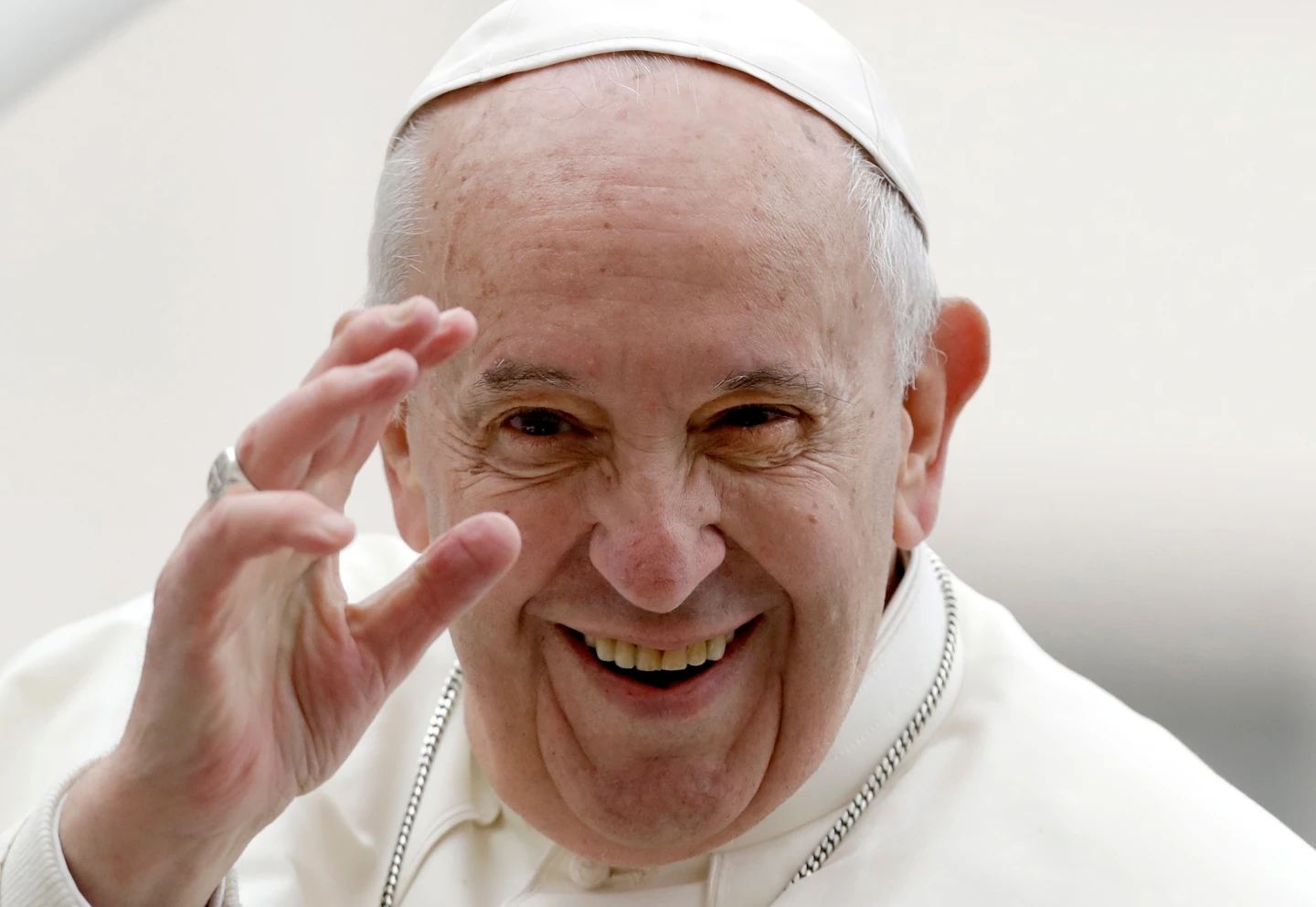
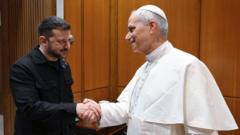
When Cardinal Jorge Mario Bergoglio was elected as the 266th pope of the Roman Catholic Church on March 13, 2013, the significance of his selection as Pope Francis sent ripples through the global community. Not only did he become the first South American to occupy the papal seat, but he also made history as the first non-European pope in over 1,200 years and the first Jesuit pope.
His election was a startling testament to the changing demographics of Catholicism, as the cardinals acknowledged that the Church's future lay increasingly in the global south, which is home to the majority of the world’s Catholics. Francis, who was 76 at the time and well-known for his down-to-earth persona and commitment to social justice, took on the mantle during a turbulent period in the church's history.
Hailing from a modest background as the son of Italian immigrants, he had a reputation for advocating for the marginalized and leading a simple lifestyle in Buenos Aires. Pope Francis inherited a Church grappling with a myriad of challenges, including a significant shortage of priests, the rising influence of evangelical communities particularly in the Southern Hemisphere, and an ongoing sexual abuse crisis that had tarnished the Church's moral standing in the Western world.
The conclave that led to Francis' election had followed extensive deliberations among the cardinals, who were deeply attuned to the pressing issues facing the Church and the characteristics they believed were vital for a leader. “The election of the pope differs substantially from a political election,” remarked Cardinal Christoph Schönborn of Vienna during the conclave, emphasizing that the pope's role transcends that of a chief executive; he is fundamentally the spiritual leader of a diverse and multifaceted community of believers.
With a blend of hope and challenges ahead, Pope Francis' election set the stage for a transformative papacy, guiding the Catholic Church into a new era.