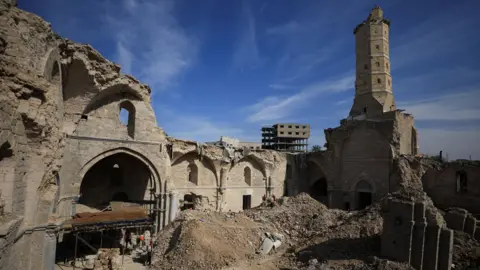
The international community’s frustration over the ongoing conflict in Gaza has reached new heights as the U.S. allies expressed concerns regarding Israel's military strategy. In a joint statement released Monday, the trio stated, "We have always supported Israel’s right to defend itself against terrorism, but this escalation is wholly disproportionate." They explicitly demanded an end to the military offensive and the lifting of restrictions on humanitarian aid.
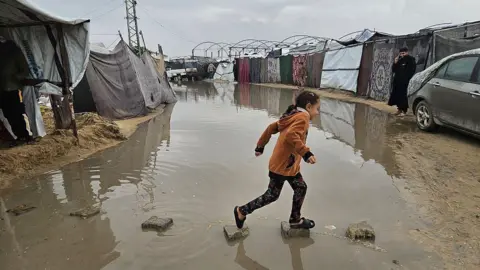
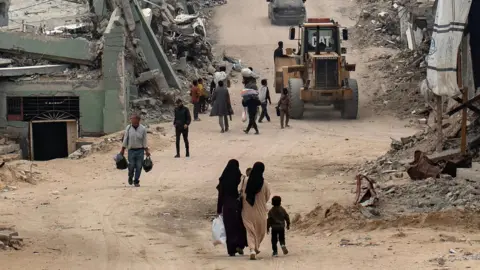
Despite Israel’s acknowledgment of some humanitarian aid shipments being permitted into Gaza over the weekend, critics argue that the meager amounts fall far short of meeting the urgent needs of a beleaguered population facing potential famine. The ongoing conflict, now more than 19 months old, has failed to subdue Hamas, with the group reportedly reinforcing its troop strength and continuing its insurgency.
Netanyahu has rebuffed the criticism, asserting that it emboldens Hamas and undermines Israel's fight against what he describes as "barbarism." He emphasized Israel's commitment to its defensive actions, warning of a major escalation unless Hamas ceases hostilities and complies with surrender demands. The moves by Israel and the strong response from Western allies signal a potentially pivotal point in the fraught dynamics of the Middle East conflict.
In a broader context, the upcoming actions anticipated from Britain, France, and Canada, should Israel disregard their ultimatum, remain undisclosed. It has been reported that the Netherlands and others are urging the European Union to reassess its ties with Israel, potentially putting further pressure on the Israeli government regarding its approach to the humanitarian crisis in Gaza. The French foreign minister has suggested a review of Israel's compliance with human rights standards as part of its association agreement with the EU.
As diplomatic tensions rise, advocates for Palestinian rights and humanitarian aid continue to push for an end to what they describe as a "deathtrap" for civilians in Gaza, highlighting the urgent need for a viable solution to the ongoing conflict.
Despite Israel’s acknowledgment of some humanitarian aid shipments being permitted into Gaza over the weekend, critics argue that the meager amounts fall far short of meeting the urgent needs of a beleaguered population facing potential famine. The ongoing conflict, now more than 19 months old, has failed to subdue Hamas, with the group reportedly reinforcing its troop strength and continuing its insurgency.
Netanyahu has rebuffed the criticism, asserting that it emboldens Hamas and undermines Israel's fight against what he describes as "barbarism." He emphasized Israel's commitment to its defensive actions, warning of a major escalation unless Hamas ceases hostilities and complies with surrender demands. The moves by Israel and the strong response from Western allies signal a potentially pivotal point in the fraught dynamics of the Middle East conflict.
In a broader context, the upcoming actions anticipated from Britain, France, and Canada, should Israel disregard their ultimatum, remain undisclosed. It has been reported that the Netherlands and others are urging the European Union to reassess its ties with Israel, potentially putting further pressure on the Israeli government regarding its approach to the humanitarian crisis in Gaza. The French foreign minister has suggested a review of Israel's compliance with human rights standards as part of its association agreement with the EU.
As diplomatic tensions rise, advocates for Palestinian rights and humanitarian aid continue to push for an end to what they describe as a "deathtrap" for civilians in Gaza, highlighting the urgent need for a viable solution to the ongoing conflict.