In light of the escalating conflict with Israel, Iran’s Supreme Leader, Ayatollah Ali Khamenei, has taken extraordinary measures to secure the future of the Islamic Republic. Concerned about possible assassination attempts, Khamenei has opted to communicate primarily through a trusted aide, minimizing electronic communication to better shield himself. This strategy illustrates both the danger he faces and the lengths he is willing to go to maintain control.
Reports indicate that Khamenei has appointed several replacements within his military command to prevent a leadership vacuum should those in high ranks be targeted and killed. In an unprecedented step, he has also identified three senior clerics as potential successors to his own position, showcasing the urgency of leadership continuity as his nearly thirty-year reign becomes increasingly tenuous.
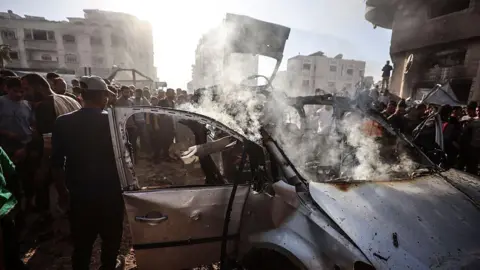
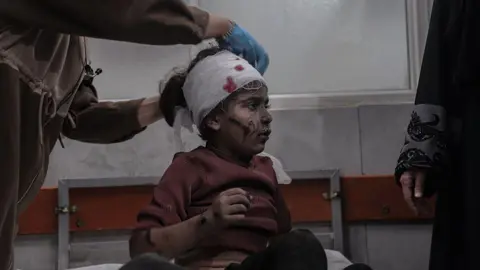
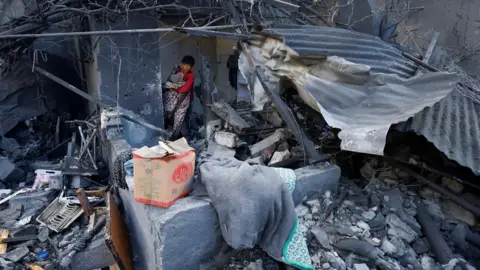
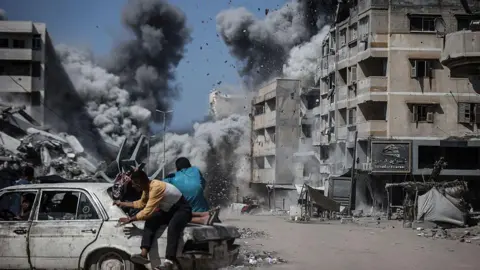
These developments come following a series of unprecedented Israeli attacks launched last week, marking the most intense military engagement with Iran since the Iran-Iraq war of the 1980s. The impact of these strikes on Tehran has been profound, reportedly surpassing the damages caused by former Iraqi President Saddam Hussein during his lengthy war against Iran.
Despite the initial shock from these attacks, Iranian forces have begun coordinating daily counterstrikes against Israeli targets. Retaliatory actions have included assaults on various locations such as hospitals, the Haifa oil refinery, and significant religious sites, with the Iranian military demonstrating its capability to respond swiftly to the increased threat from Israel.