In brief
The decision has ignited a debate over free speech and the responsibilities of social media, as Meta navigates new policies amid changing political landscapes.
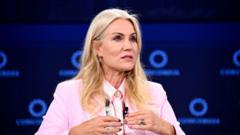
In a recent statement, Helle Thorning-Schmidt, co-chair of Meta's oversight board, voiced her apprehensions regarding the company’s choice to eliminate fact-checkers from Facebook and Instagram. She highlighted that this decision could have significant repercussions for minority groups, particularly the LGBTQ+ community and individuals advocating for gender and transgender rights. Speaking during an interview on BBC Radio 4's Today programme, she stated that while she appreciates some components of the new strategy, there are "huge problems," especially concerning hate speech and its potential to inflict real harm.Meta's CEO, Mark Zuckerberg, announced that the overhaul is designed to prioritize free expression and alleviate alleged political biases from third-party fact-checkers that he claims lead to undue censorship. However, Thorning-Schmidt highlighted the importance of oversight now more than ever, given the sensitivity surrounding the community and the potential for increased hate speech in the absence of moderation.The timing of Meta’s decision has prompted speculation about a possible alignment with the incoming Trump administration and a competitive response to Elon Musk’s platform X, previously known as Twitter. Technology journalist Kara Swisher criticized Zuckerberg's latest move as a self-serving strategy, suggesting it is an effort to cater to Trump's political base and regain influence in social media.In contrast, advocates for free speech, including the U.S.-based group Fire, commended the new direction, asserting it reflects a marketplace of ideas free from top-down censorship. Yet, the fallout from such changes may be severe, as numerous brands reconsider their advertising strategies in light of rising hate speech concerns.Zuckerberg acknowledged the inherent risks in his approach, admitting that while fewer harmful posts might be flagged, the chances of incorrectly banning innocent accounts also increases. The unresolved dilemma of brand safety looms large, as experts warn that Meta, despite its financial clout, may face challenges in maintaining advertiser trust alongside fierce competition in the ever-evolving social media landscape.