In brief
The report, emphasizing the need for swift reforms, comes as Trudeau's recent announcement of his impending departure casts uncertainty on future electoral security measures.
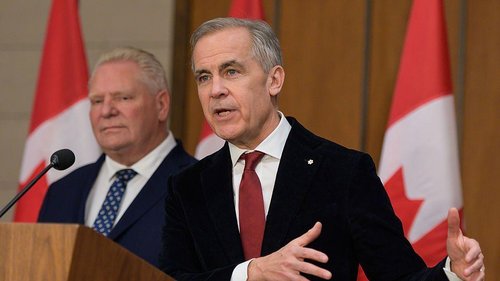
The government of Prime Minister Justin Trudeau is facing backlash following a newly released commission report that states it was "insufficiently transparent" in addressing foreign interference in Canadian elections. The report, which concluded an 18-month investigation, cites slow reactions to foreign meddling in the country’s last two general elections, primarily attributed to powers from China and India. The commission's findings declare that "Trust in Canada’s democratic institutions has been shaken, and it is imperative to restore it." Report lead, Justice Marie-Josée Hogue, underscored the urgency of the situation by stating that the government’s current efforts to regain this trust have been "piecemeal and underwhelming." The final document includes 51 recommendations designed to fortify Canada's electoral processes. These suggestions range from imposing stricter regulations on political party financing to establishing enhanced intelligence-sharing protocols, particularly concerning disinformation during election campaigns. Justice Hogue pointed out that approximately half of these recommendations should be acted upon without delay, ideally prior to the upcoming election. In light of this report, the Trudeau government has yet to formulate a comprehensive response. Recent developments enclosing Trudeau’s decision to resign as Liberal Party leader and prime minister further complicate the execution of these reforms. Experts predict that with a leadership transition occurring by early March, followed closely by a potential general election, the implementation of the commission’s recommendations may be difficult to actualize in time.