In brief
The National Hurricane Center reports that Hurricane Gabrielle has strengthened to a Category 3 storm, situated 195 miles southeast of Bermuda. Forecasters predict it will move north at 10 mph, avoiding direct impacts on land. Swells from the storm are affecting the East Coast of the U.S., posing potential dangers. Meanwhile, Tropical Storm Narda off the coast of Mexico is expected to become a hurricane soon but poses no threat to land.
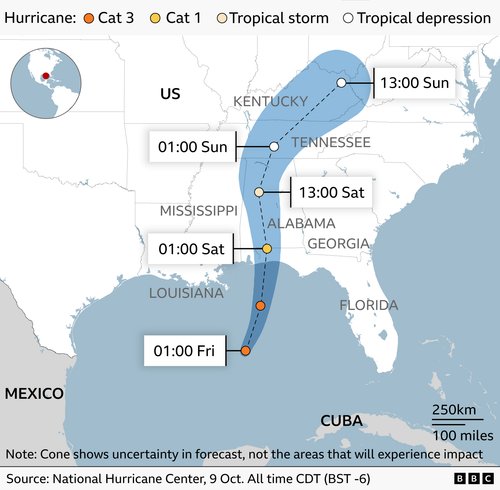
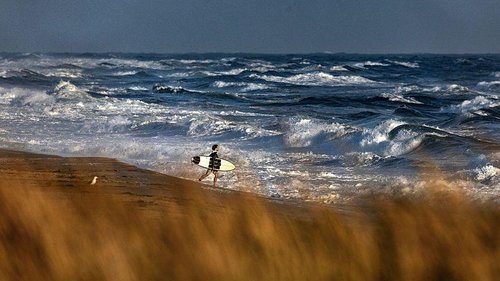
MIAMI (AP) — Gabrielle has rapidly intensified into a major hurricane in the Atlantic, boosting its maximum sustained winds to 120 mph (191 kph) as it approached the region approximately 195 miles southeast of Bermuda. According to the Miami-based National Hurricane Center, Gabrielle is now classified as a dangerous Category 3 hurricane and is currently moving north at a speed of 10 mph (16 kph). The storm had initially developed into a Category 1 hurricane just a day prior before harnessing the warmth of the Atlantic waters to significantly strengthen. The projected trajectory keeps it east of Bermuda, minimizing the risk to land areas. Despite this, swells from Gabrielle have reached Bermuda and have begun affecting sections of the U.S. East Coast, leading to potential "life-threatening surf and rip current conditions." This year’s Atlantic hurricane season has shown relative calmness, with Gabrielle being the second named hurricane to form in the ocean, following a notably quiet start. Experts have noted various factors contributing to this subdued phase, but they caution that the threat of developing dangerous systems remains as the season progresses. The Atlantic hurricane season concludes on November 30. Meanwhile, in the Pacific, Tropical Storm Narda has emerged offshore of Mexico, bearing maximum sustained winds of about 45 mph (72 kph) and currently poses no immediate threat to land. The storm, which is moving west-northwest at 12 mph (19 kph), is anticipated to strengthen into a hurricane by tomorrow.