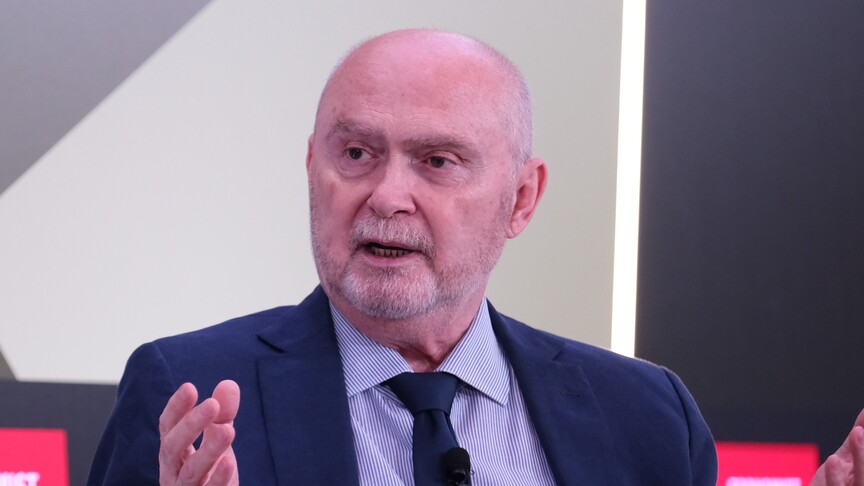
At a Quad summit in Atlanta on Saturday, 1 November 2026, Japan’s Foreign Minister Toshimitsu Motegi, U.S. Secretary of State Marco Rubio, Australian Foreign Minister Penny Wong and India’s External Affairs Minister Subrahmanyam Jaishankar voiced “grave concerns” about China’s use of trade restrictions and other economically coercive tactics. They pledged more than $85 million in technical and financial assistance to expand access to trusted artificial‑intelligence across the Indo‐Pacific.
The four diplomats also agreed to launch a joint business forum aimed at countering what they regard as market distortions caused by arbitrary export restrictions, non‑market policies and overcapacity that disrupt global supply chains in critical industries.
According to the joint document issued after their discussions, the leaders expressed “grave concerns regarding economic coercion, including through arbitrary export restrictions, as well as non‑market policies and practices that result in overcapacity to disrupt global supply chains in critical industries.”
The meeting, the third of the year, took place ahead of a potential Quad summit next month in the Philippines. The leaders are scheduled to visit Manila in mid‑November for meetings involving the Association of Southeast Asian Nations and its partners.
China has criticized the Quad’s initiatives as aimed at containing its rise in the region, but the statements from the four diplomats did not name the country directly, focusing instead on the broader issue of economically coercive practices.
In a separate briefing, the Quad diplomats assessed progress on ongoing initiatives on the sidelines of a Group of 20 foreign ministers’ meeting in Atlanta.
They noted that the last Quad summit was held in September 2024, when U.S. President Joe Biden was in office. The group’s cooperation has expanded from maritime security to critical minerals, health protection and emerging technologies.