
In brief
The news of actor Jung Woo-sung becoming a father with model Moon Ga-bi has sparked national discussions in South Korea about celebrity responsibilities, traditional family structures, and societal acceptance of births outside marriage.
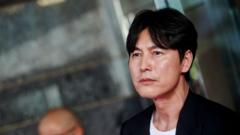
South Korean actor Jung Woo-sung, a prominent figure in the film industry, has found himself at the center of a national conversation after confirming he is the father of a child with model Moon Ga-bi, a revelation that challenges traditional family norms. This unexpected announcement has stirred diverse reactions from the public, highlighting the tension between conservative values and evolving societal attitudes.Jung, 51, made headlines when his agency confirmed on Sunday that he is the father of the newborn son, following Moon's announcement of the child's birth on Instagram two days earlier. While he expressed his commitment to supporting his son, Jung's decision not to disclose plans for marriage drew significant criticism, particularly in South Korea's conservative climate where unwed parenthood is often stigmatized.The backlash against Jung was swift, erupting across social media and in print, with many questioning his integrity and the implications of his choices. Commentators criticized him for seemingly abandoning the moral standards expected of a public figure in South Korea, where traditional family values have long prevailed. One user on Naver News voiced frustration over Jung's perceived duplicity regarding his previously established image as a humanitarian and ethical role model.Conversely, progressive voices in the debate have emerged, advocating for a more inclusive view of family structures. Some lawmakers, such as Lee So-young of the Democratic Party, defended Jung's right to make personal decisions about his family without societal pressure to conform. In her comments on social media, Lee emphasized the importance of respecting individuals' unique life choices and the idea that every family arrangement should be valued.Recent surveys indicate a generational shift in attitudes toward parenting outside of marriage, with an increase in acceptance among younger people. A study conducted by South Korea’s statistics agency revealed that while 37% of respondents now believe it is socially acceptable to have children without marriage, traditional views remain dominant, especially among older demographics.The media discourse around Jung and Moon's situation has sparked a wider discussion about the pressures faced by celebrities in South Korea's entertainment industry, where personal lives are constantly scrutinized. A leading progressive newspaper editorial highlighted the need for South Korean society to embrace diverse family forms and evolve with changing times, proposing that public figures like Jung could help reshape societal perceptions of unconventional family bonds.As this story continues to unfold and resonate with the public, it is evident that discussions about celebrity conduct, family structures, and societal norms in South Korea are far from over, reflecting a nation navigating its cultural identity in a modern context.
