
In brief
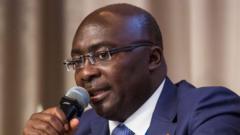
Bawumia, a former banker and Oxford alum, faces criticism for Ghana's economic struggles but champions digital transformation as he seeks to become the first Muslim president.
Mahamudu Bawumia, Ghana's current vice-president, has emerged as a leading figure in the nation's political landscape, transitioning from a mere outsider to a candidate poised to potentially make history in December as Ghana's first Muslim president. Selected by the governing New Patriotic Party (NPP) to run in the upcoming general elections, the 61-year-old politician is known for his commitment to digitizing the economy, earning him the nickname "Mr Digital."Raised in the city of Tamale within a large family, Bawumia's academic excellence at prestigious institutions, including Oxford University, has established him as a prominent intellectual. His rise began in 2008 when he joined then-presidential candidate Nana Akufo-Addo as his running mate despite having no prior public office experience. Initially met with skepticism, Bawumia's performance in subsequent elections, particularly as a key witness during a Supreme Court challenge over the 2012 election results, showcased his charisma and resilience.Bawumia's tenure as vice-president has not been without its challenges. As head of the government's economic management team, he faces criticism amid a devastating cost-of-living crisis. Inflation rates soared to an unprecedented 54% in December 2022, prompting the government to request a $3 billion loan from the IMF. Bawumia defended his position, asserting that his team merely served in an advisory role rather than having direct decision-making power—a stance that many critics find inadequate.Despite economic concerns, Bawumia remains a proponent of technological advancement. His leadership has been credited with significant strides in Ghana's digital landscape, including partnerships that established the world's largest vaccine delivery network. Critics, however, argue that many of these initiatives were inevitable developments rather than direct achievements attributed solely to Bawumia.On the personal front, Bawumia presents a strong family image alongside his wife, Samira, a former beauty queen and active campaigner. Their devoted Islamic faith, which aligns with a sizable religious minority in Ghana, may enhance his appeal across various demographics. While Christianity remains the predominant religion in the country, political analysts assert that Bawumia's background will not hinder his chances at the presidency.As he campaigns across the country in his "possibilities bus," Bawumia aims to connect with voters, presenting a blend of optimism and candid acknowledgment of past setbacks. He emphasizes his belief in Ghana's potential and his commitment to steering the nation toward a brighter future. While some view him as a representation of economic mismanagement, Bawumia's message of hope and resilience seeks to resonate with Ghanaian citizens in a critical election season.
