In brief
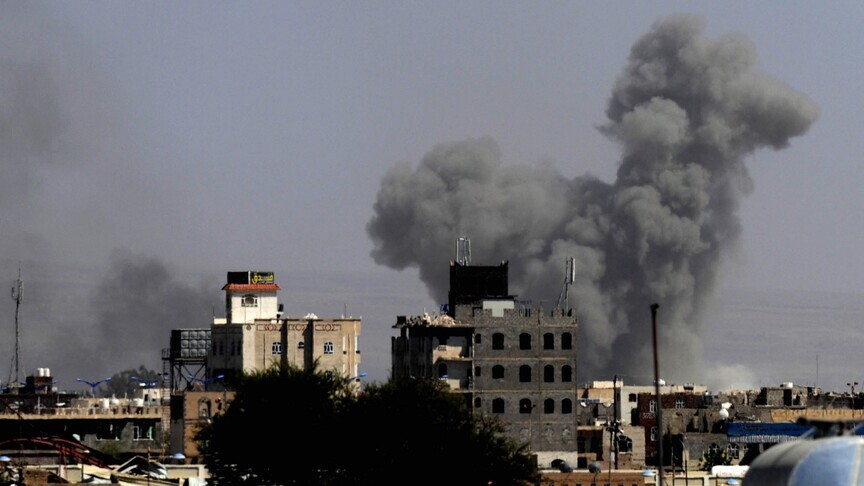
In a dramatic escalation of the conflict in Sudan, the national army has reportedly regained substantial portions of Khartoum from the paramilitary Rapid Support Forces (RSF). This marks the army's most significant achievement in the year-long battle for the war-torn capital. Local residents have expressed their distress over the heavy fighting, with reports of stray bullets and explosions in their neighborhoods.
Key locations in the capital, including the national mint, have fallen back into army hands, though the RSF remains in control of much of Khartoum itself. The army’s recent success in securing the strategically important state of Gezira has bolstered their confidence to launch further offensives against the RSF. General Abdel Fattah al-Burhan, the military leader, pledged that the days of the 'rebels' in Khartoum are numbered.As the conflict stretches into its second year, the humanitarian toll has been devastating. According to UN assessments, around 100,000 residents in Khartoum are suffering from famine conditions. The ongoing violence has displaced 12 million people, with significant casualties reported since the conflict erupted between General Burhan and his former ally-turned-rival, Mohamed Hamdan Dagalo, leader of the RSF.Aid organizations have characterized the situation in Sudan as the worst humanitarian crisis globally, holding both the army and the RSF accountable for numerous atrocities, including genocide accusations in Darfur—claims that both factions deny. While many Khartoum residents are welcoming the army's advances, the fear remains of possible retribution against those who were previously associated with the RSF.The army's recent operational successes can be attributed to a surge in recruitment and acquisition of armaments, alongside strategic wins that have seen them take back critical geographic points. However, these victories come amid lingering fears of reprisal against those perceived as RSF collaborators, as highlighted by local voices expressing their worries for loved ones caught in the crossfire.With the future uncertain and violence persisting, residents like Mustafa and Amir anxiously await developments in this dire conflict, hoping for a resolution yet grappling with the consequences of war in their daily lives.