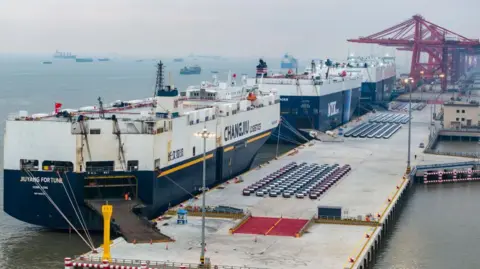
Mnangagwa communicated this policy change via X, stating it is designed to enhance American imports in Zimbabwe while aiming to boost Zimbabwean exports to the US. The trade dynamics have been less than robust, with US exports to Zimbabwe totaling approximately $43.8 million in 2024, a slight increase compared to previous years, while imports have plummeted by 41% to $67.8 million. This comes against a backdrop of previously frosty relations due to historical events regarding land reforms and concerns over human rights in Zimbabwe, evident since the early 2000s under former President Robert Mugabe.
Political commentary on this development has been critical, with analysts expressing skepticism about the economic benefits of the tariff suspension, arguing it primarily favors the US. Journalists and commentators have suggested that Mnangagwa may be seeking a way to lift sanctions imposed on his administration, although many view this as an unlikely scenario.
While Mnangagwa positions this move as a commitment to equitable trade and improved bilateral cooperation, critics like journalist Hopewell Chin'ono indicate that a more coordinated regional approach might yield better results for Southern African nations facing similar economic pressures.
As regional tensions rise over imposed tariffs, neighboring Lesotho deals with a steep 50% tariff and plans to pursue negotiations with the US, highlighting the complexities of global trade relationships and the significant impact of tariffs on smaller economies.
Political commentary on this development has been critical, with analysts expressing skepticism about the economic benefits of the tariff suspension, arguing it primarily favors the US. Journalists and commentators have suggested that Mnangagwa may be seeking a way to lift sanctions imposed on his administration, although many view this as an unlikely scenario.
While Mnangagwa positions this move as a commitment to equitable trade and improved bilateral cooperation, critics like journalist Hopewell Chin'ono indicate that a more coordinated regional approach might yield better results for Southern African nations facing similar economic pressures.
As regional tensions rise over imposed tariffs, neighboring Lesotho deals with a steep 50% tariff and plans to pursue negotiations with the US, highlighting the complexities of global trade relationships and the significant impact of tariffs on smaller economies.