In brief
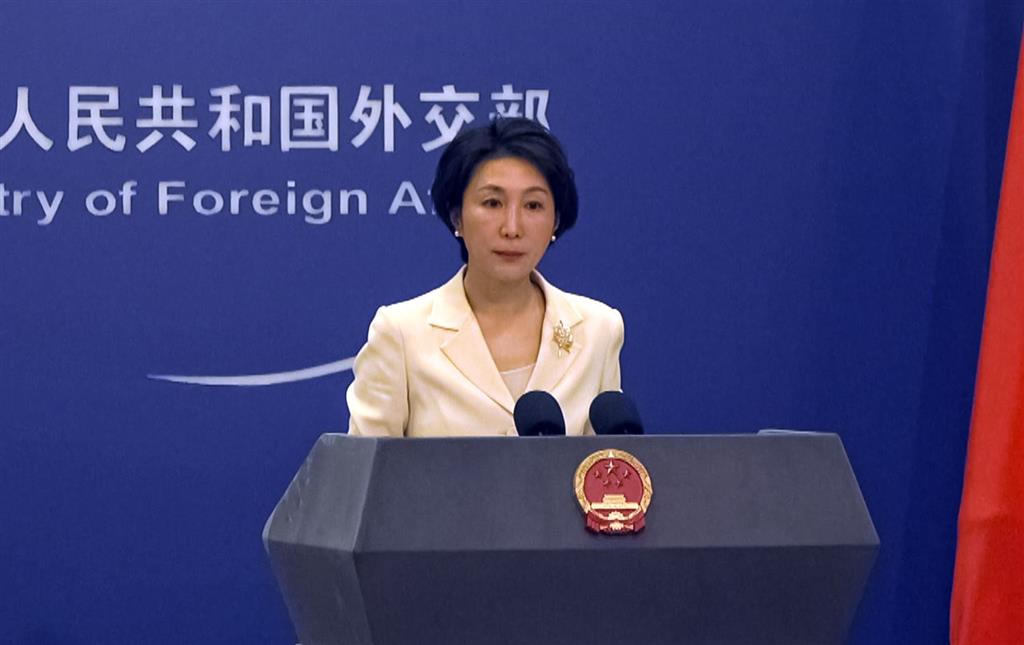
During a recent meeting in Panama City, Secretary of State Marco Rubio expressed serious concerns regarding Chinese influence over the Panama Canal, urging the country's president for immediate reforms. This dialogue marked Rubio's first engagement with a foreign leader since his appointment and highlighted the growing tensions surrounding U.S.-China relations.
In his discussions with Panama's president, José Raúl Mulino, Rubio claimed that President Trump found the current status of Chinese control over the canal unacceptable and warned of potential U.S. actions to “protect its rights” under existing treaties. However, President Mulino downplayed the severity of the threat, indicating a belief that U.S. intervention was unlikely. Trump later reinforced the U.S. stance, stating a strong intention to reclaim control over the canal unless changes were made.The State Department's response reflected a more aggressive tone, signaling to Panama that immediate action was warranted to address these concerns. Despite this, specifics regarding the type of actions being considered by the U.S. government remain unclear, creating further uncertainty around future U.S. policy in the region. Rubio's comments echo a broader strategy where U.S. officials are scrutinizing China's growing influence across Latin America, particularly in strategic locations like the Panama Canal, underlining the importance of this waterway to both nations. As diplomatic discussions continue, the international community closely watches the evolving dynamics between these significant powers in the region.