In brief
Pakistan has reversed a key requirement for religious seminaries to register with the government amid political pressures from Islamist parties, igniting fears over the lack of oversight in these institutions.
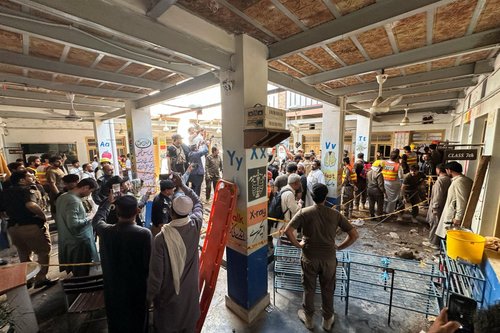
Pakistan is witnessing a contentious political shift as the government gives in to demands from Islamist parties, resulting in the cancellation of a 2019 policy that mandated the registration of religious seminaries, or madrasas. These institutions, which promise free education, meals, and housing to impoverished children, have long been viewed by the Pakistani government and Western officials as potential breeding grounds for radicalism and violence.Historically linked to militant groups such as the Taliban and Al-Qaeda, madrasas have been under increasing scrutiny. In 2019, a significant reform initiative was launched, requiring these religious schools to register with the Ministry of Education, showcasing an effort to impose greater accountability in these traditionally autonomous institutions. This initiative, which received backing from the military, aimed to clip the wings of radical elements by enhancing oversight. However, it faced fierce opposition from Islamist political factions.In a surprising turn of events in October 2024, Jamiat Ulema-e-Islam, the most prominent Islamist party, reached a political agreement with the government that effectively rescinded the registration requirement. The madrasas will revert to their previous status, governed by an outdated colonial law that grants minimal oversight regarding their curriculum, funding, and activities. In return for this concession, Jamiat Ulema-e-Islam pledged support for controversial constitutional amendments concerning judicial appointments, adding an intricate layer to this political negotiation.The abandonment of the registration requirement not only raises alarms among counterterrorism officials but also casts doubt on Pakistan's commitment to regulating and overseeing religious educational institutions that play a crucial role in shaping the beliefs and ideologies of Pakistani youth.