In brief
The current situation in Haiti reveals a deepening crisis with political instability and rampant gang violence leading to widespread suffering among its citizens.
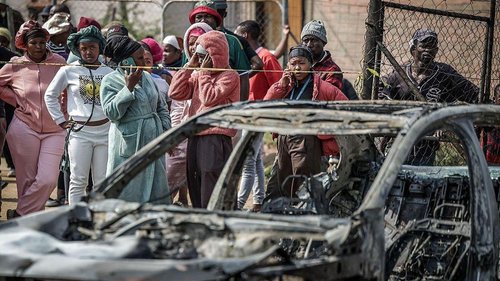
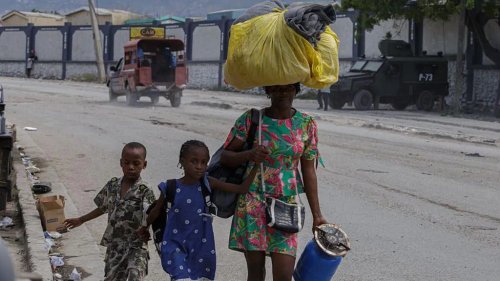
Amidst rising gang violence and political turmoil, Haiti has become a nation grappling with urgent crises that demand immediate attention. With the recent assassination of a prominent leader and subsequent violence, the streets of Port-au-Prince, the capital, are increasingly deserted as fear takes hold of the populace. An influx of gang activity has led to the deaths of nearly 4,000 people this year alone and has even forced the closing of the international airport for safety concerns. Despite the U.S. investing $600 million in efforts to stabilize the country, the situation has only worsened, prompting the FAA to prohibit U.S. aircraft from flying below 10,000 feet in Haitian airspace. The continued rise in gang power underlines the urgent need for effective solutions, especially as the nation approaches another leadership transition with President-elect Donald Trump taking office soon. Experts are wresting with the dire circumstances, echoing sentiments of confusion and helplessness. “I am at a complete loss,” said Susan D. Page, a law professor, and former U.N. official. “Everyone is astounded by the persistence of chaos.” Haiti’s struggles are not new, tracing back over 15 years through natural disasters, mismanaged aid, corrupt governance, and flawed electoral processes. Now, amid a collapsing socio-political framework, the ground realities for ordinary Haitians have become alarmingly precarious, highlighting a need for immediate international intervention and genuine governance reform to restore hope and peace in the beleaguered nation.