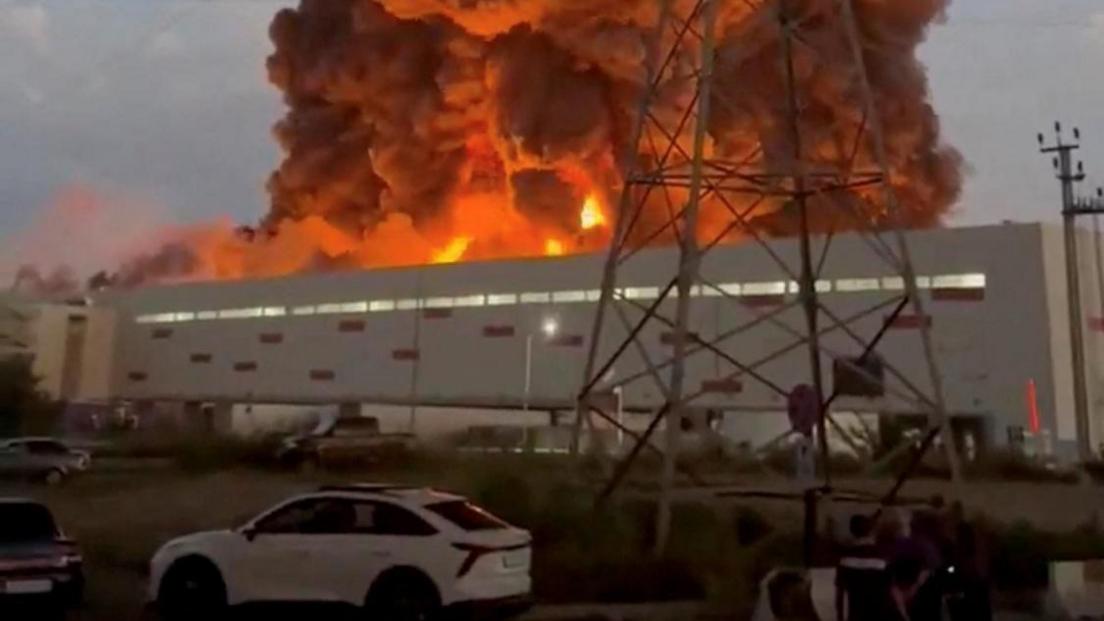
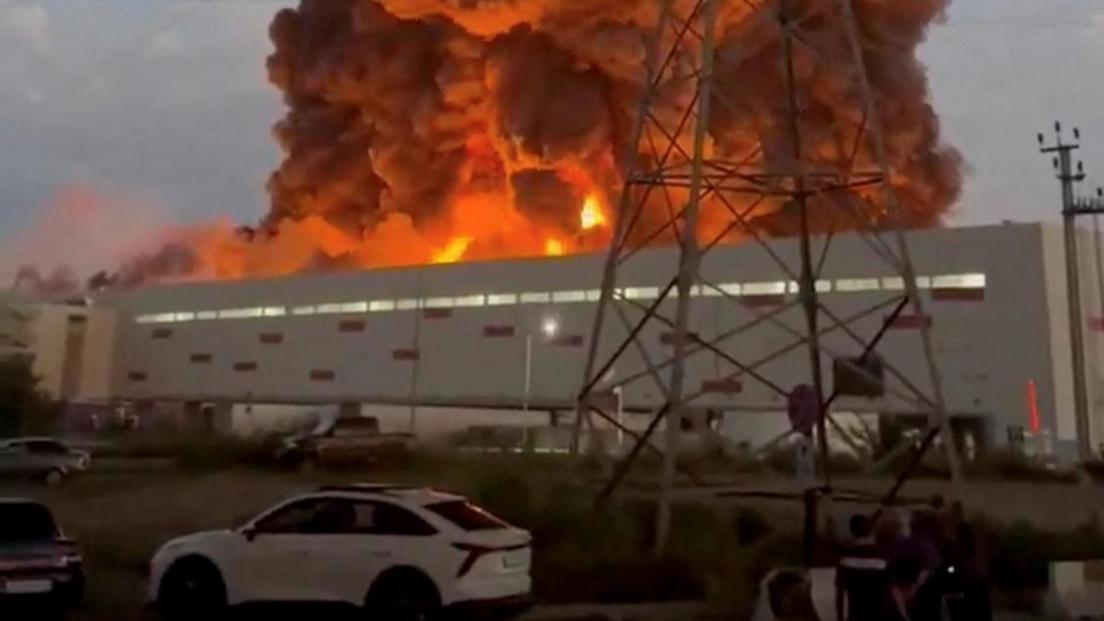
Ukrainian drones have hit several Wildberries warehouses in just a few days, delivering a crippling blow to millions of small and medium‑sized businesses that rely on the platform.
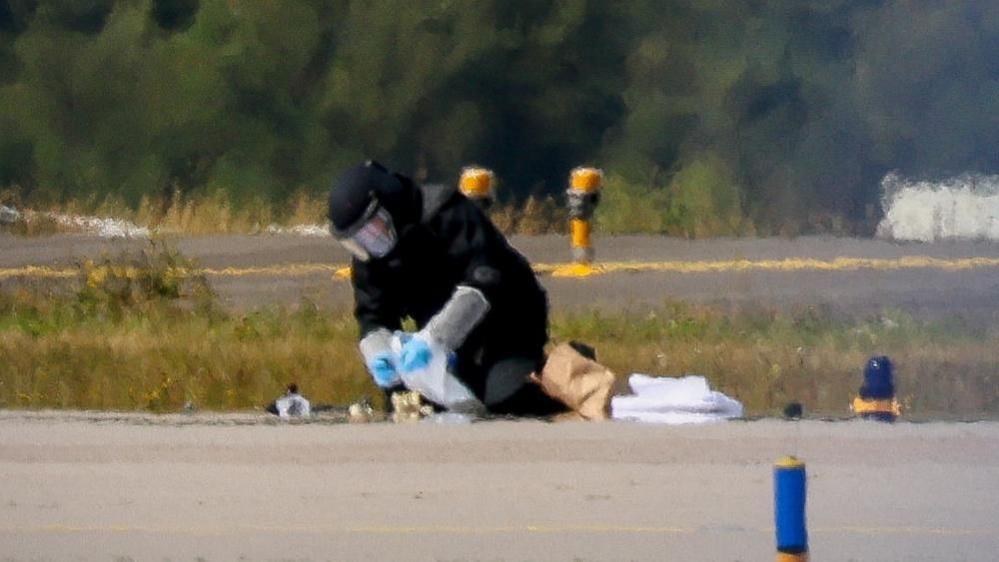
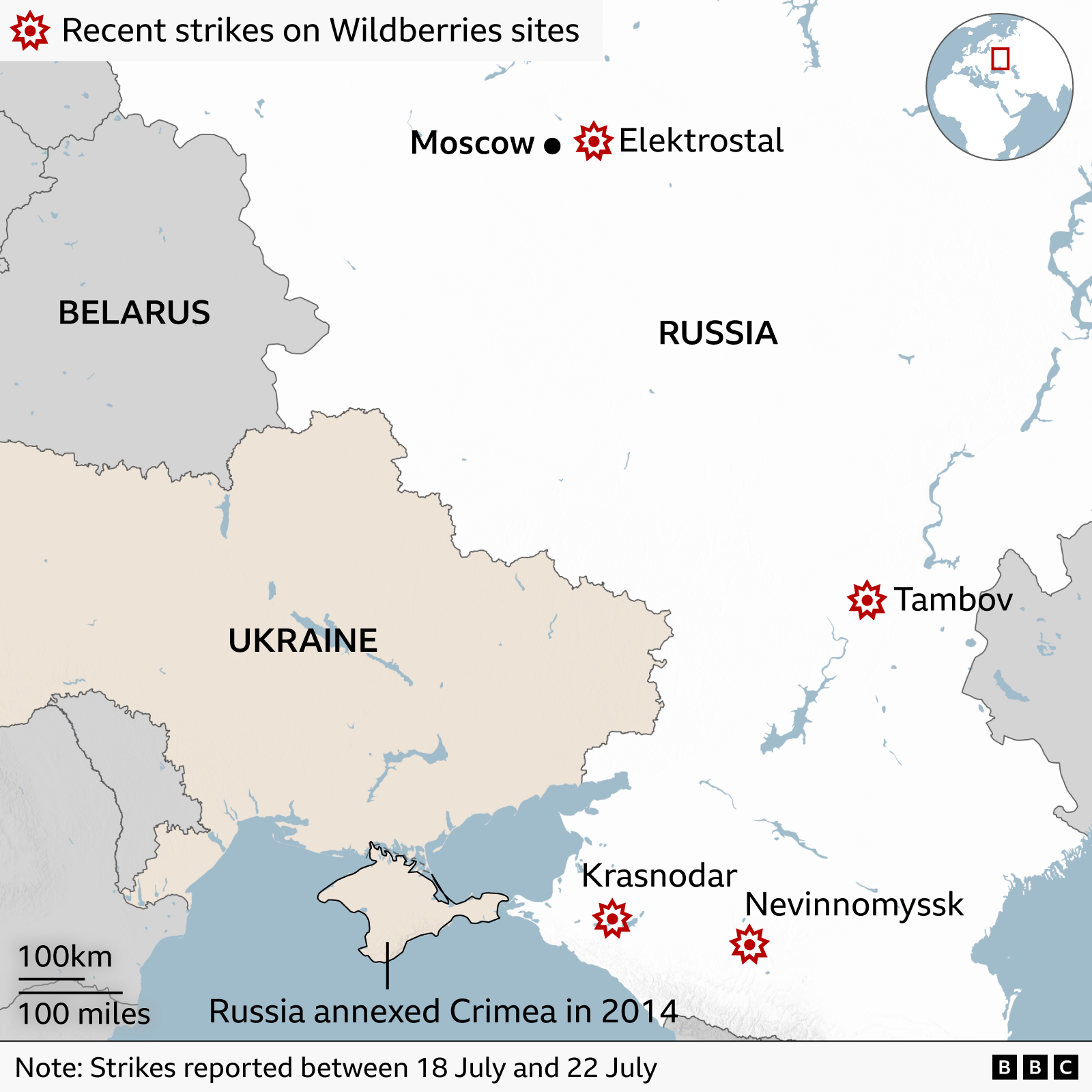
The attacks—starting with strikes on Elektrostal and Kotovsk—killed seven workers in Kotovsk, injured dozens more, and destroyed goods worth roughly £750 million (about 1 billion USD). More logistics sites were hit later, including warehouses near Moscow, Krasnodar and Nevinnomyssk, as Kyiv’s campaign turns to supply routes used by Russian forces.
Wildberries, unlike Amazon, operates mainly as a marketplace that stores and delivers products for independent sellers. When a warehouse is destroyed, the sellers—many of whom call the platform their only distribution channel—lose the inventory they have shipped there. One stationery entrepreneur said she had lost the rest of the season’s stock overnight, while a teenage‑clothing seller reported a 1.4 million‑rouble loss and suspended new orders for weeks.
Wildberries’ owner, Tatiana Kim, stated the company would not abandon its sellers, offering temporary discounts and waiving shipping fees. However, the recent contracts now list drone strikes as a force‑majeure event, absolving the company from liability, leaving many businesses with no compensation and mounting uncertainty.
The raids illustrate how the war’s economic toll is cutting deeper into civilian life. Russia’s VAT rose from 20% to 22% in January, many SMEs shut down in Q1 2026, and a fuel crisis caused by Ukrainian strikes has exacerbated shortages across the country. Despite significant financial reserves, the war is draining resources that could otherwise stimulate growth. Small businesses, once resilient, now face high inflation, a widening fiscal deficit, and a shrinking oil and gas sector, threatening a cornerstone of Russia’s economy.
The Ukrainian strategy of targeting logistics hubs is meant to disrupt Russian military supply chains, but it has also brought the war home to countless civilians who depend on e‑commerce for everyday goods. The sector’s struggle—marred by mandatory force‑majeure clauses, capital outflows, and supply chain disruptions—highlights how the conflict is reshaping Russia’s economic landscape.