When the Questioning Stops – Trump’s Lexicon of Silence
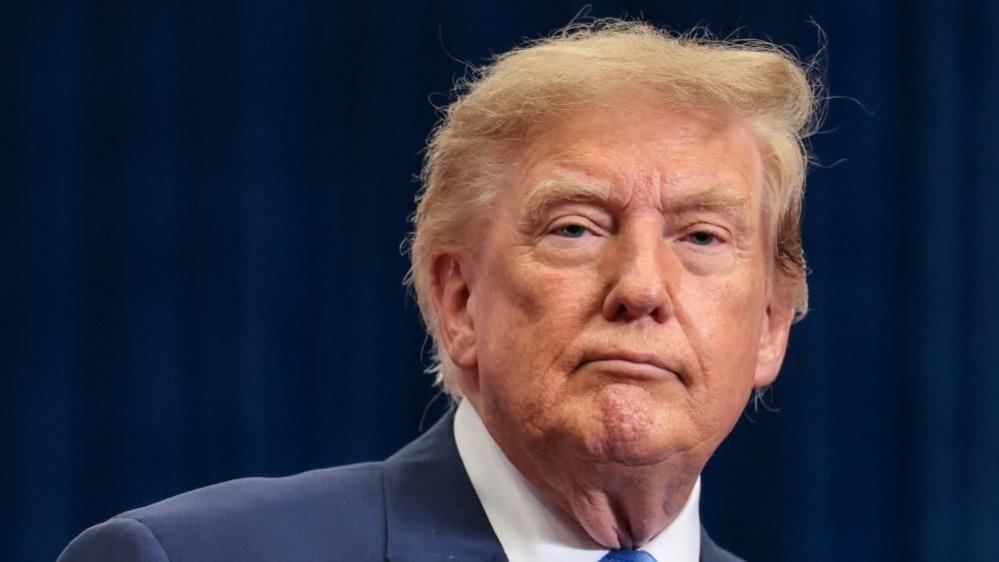
Former President Donald Trump’s recent press interactions have been marked by an instinctive retreat whenever reporters probe into areas that could paint him unfavorably. The pattern is unmistakable: questions about personal conduct, policy failures, or any line that threatens his public narrative are met with terse remarks, a silence, or an outright dismissal.
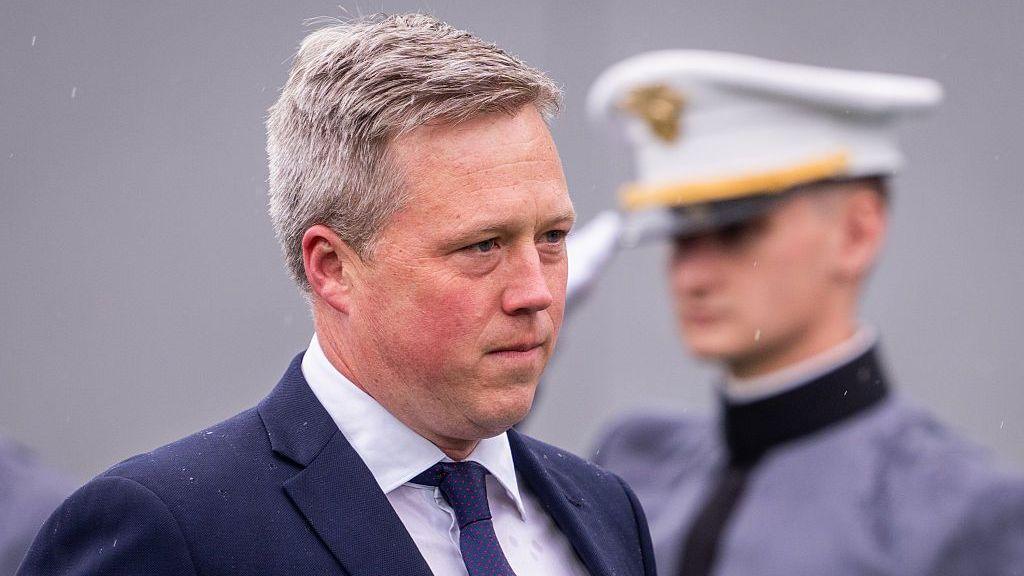
BBC journalist Tom Bateman explains that the trigger points are often personal or political. When interviewers bring up topics such as racial policy missteps, his handling of the pandemic, or his administration’s alleged use of federal funds for a “Biden family” payroll, the former president’s reaction tends to shift from a calm response to a sharp, sometimes hostile reprimand.
Bateman also notes a recurring pattern of gender‑based hostility. Female reporters, in particular, find themselves subject to more vocal lashes when they ask probing questions. This adds a layer of concern for media producers and journalists who operate in a space where respectful dialogue is expected.
The president’s avoidance tactics mirror his broader political strategy: control narrative, minimize dissent, and maintain loyalty among his base. As long as his political survival depends on a carefully curated image, unfiltered answers – especially those that could damage that image – remain costly. Consequently, reporters must navigate the fine line between investigative questioning and cross‑sectional commentary that could invoke the president’s infamous “quiet” directive.
As the president’s media approach evolves, journalists and audiences alike will continue to scrutinize what makes Trump feel compelled to shut down reporters. Recognizing these triggers offers a clearer lens through which to interpret the current climate of media‑politics relations.