In brief
Thousands of children in Gaza are receiving their second polio vaccination, attempting to combat the effects of war but facing access issues amid conflict.
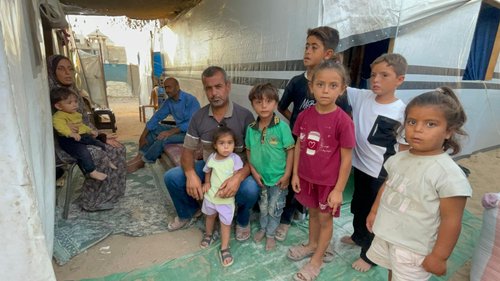
In a significant public health effort, thousands of children in Gaza City are receiving their second doses of the polio vaccine this weekend aiming to curb the virus amidst a dire humanitarian crisis. However, reports from the United Nations and various aid organizations indicate that children in northern regions, where the Israeli military has intensified its offensive against Hamas, may miss these critical vaccinations due to ongoing hostilities.Originally slated for October 23, the second phase of the vaccination campaign experienced delays as health officials sought guarantees for the safety of workers amidst the violence. The WHO and UNICEF issued statements highlighting that assurances for a humanitarian pause were only granted for Gaza City, leaving approximately 15,000 children under the age of ten in northern areas at risk of missing their vaccination doses.As the Israeli military conducts operations, it aims to dismantle what it regards as Hamas's stronghold in these locations. Meanwhile, COGAT, the Israeli governmental body monitoring Gaza and the West Bank, reported that 58,604 children under ten were vaccinated in northern Gaza since the commencement of the renewed campaign a day prior. They affirmed Israel’s commitment to facilitating an effective vaccination effort.The Gazan Health Ministry corroborated these figures, stating that the vaccination program is expected to continue through Monday, with hopes that more children will be reached despite the challenging circumstances. The situation remains precarious as the balance between public health initiatives and military operations continues to evolve.