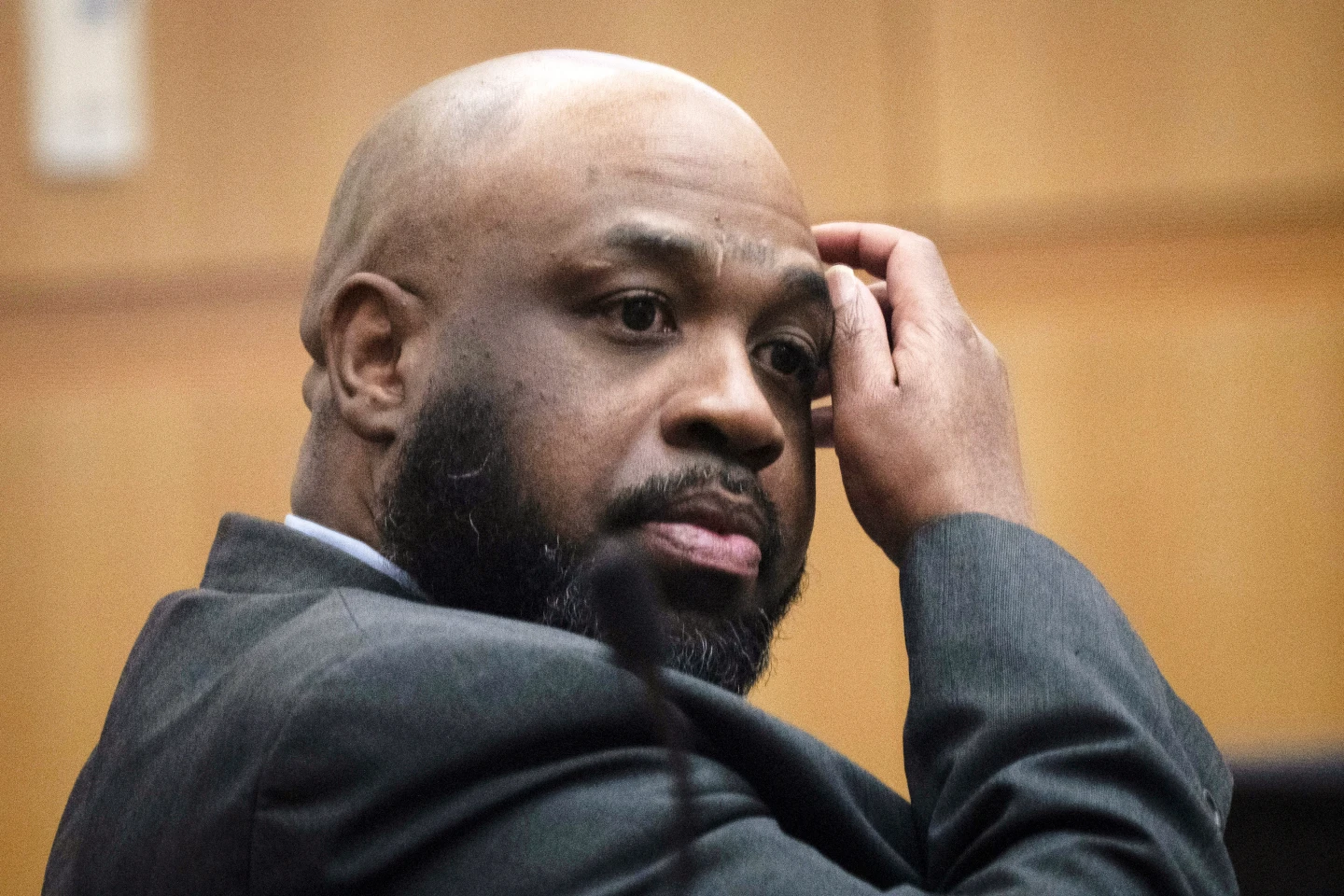
A Utah judge has ordered a closed hearing transcript from October regarding the murder case against Tyler Robinson, charged with killing conservative activist Charlie Kirk, to be made public. Judge Tony Graf stated that promoting public transparency is essential for the judicial system, ordering the release by day's end with specific redactions to security protocol discussions.
Over the previous month, media attorneys had insisted on the importance of open court proceedings in safeguarding the integrity of fact-finding processes, arguing that it bolsters public confidence in the judicial system. Robinson was not present in court but appeared via audio link from jail, as a preliminary hearing is set for the week of May 18. The charges against him include aggravated murder, with prosecutors seeking the death penalty.
The judge had previously ruled that while Robinson could appear in civilian clothes, he must be restrained during proceedings, emphasizing safety for all parties involved. Recent filings from lawyers suggested that open court settings do not impede the fair conduct of trials and that media coverage is vital for maintaining public trust.
Judge Graf has indicated further measures, specifying that Robinson's shackles should not be visible in media broadcasts of the proceedings, addressing concerns about possible bias against the defendant based on his appearance. As the case gains attention, the release of the hearing materials aims to balance judicial transparency with security considerations.
Over the previous month, media attorneys had insisted on the importance of open court proceedings in safeguarding the integrity of fact-finding processes, arguing that it bolsters public confidence in the judicial system. Robinson was not present in court but appeared via audio link from jail, as a preliminary hearing is set for the week of May 18. The charges against him include aggravated murder, with prosecutors seeking the death penalty.
The judge had previously ruled that while Robinson could appear in civilian clothes, he must be restrained during proceedings, emphasizing safety for all parties involved. Recent filings from lawyers suggested that open court settings do not impede the fair conduct of trials and that media coverage is vital for maintaining public trust.
Judge Graf has indicated further measures, specifying that Robinson's shackles should not be visible in media broadcasts of the proceedings, addressing concerns about possible bias against the defendant based on his appearance. As the case gains attention, the release of the hearing materials aims to balance judicial transparency with security considerations.