In brief
The latest U.S. consumer price index data shows inflation climbing to 3.7% in the twelve months leading to September, a jump from 3.4% in August. The spike is largely fueled by rising gasoline prices, which surged after disruptions in Middle Eastern oil supplies tied to the Israel‑Iran standoff. This uptick occurs just before the 2026 midterm elections, intensifying debates over the country’s cost‑of‑living crisis. Analysts note that energy inflation—a surge of 20.4% year‑over‑year—has pushed the overall figure higher. While food inflation remains subdued and core inflation sits around 2.6%, the Federal Reserve watches closely for any spill‑over into other sectors.
US inflation rises more than expected ahead of midterm elections
US inflation accelerated to 3.7% in the twelve‑month period ending September, up from 3.4% in August, according to the Bureau of Labor Statistics’ final release. The figure exceeds market forecasts.
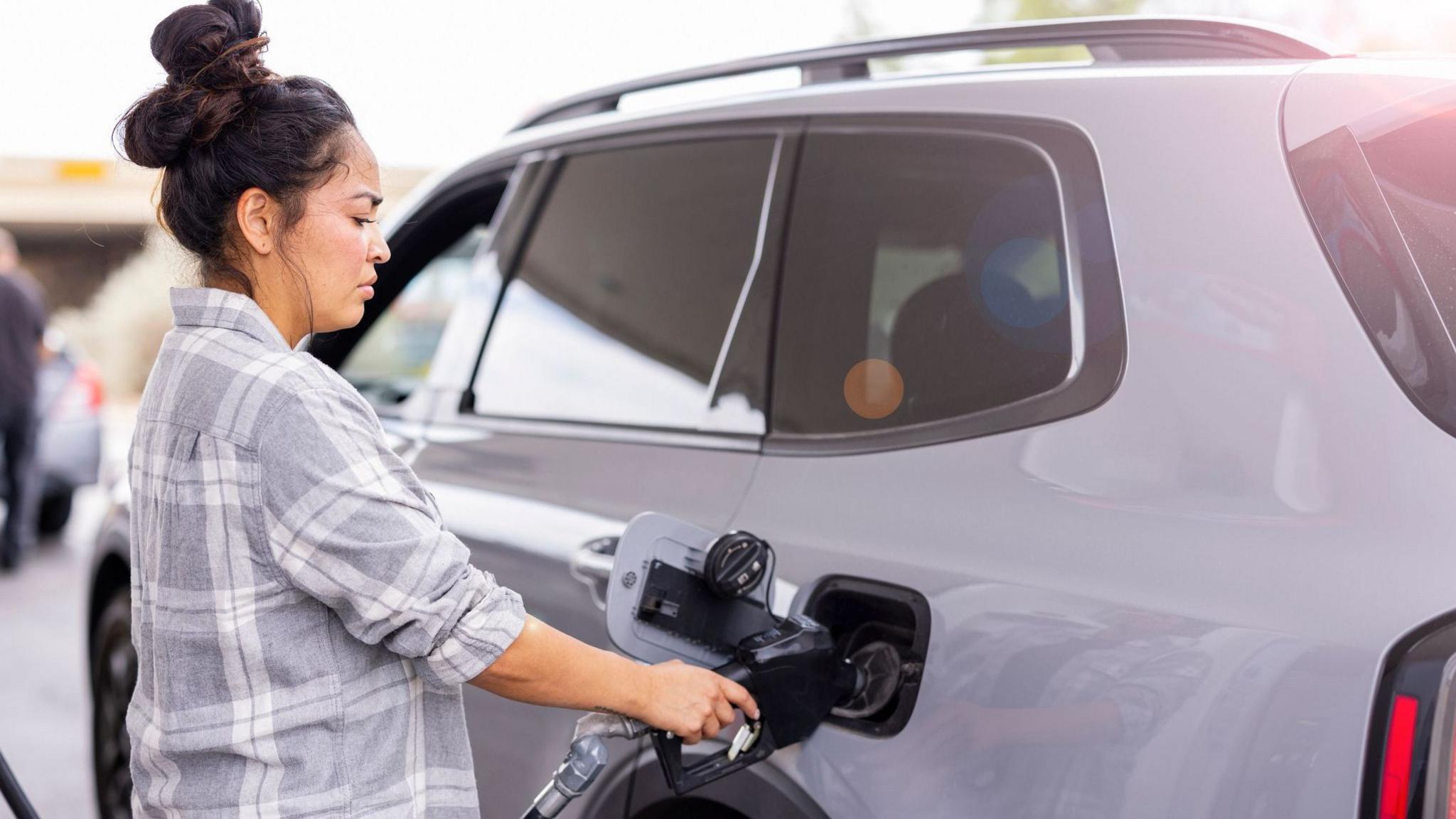
The rise is largely driven by a sharp increase in gasoline prices, which jumped more than 30% after disruptions to Middle‑East crude supplies caused by the Israel‑Iran conflict. The energy surge contributed over half of the overall inflation increase.
The data comes just before August’s midterm elections, a race already framing cost‑of‑living concerns for voters nationwide.
What is inflation?
Inflation is the rate at which the prices of goods and services rise over time. It is measured most commonly through the Consumer Price Index (CPI), which tracks a basket of items that people purchase regularly.
The CPI includes everything from groceries and clothing to energy and medical services, updating the basket periodically to reflect changing consumer habits.
What causes inflation?
Inflation can arise when demand outstrips supply, prompting producers to raise prices. Examples include popular merchandise that becomes scarce, leading to resale price hikes.
Higher household incomes also boost demand, which can push prices upward. Supply disruptions—such as reduced gasoline output—further pressure prices as demand remains steady.
Current inflation rate
Inflation stands at 3.7% year‑over‑year, with car fuel prices spiking 34.2% over 12 months and jumping 9.1% in September alone.
Energy inflation is up 20.4% on the year; fuel oil prices, used for home heating, rose 74.2%. Food prices remained flat in September, with annual inflation at 2.5%. Core inflation, excluding food and energy, is 2.6%.
How have tariffs affected inflation?
Since his second term, President Donald Trump has imposed tariffs on many U.S. trade partners. While the president argues such tariffs raise revenue and support domestic manufacturing, the Federal Reserve Bank of New York has found that higher import duties typically raise consumer prices.
According to the Fed, each percentage‑point increase in tariffs can lead to a 0.25% rise in consumer goods prices over a year. U.S. exporters barely lowered prices in response, meaning many businesses absorbed the added costs.
Has inflation been worse lately?
While current inflation exceeds the Federal Reserve’s 2% target, it is lower than the peaks seen in 2020‑2021, when pandemic‑related supply‑chain disruptions and the Ukraine conflict drove prices to nearly 9%.
Can inflation ever go down?
A slower inflation rate does not mean prices are falling; it only indicates that price increases are happening at a lower pace. Central banks consider 2% inflation as healthy, steering policy to maintain that level and avoid deflationary spirals that could dampen spending and employment.