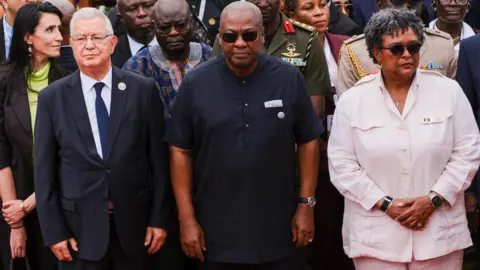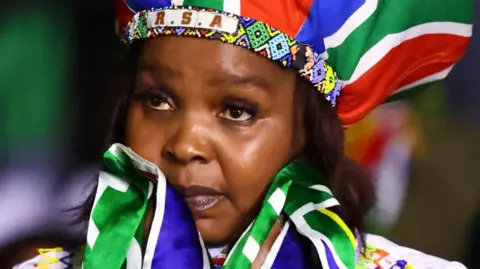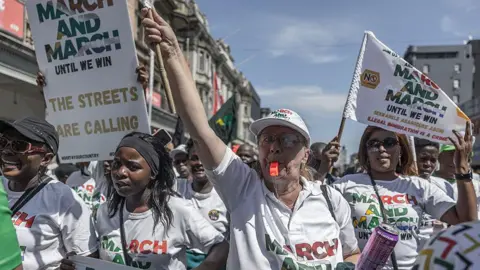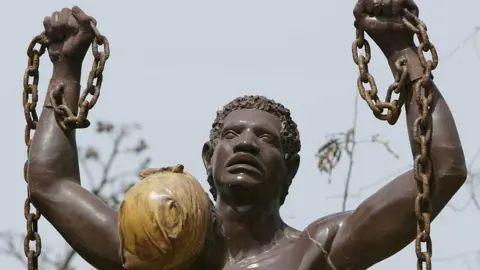
The United Nations General Assembly recently voted overwhelmingly to declare the transatlantic slave trade 'the gravest crime against humanity.' This historic resolution came after calls from numerous African and Caribbean nations as part of a continued push for reparations and acknowledgment of past injustices. UN Secretary-General Antonio Guterres emphasized that the prosperity of many Western nations relies on 'stolen lives and stolen labour,' citing the barbaric punishments that victims suffered during the slave trade.
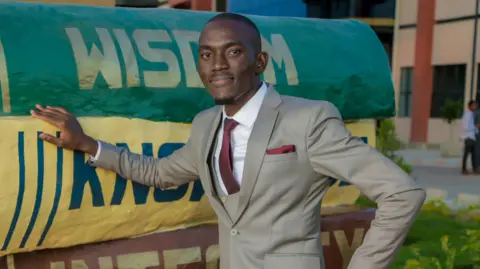
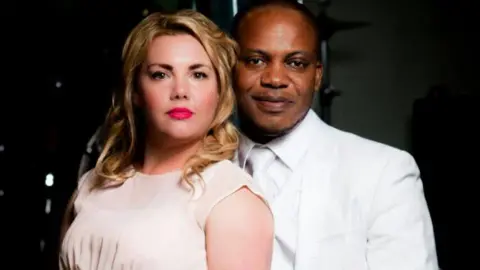
The resolution, though not legally binding, serves as a powerful message that could potentially inspire more concrete discussions about reparations, a subject that has gained momentum in recent years as nations reckon with their colonial histories. Dr. Erieka Bennett from the Diaspora African Forum expressed the personal significance of the vote, stating it acknowledges the suffering of her ancestors and validates the narrative of those affected by slavery.
The adoption of the resolution, which passed with 123 votes in favor, underscores a growing political movement to address historical grievances. However, it also highlights the complex debates surrounding reparations. While some nations, such as the United States and the United Kingdom, abstained or voted against the resolution, advocates like Dr. Esther Xosei from the reparations movement argue that the journey to reparative justice will continue to require grassroots mobilization and faith in the efficacy of international dialogue.
Calls for reparations have intensified, demanding acknowledgment beyond financial compensation, including official apologies and educational reforms to better represent the history of slavery. Reparations proponents argue that true healing requires both recognition of history and substantive actions to rectify its legacy.
As discussions unfold, critics assert that defining slavery as 'the gravest crime against humanity' creates complexity in recognizing the myriad historical injustices. Nevertheless, international acknowledgment marks a fundamental shift in the narrative, opening avenues for reparative discussions and actions aimed at achieving social justice for descendants of enslaved individuals.
The resolution, though not legally binding, serves as a powerful message that could potentially inspire more concrete discussions about reparations, a subject that has gained momentum in recent years as nations reckon with their colonial histories. Dr. Erieka Bennett from the Diaspora African Forum expressed the personal significance of the vote, stating it acknowledges the suffering of her ancestors and validates the narrative of those affected by slavery.
The adoption of the resolution, which passed with 123 votes in favor, underscores a growing political movement to address historical grievances. However, it also highlights the complex debates surrounding reparations. While some nations, such as the United States and the United Kingdom, abstained or voted against the resolution, advocates like Dr. Esther Xosei from the reparations movement argue that the journey to reparative justice will continue to require grassroots mobilization and faith in the efficacy of international dialogue.
Calls for reparations have intensified, demanding acknowledgment beyond financial compensation, including official apologies and educational reforms to better represent the history of slavery. Reparations proponents argue that true healing requires both recognition of history and substantive actions to rectify its legacy.
As discussions unfold, critics assert that defining slavery as 'the gravest crime against humanity' creates complexity in recognizing the myriad historical injustices. Nevertheless, international acknowledgment marks a fundamental shift in the narrative, opening avenues for reparative discussions and actions aimed at achieving social justice for descendants of enslaved individuals.