In brief
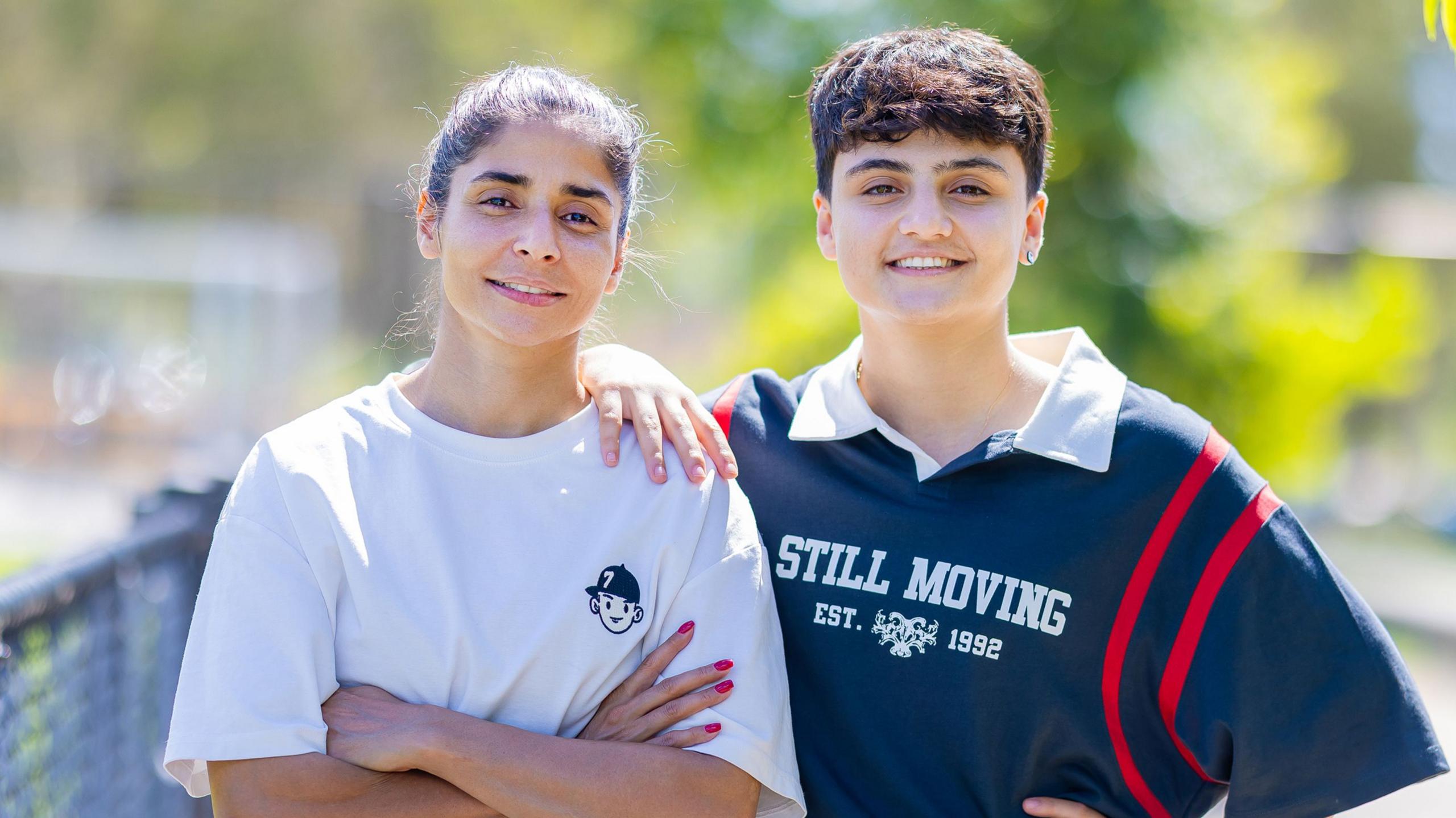
Atefeh Ramezanisadeh, 34, and Fatemeh Pasandideh, 22, two members of Iran’s women’s national football team, became Australian citizens in Brisbane after deciding not to return to Iran. The pair had previously been granted humanitarian visas while staying in Australia for the Women’s Asian Cup. Their decision highlights tensions between asylum seekers and the Australian government’s upcoming tightened visa rules that could restrict appeal rights and family visa applications. The players, who faced threats from Iranian officials, are now training with Brisbane Roar in hope of continuing their football careers in Australia.
Atefeh Ramezanisadeh and Fatemeh Pasandideh, two members of Iran’s women’s national football team, stepped onto a Brisbane field and received Australian citizenship certificates on Wednesday – a landmark moment for the players and the broader asylum debate in Australia.
The 34‑year‑old Ramezanisadeh described the day as “truly special and unforgettable”, while 22‑year‑old Pasandideh said the moment meant more than words could express. The pair were among seven players granted humanitarian visas while in Australia for the Women’s Asian Cup in March, but only they chose to remain and seek permanent residency.
Their story unfolded on the heels of the Iran–US–Israel conflict that began in February. Iran’s sports ministry warned that returnees could face retaliation, and state television called the decision to refuse singing the national anthem “traitorous”. Many of the original players were pressured, or under threat to their families, to return and were forced to do so.
Australian officials had tried to offer asylum to the entire team under pressure from Iranian expatriates, but the decisive waiver to grant naturalisation came after internal concerns and policy shifts. The ceremony was attended by Interior Minister Tony Burke, who noted the new beginning for the players.
The government’s decision comes amid a climate of tightening migration rules aimed at limiting asylum seekers’ work rights and banning family visas for visitors. Critics argue the new measures endanger asylum seekers’ safety, while political opponents rally for stricter controls.
Ramezanisadeh and Pasandideh plan to continue their elite sporting careers in Australia, currently training with the A‑League Women’s side Brisbane Roar. Their future will likely remain in the public eye, as both a symbol of defiance against Tehran and of Australia’s complex relationship with migration policy.