In brief
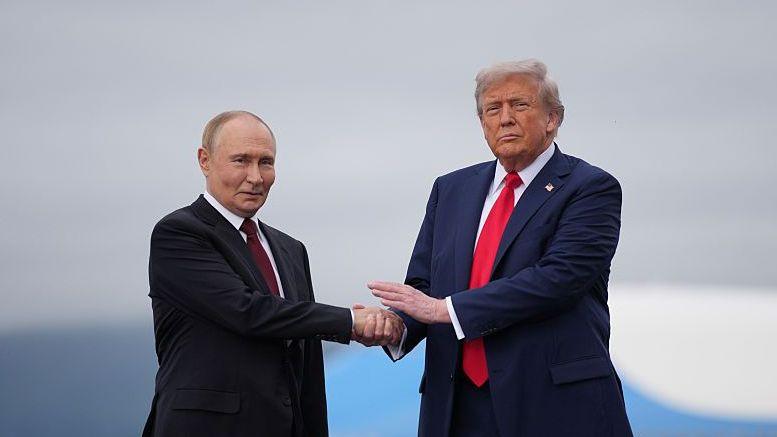
Weeks before the 2026 mid‑term elections, President Trump announced a new arrangement with Russian President Vladimir Putin that would ship hundreds of millions of tonnes of diesel to the United States. The move, promoted as a way to lower fuel costs, has drawn sharp criticism from both parties as senators sign a bipartisan letter urging the administration to reverse the decision. While Trump claims the deal creates an energy ceasefire between Russia and Ukraine, the Ukrainian leader said the agreement came without warning and that attacks on power plants continued. Despite the rhetoric, diesel prices remain well above $6 per gallon, and many farmers and voters in diesel‑heavy states feel the burden. The controversy arrives at a time when economic issues could prove decisive on the ballot box.
With Congress on the brink of a costly mid‑term, President Trump turned to Russian President Vladimir Putin for a quick energy fix. Announcement of a deal that would bring hundreds of millions of tonnes of diesel into the United States came straight from the Oval Office, with the Treasury set to lift bans that had barred Russian diesel from the market.
The decision has drawn a bipartisan backlash. Four Republican senators joined Democrats in a letter demanding the president reverse the move. They argued that allowing Russian fuel would run counter to the 2022 law that banned Russian energy imports to prevent dollars from financing Russia’s war.
Trump also declared a so‑called energy ceasefire between Russia and Ukraine on his social‑media site, yet Ukrainian President Volodymyr Zelensky said the agreement was made without advance notice and that attacks on power plants had continued into Sunday. The claim has raised suspicions about the president’s diplomatic timing.
Despite the administration’s promises, diesel prices remain stuck above $6 a gallon, a figure that still strains farm operators and commuters in diesel‑heavy parts of the country. Voters in key battleground states feel the economic sting, and the spotlight on energy costs could shape the electoral outcome.
As the administration pushes its narrative, the U.S. Senate keeps its fingers on the pulse, watching how the deal will play out on campaign trails and on the silicon of global energy markets.