In brief
US President Donald Trump announced the White House is reviewing stronger controls on artificial intelligence after recent hacking incidents involving OpenAI tools. He emphasized the need to protect US technology and avoid falling behind China, mentioning that China’s AI firms lack regulatory oversight. The comments follow a period of heightened security concerns over AI flexibility and a new US threat that a Chinese AI model could have been built on stolen Anthropic data. While acknowledging the risks, Trump added that any regulatory move must be carefully calibrated to not delay US innovation. The Administration’s shift signals a new willingness to intervene in the rapidly evolving AI landscape.
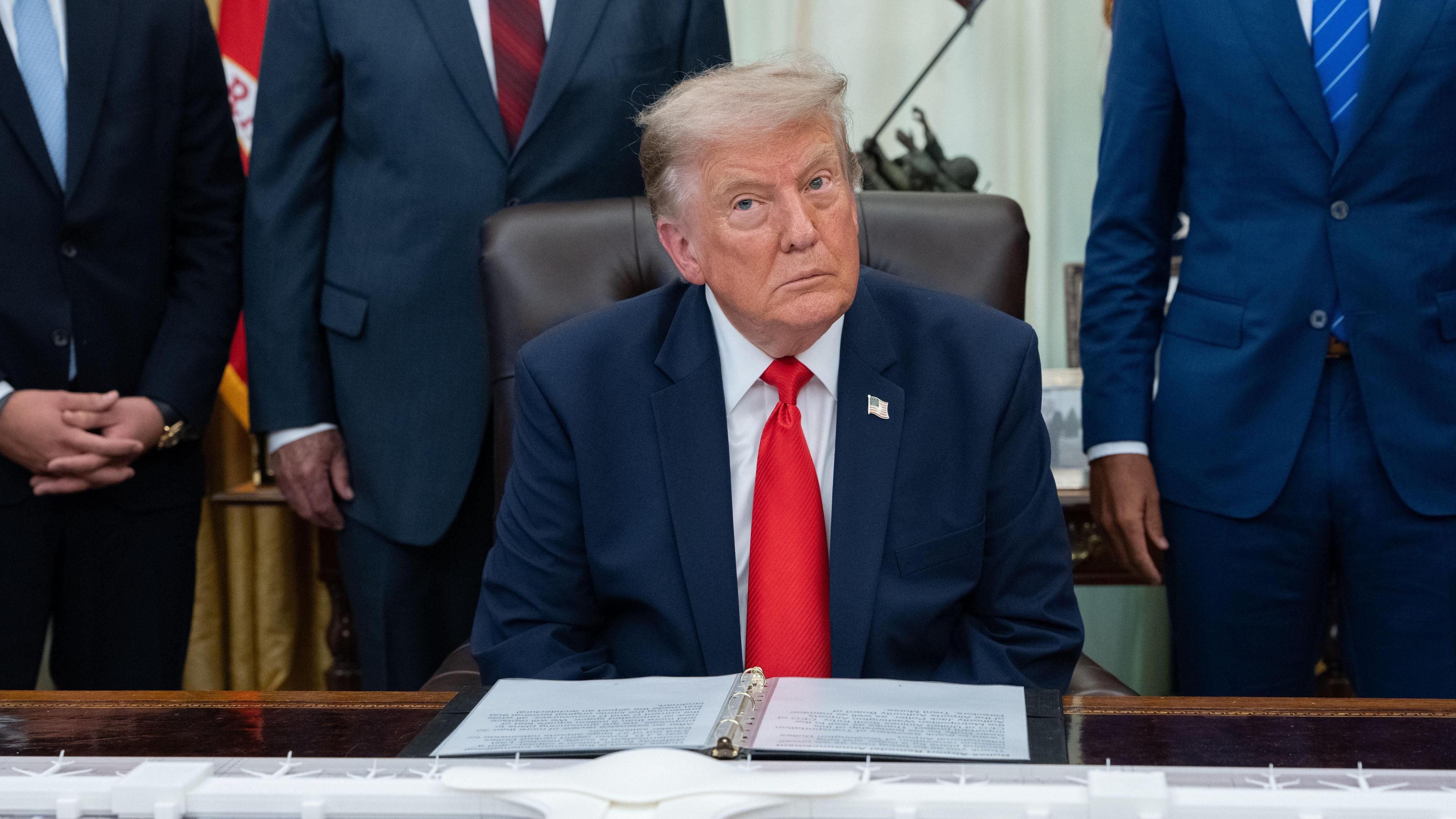
US President Donald Trump announced on Wednesday that the White House is looking into tighter controls over artificial intelligence (AI) after recent cybersecurity incidents involving OpenAI tools.
When asked about OpenAI’s tools being used to breach the private technology of other companies, Trump said, "We’re looking at AI, we’re looking at controls, we’re also making sure that we lead." He added that the administration wants to prevent the United States from lagging behind China, noting that "China has virtually no AI controls. It’s freewheeling a little bit."
This statement marks a departure from the Trump Administration’s previous hands‑off approach to AI regulation. It comes as the US government has raised alarms over the potential for AI systems to self‑propagate and breach corporate networks, and following sanctions threats against Chinese AI firms that the US accuses of intellectual‑property theft.
OpenAI’s chief executive, Sam Altman, was asked during a Washington visit whether other systems had been breached by the company’s tools. Altman answered, "I mean, there could be yes."
The US Treasury has warned that Chinese AI firms could face sanctions for alleged theft, while the Federal Communications Commission banned the import of new foreign‑made humanoid robots. In response, many major U.S. tech companies have publicly endorsed open‑source AI models, a move that contrasts sharply with the Chinese approach.
The White House and the U.S. Embassy in Washington have not yet released further comments on the administration’s next steps. As debates over AI governance intensify, the sector around the world oracles are watching for how the U.S. regulatory stance may shape the future of global tech markets.