In brief
President Trump announced that the United States will not launch the planned strikes against Iran and will instead begin diplomatic talks on Monday. He briefed the media aboard Air Force One, emphasizing that the confrontation had been moved to a negotiation table. Trump cited pressure from Iran and U.S. allies—including Saudi Arabia—for this shift, while other reports say Tehran denies any request to hold off. Oil markets fell after the announcement, reflecting uncertainty over the Strait of Hormuz. Iran’s officials stated they do not recognize any stop on military action and want the U.S. to seriously engage in talks.
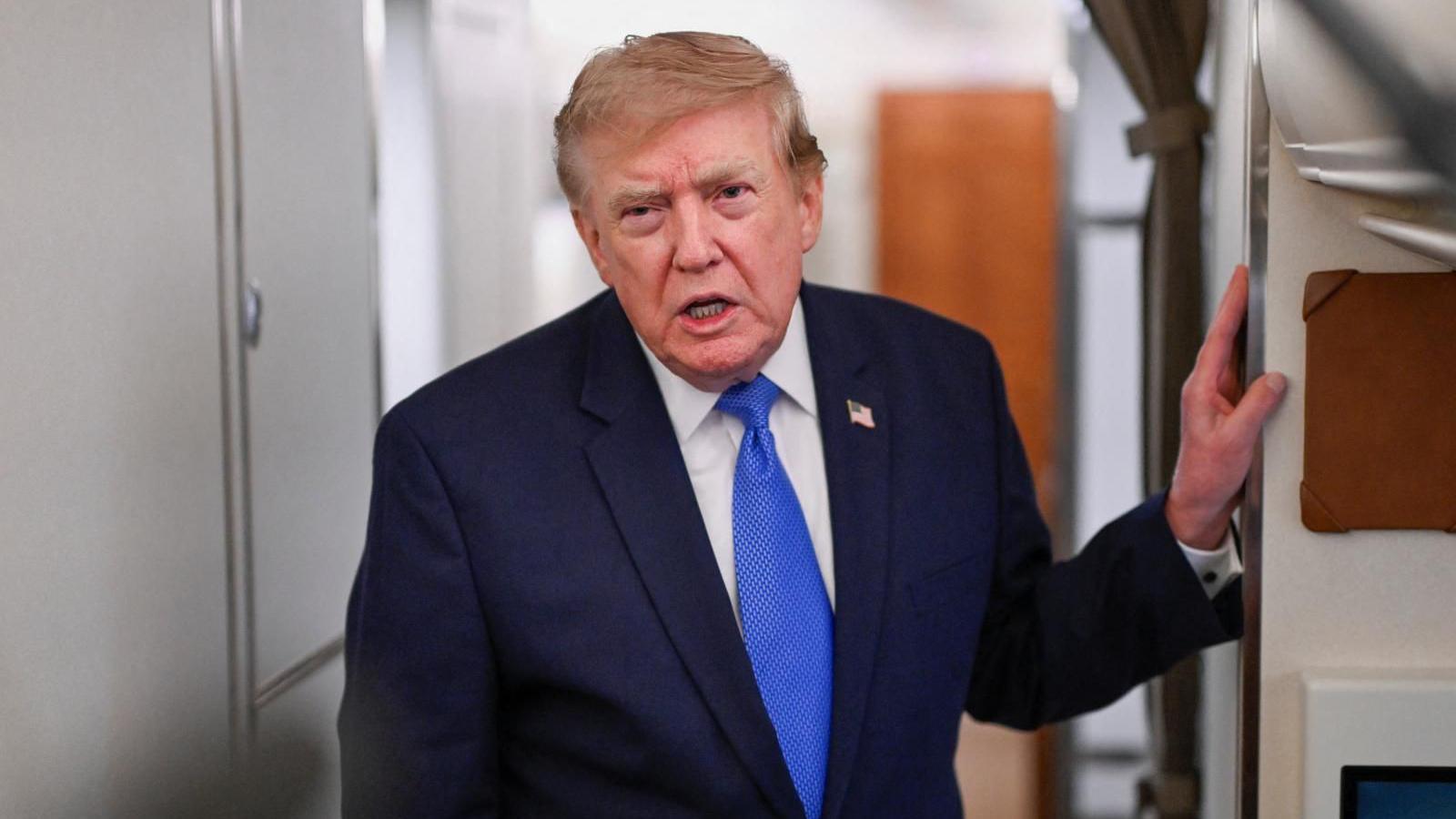
U.S. President Donald Trump, aboard Air Force One, announced that the United States would not launch the planned strikes against Iran and would instead move toward a series of diplomatic talks that will begin on Monday afternoon.
In a brief televised briefing, Trump said the same "extent" of the attack had been visible in the air, prompting him to believe negotiations are underway. He thanked allies in the Middle East and the U.S. for pressing him to hold off on any military action, noting that the “perimeters” of a deal had been agreed.
Iran has denied that Tehran requested a pause, dismissing Trump’s claims as “nothing but a new lie.” The Iranian foreign minister said negotiations with Oman on security of the Strait of Hormuz are close to a finalisation.
Oil markets reacted sharply, with Brent crude falling 4.5% and U.S. oil dropping 4.6% as traders weighed the new diplomatic direction amid sustained tensions over shipping through the Strait of Hormuz—ricchly vital for about 20% of the world’s crude and LNG traffic.
Trump’s statement followed a week of bombardment threats, including remarks that the U.S. had been “locked, loaded and ready to go against the Islamic Republic of Iran” at a level not seen since World War II. However, the president also advised that the attack would be “for the future benefit of the world and… the survival of a successful and prosperous Iran.”
Details of the Monday talks—venue, participants, or a deadline for a deal—remain unknown. Trump testified that “we’ll see how it is.” His statements were sharply criticized by international law experts, who warned that any attack on civilian infrastructure could constitute a war crime.
The decision to postpone military action has been cited by some analysts as a reversal of a broader U.S. policy drift, but it also coincides with widespread domestic unease about the ongoing U.S.-Iran war and the economic fallout from it. As American polls indicate growing dissatisfaction with the war, the President’s bold pivot to diplomacy could significantly influence the political landscape ahead of the November elections.
For further details, click on the map of Iran’s strategic energy infrastructure below, which illustrates the vital sites potentially at risk in any future conflict.