In brief
US President Donald Trump has cancelled the planned live broadcast of former army psychiatrist Nidal Hasan’s execution by firing squad, a decision that followed widespread condemnation from human‑rights groups and the United Nations. The killing of 13 soldiers in the 2009 Fort Hood shooting and the fact that Hasan’s execution would be the first U.S. military execution in over sixty years make the event highly controversial. Trump had initially defended the livestream as a deterrent, but reversed his stance citing criticism. While the execution will proceed as scheduled, it will no longer be streamed publicly and families of the victims are still invited to attend in person. The decision illustrates the tension between showcasing justice and respecting human‑rights norms in the digital era.
US President Donald Trump has cancelled plans to livestream the execution of former army psychiatrist Nidal Hasan by firing squad after worldwide criticism.
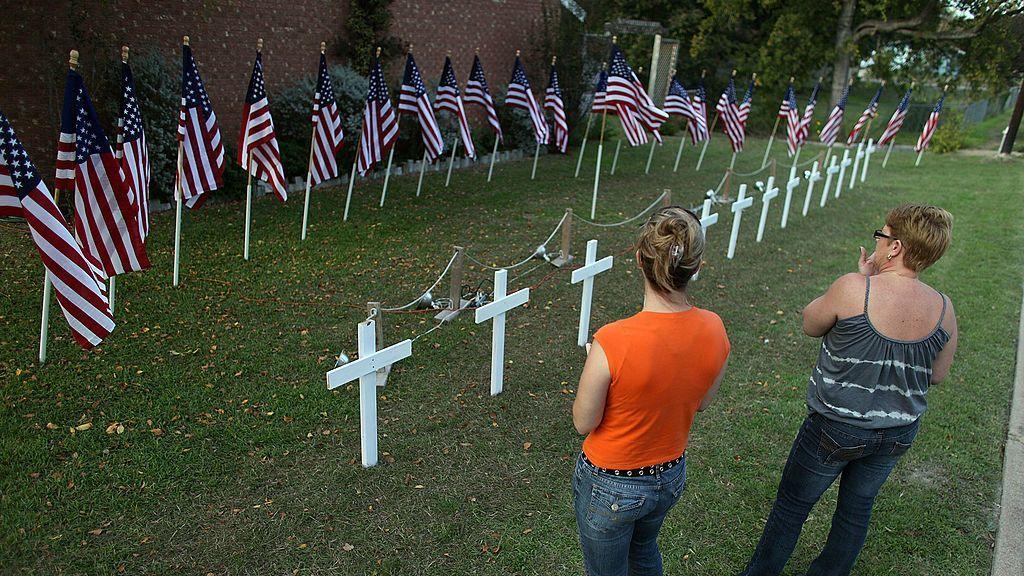
Hasan carried out the 2009 Fort Hood shooting that killed 13 unarmed soldiers and injured 32 more. His execution is scheduled for 3 December 2026 and would be the first military execution in the United States in more than six decades.
Initially, Trump said he approved of showing the death as a deterrent, but said the event would not be streamed after pressure from human‑rights groups and the United Nations, which called the plan “abhorrent.”
He posted on Truth Social: "He will die, as scheduled, by firing squad, but this event will not be streamed. Families of the victims still have the option to attend in person and that they deserve to witness justice."
Secretary of Defence Pete Hegseth had earlier stated that the execution would be livestreamed, a stance that was later tempered by a Pentagon spokesman who said he had spoken with Trump and that the leadership was “aligned.”
The reversal comes after reports that the unanimous decision to allow a public execution violated Army regulations and attracted condemnation from Amnesty International, which recorded more than 17 public executions globally last year.
Legal experts say the execution remains authorised by the President, and that appellate review will still be required before the court‑martial can carry it out.
For viewers, the decision highlights the tension between the right to a public spectacle of justice and the obligation to protect dignity and human rights in the digital age.