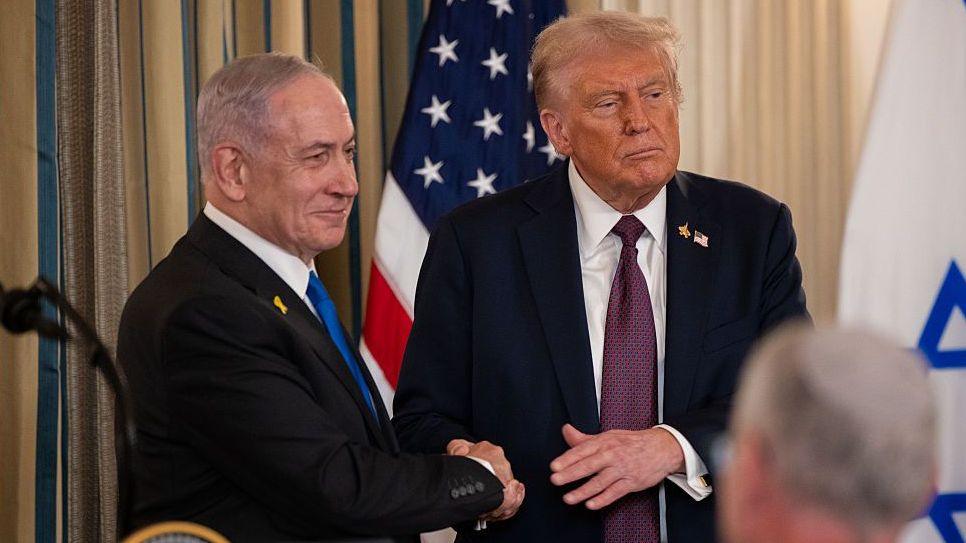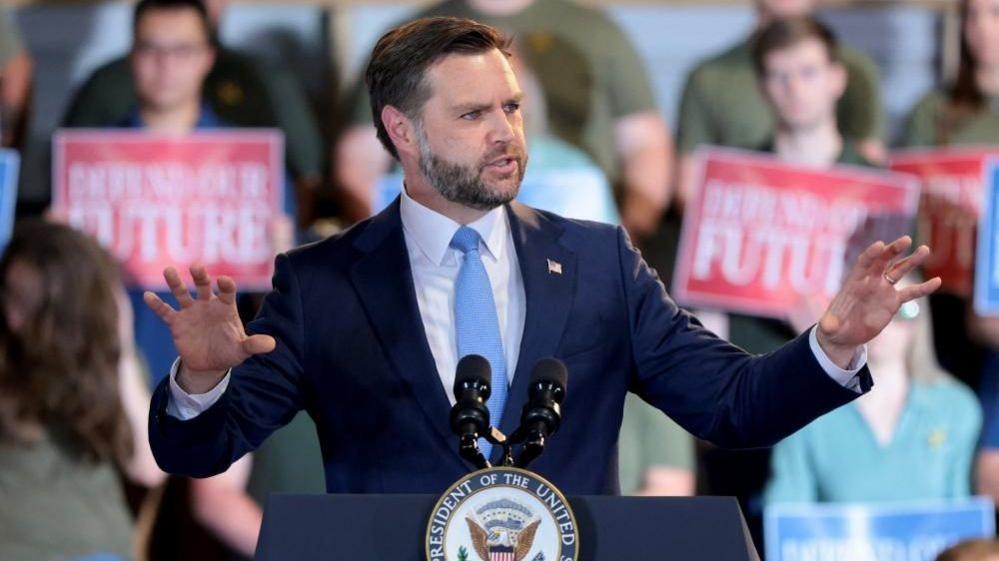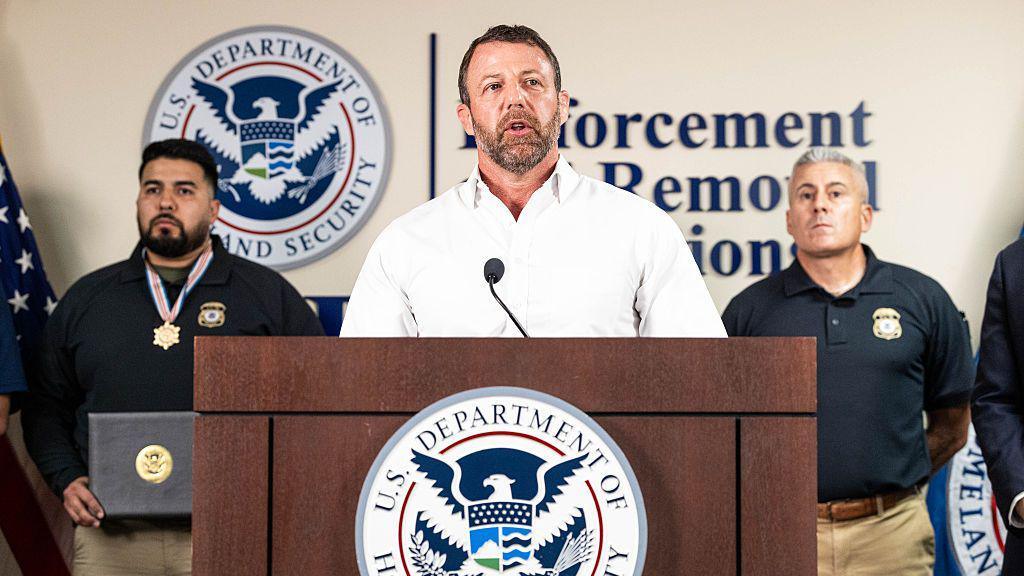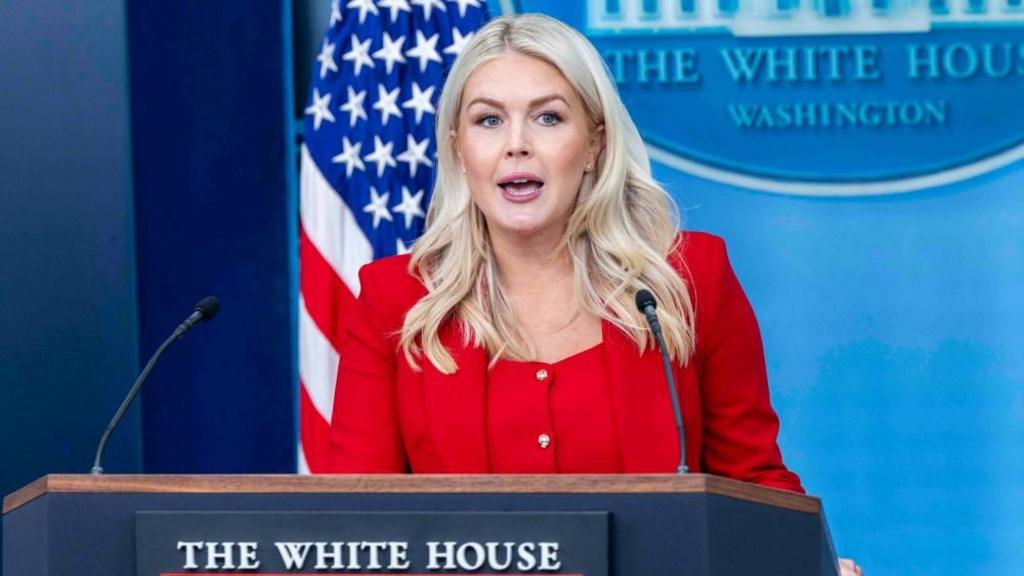
A U.S. government panel is set to meet Tuesday for the first time since 1992 to consider exempting oil and gas drilling in the Gulf of Mexico from the Endangered Species Act, citing national security concerns. Critics argue this decision could jeopardize the rare Rice's whale and various other marine species. Known informally as the 'God Squad', the Endangered Species Committee is chaired by Interior Secretary Doug Burgum and is made up of several Trump administration officials.
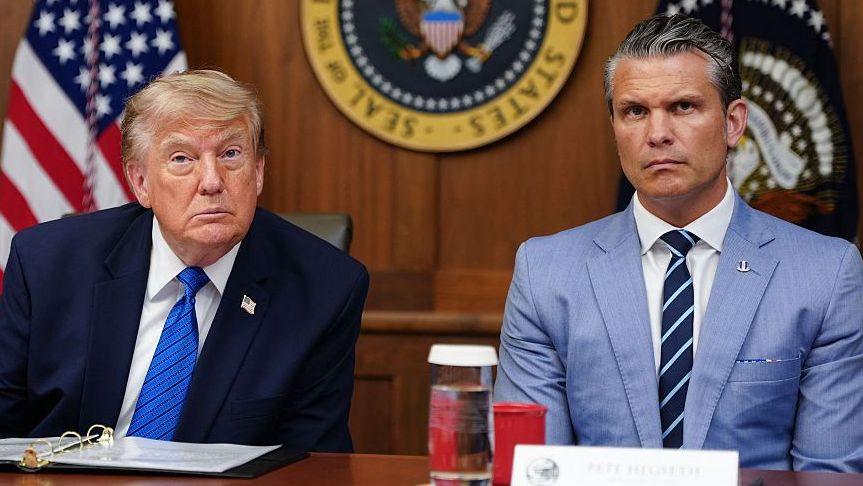
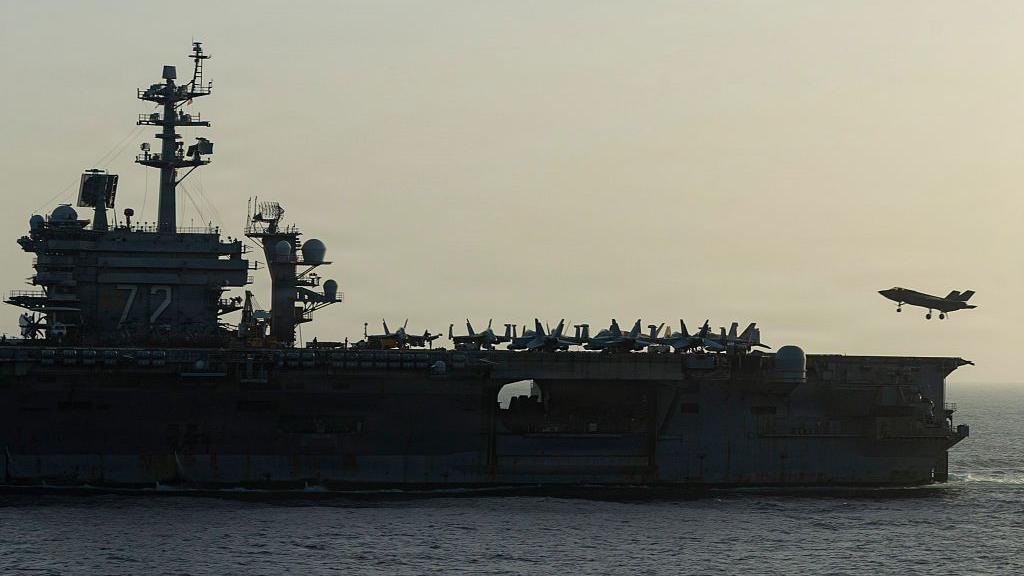
President Donald Trump has prioritized increasing fossil fuel production during his second term, pushing for new drilling areas off the Florida coast, while proposing significant cuts to environmental regulations. Defense Secretary Pete Hegseth, in a court filing, indicated that exemptions from the Endangered Species Act were necessary for national security, although officials have not disclosed the specific rationale behind this request. The call for such exemptions comes amid escalating global oil market tensions linked to the ongoing conflict in Iran.
Environmental groups have expressed deep concern about the potential impact on the Gulf's fragile ecosystems. The Gulf is a vital area for U.S. oil production, contributing over 10% of the nation’s crude output, yet it has also been the site of notable environmental disasters, such as the 2010 Deepwater Horizon spill.
Recent analyses suggest that Gulf drilling could endanger whale species and sea turtles, a sentiment echoed by critics who argue that this exemption could push the Rice's whale closer to extinction. A judge struck down an effort by environmentalists to block the meeting, stating it was premature, as the committee had yet to act on the exemption proposal.
The Endangered Species Committee was established in 1978 to provide economic exemptions under specific conditions, but it has met only three times in its history, issuing just two exemptions. The implications of this meeting reach far beyond oil production, potentially influencing the balance between national interests and environmental protections.
President Donald Trump has prioritized increasing fossil fuel production during his second term, pushing for new drilling areas off the Florida coast, while proposing significant cuts to environmental regulations. Defense Secretary Pete Hegseth, in a court filing, indicated that exemptions from the Endangered Species Act were necessary for national security, although officials have not disclosed the specific rationale behind this request. The call for such exemptions comes amid escalating global oil market tensions linked to the ongoing conflict in Iran.
Environmental groups have expressed deep concern about the potential impact on the Gulf's fragile ecosystems. The Gulf is a vital area for U.S. oil production, contributing over 10% of the nation’s crude output, yet it has also been the site of notable environmental disasters, such as the 2010 Deepwater Horizon spill.
Recent analyses suggest that Gulf drilling could endanger whale species and sea turtles, a sentiment echoed by critics who argue that this exemption could push the Rice's whale closer to extinction. A judge struck down an effort by environmentalists to block the meeting, stating it was premature, as the committee had yet to act on the exemption proposal.
The Endangered Species Committee was established in 1978 to provide economic exemptions under specific conditions, but it has met only three times in its history, issuing just two exemptions. The implications of this meeting reach far beyond oil production, potentially influencing the balance between national interests and environmental protections.