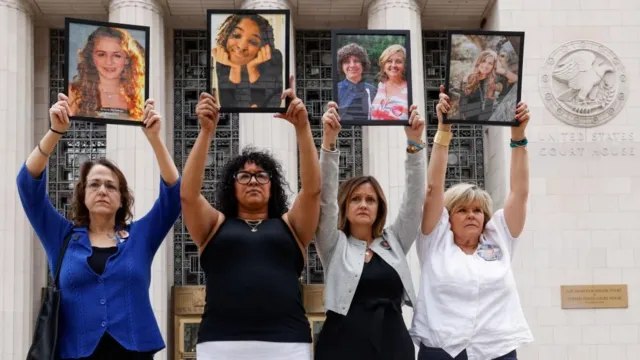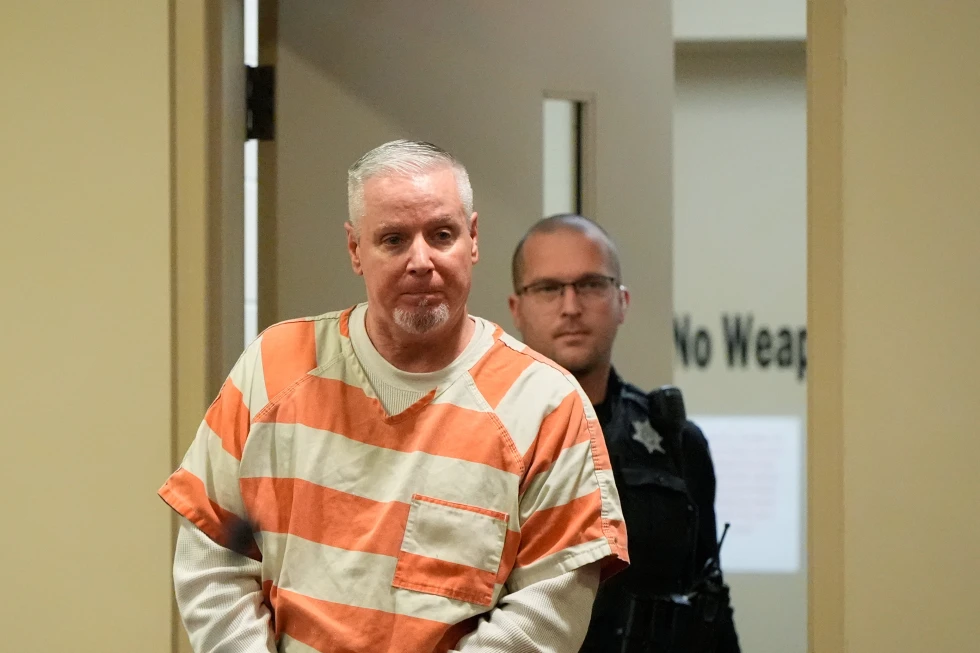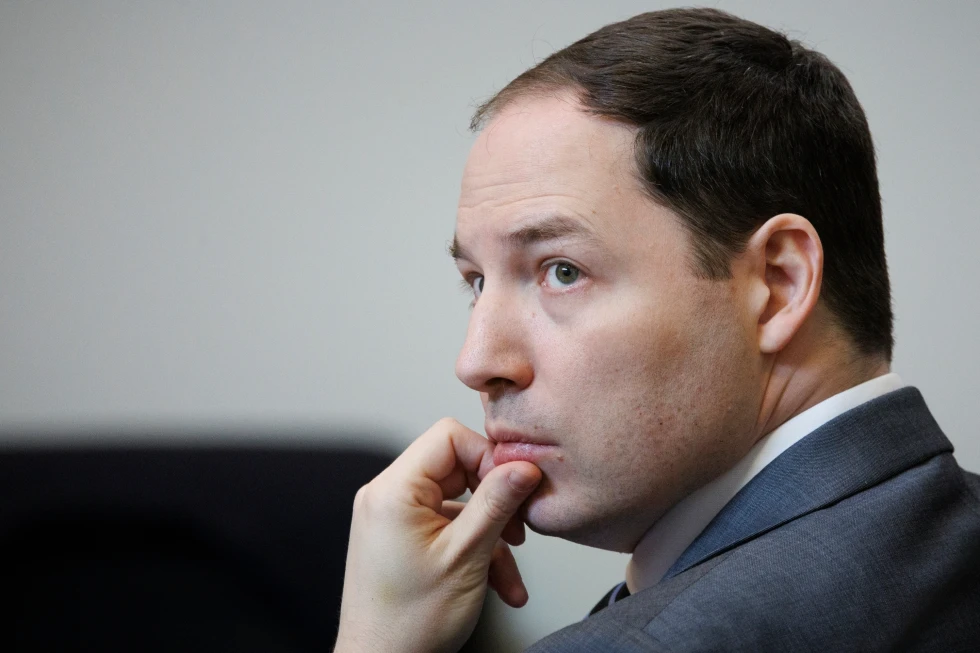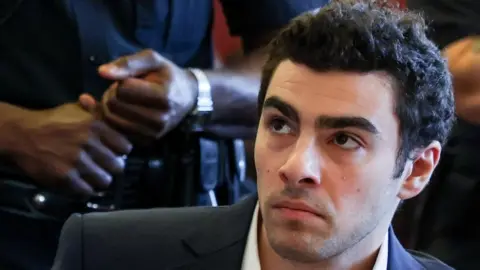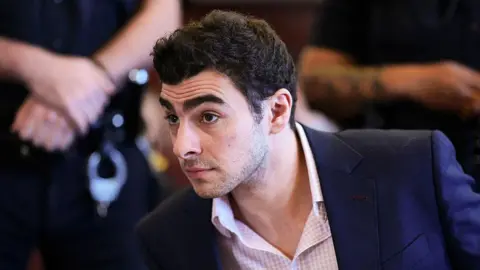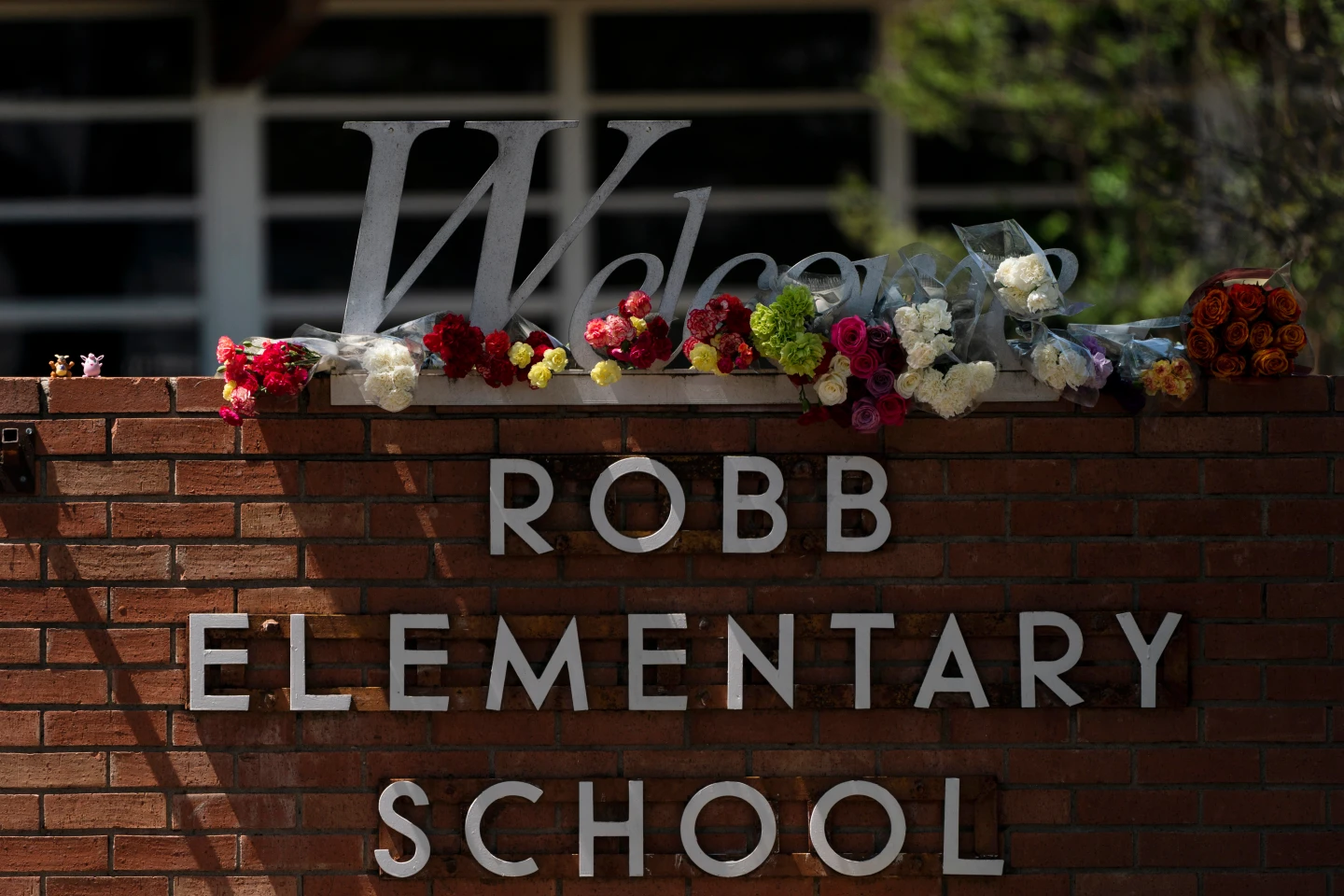
CORPUS CHRISTI, Texas (AP) — The emotions are heightened as the trial for former Uvalde school officer Adrian Gonzales, involved in the tragic school shooting response, officially commences. Families of the victims, whose loved ones were killed in the Uvalde massacre, could potentially testify against Gonzales, highlighting the painful path toward justice amidst a backdrop of community outrage.
Opening statements were anticipated on Tuesday in a pivotal case where a police officer is facing charges for an alleged failure to act during the harrowing events wherein law enforcement waited over an hour to confront the shooter, resulting in devastating consequences.
Gonzales, who is charged with 29 counts of child abandonment and endangerment, has pleaded not guilty, with his defense asserting he did attempt to save children that day. If convicted, Gonzales faces a two-year maximum prison sentence.
He is one of only two officers facing charges over their response to the incident, with former Uvalde schools police chief Pete Arredondo's trial yet to be scheduled. Many families from the victims have voiced their frustration, believing that other officers, part of the nearly 400 who rushed to the scene, should also face charges.
Details surrounding the incident reveal harrowing accounts of terrified students who phoned 911 while parents outside begged for help, highlighting a sense of desperation that will be part of the narrative in the courtroom. A tactical team finally confronted the gunman after a lengthy delay, resulting in the deaths of 19 students and two teachers.
An analysis found the timeline of the event was rife with miscommunication and procedural failures within law enforcement, intensifying scrutiny on their training and engagement strategies during such emergencies.
Prosecutors are expected to face considerable challenges in proving their case, reflecting a trend where juries are often hesitant to convict law enforcement for inaction, as seen in the precedents following the 2018 Parkland, Florida shooting. The outcome of Gonzales' trial could set significant legal precedents regarding police accountability in active shooter scenarios, thus capturing national attention as it unfolds.
Opening statements were anticipated on Tuesday in a pivotal case where a police officer is facing charges for an alleged failure to act during the harrowing events wherein law enforcement waited over an hour to confront the shooter, resulting in devastating consequences.
Gonzales, who is charged with 29 counts of child abandonment and endangerment, has pleaded not guilty, with his defense asserting he did attempt to save children that day. If convicted, Gonzales faces a two-year maximum prison sentence.
He is one of only two officers facing charges over their response to the incident, with former Uvalde schools police chief Pete Arredondo's trial yet to be scheduled. Many families from the victims have voiced their frustration, believing that other officers, part of the nearly 400 who rushed to the scene, should also face charges.
Details surrounding the incident reveal harrowing accounts of terrified students who phoned 911 while parents outside begged for help, highlighting a sense of desperation that will be part of the narrative in the courtroom. A tactical team finally confronted the gunman after a lengthy delay, resulting in the deaths of 19 students and two teachers.
An analysis found the timeline of the event was rife with miscommunication and procedural failures within law enforcement, intensifying scrutiny on their training and engagement strategies during such emergencies.
Prosecutors are expected to face considerable challenges in proving their case, reflecting a trend where juries are often hesitant to convict law enforcement for inaction, as seen in the precedents following the 2018 Parkland, Florida shooting. The outcome of Gonzales' trial could set significant legal precedents regarding police accountability in active shooter scenarios, thus capturing national attention as it unfolds.