In brief
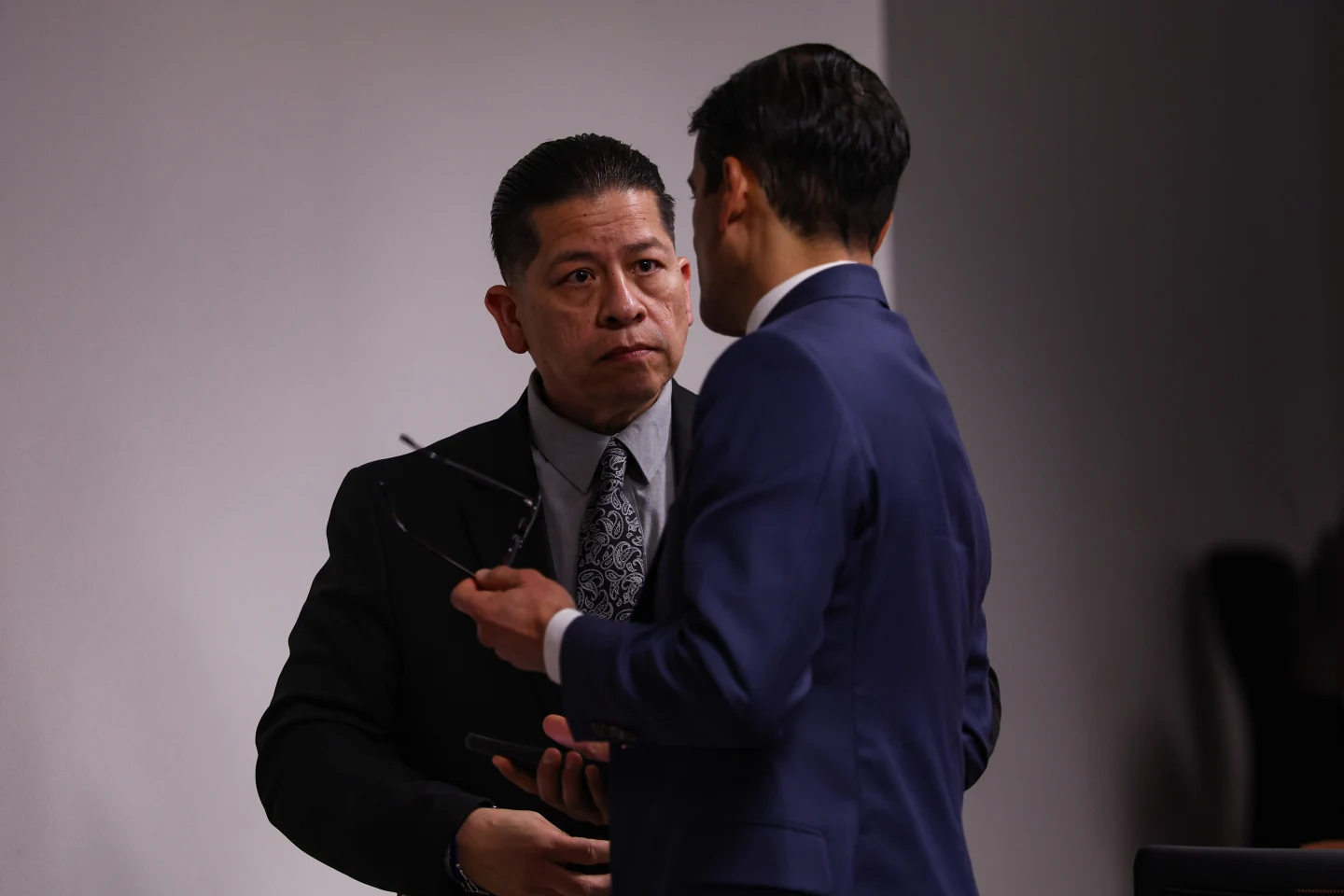
Adrian Gonzales stands trial for 29 counts of child abandonment and endangerment due to his alleged inaction during the Robb Elementary School attack that resulted in the deaths of 19 students and two teachers. With emotional accounts from teachers and police officers, the case focuses on Gonzales’s alleged failure to act despite being one of the first responders at the scene. The prosecution has raised concerns over his delay in confronting the shooter, while Gonzales maintains he did not see the gunman before entering the school. Closing arguments are set to begin shortly, with jurors expected to deliberate on the charges soon.
CORPUS CHRISTI, Texas (AP) — The trial of a former Uvalde, Texas, school police officer accused of failing to stop a gunman in the critical first minutes of the 2022 Robb Elementary School attack was expected to go to jury deliberation soon.Adrian Gonzales, who faced 29 counts of child abandonment or endangerment, maintains his not guilty plea regarding the tragic incident where 19 students and two teachers were killed by a teenage gunman. Prosecutors and Gonzales’ defense team are preparing for closing arguments, setting the stage for jurors to consider the evidence.Special prosecutor Bill Turner emphasized the urgency of police response in active shooter situations, highlighting the three-minute delay from when Gonzales first arrived at the scene to when he entered the building. Every second counts in an active shooter situation, he stated.Over nine days, the prosecution presented emotional testimonies from various witnesses, including teachers who recounted the moment the gunman started his assault. The defense only called two witnesses, indicating a more restrained approach during the trial.The case, moved to Corpus Christi due to concerns over a fair trial in Uvalde, saw some family members of the victims attend the proceedings, despite the long travel.Both sides have raised questions about the adequacy of the police response, with Gonzales maintaining he did not freeze but simply did not see the shooter. The state's case also faced criticism, including inconsistent witness testimonies prompting defense motions for mistrials.This trial marks a rare instance of a police officer facing criminal charges for inaction during an active shooter scenario. As deliberations approach, the focus remains not only on Gonzales but on the broader implications for law enforcement's response protocols in crisis situations.