The sun would rise over the Rockies, and Robin Gammons would run to the front porch to grab the morning paper before school. The Montana Standard meant more than just information; it was a part of growing up. When she or her siblings appeared in its pages, their achievements felt more substantial.
However, two years ago, the Montana Standard cut print circulation to three days a week, part of a wider trend affecting approximately 3,500 newspapers in the last two decades. This reduction is more than an economic decision; it highlights the shifting role and identity of newspapers in our daily routines.
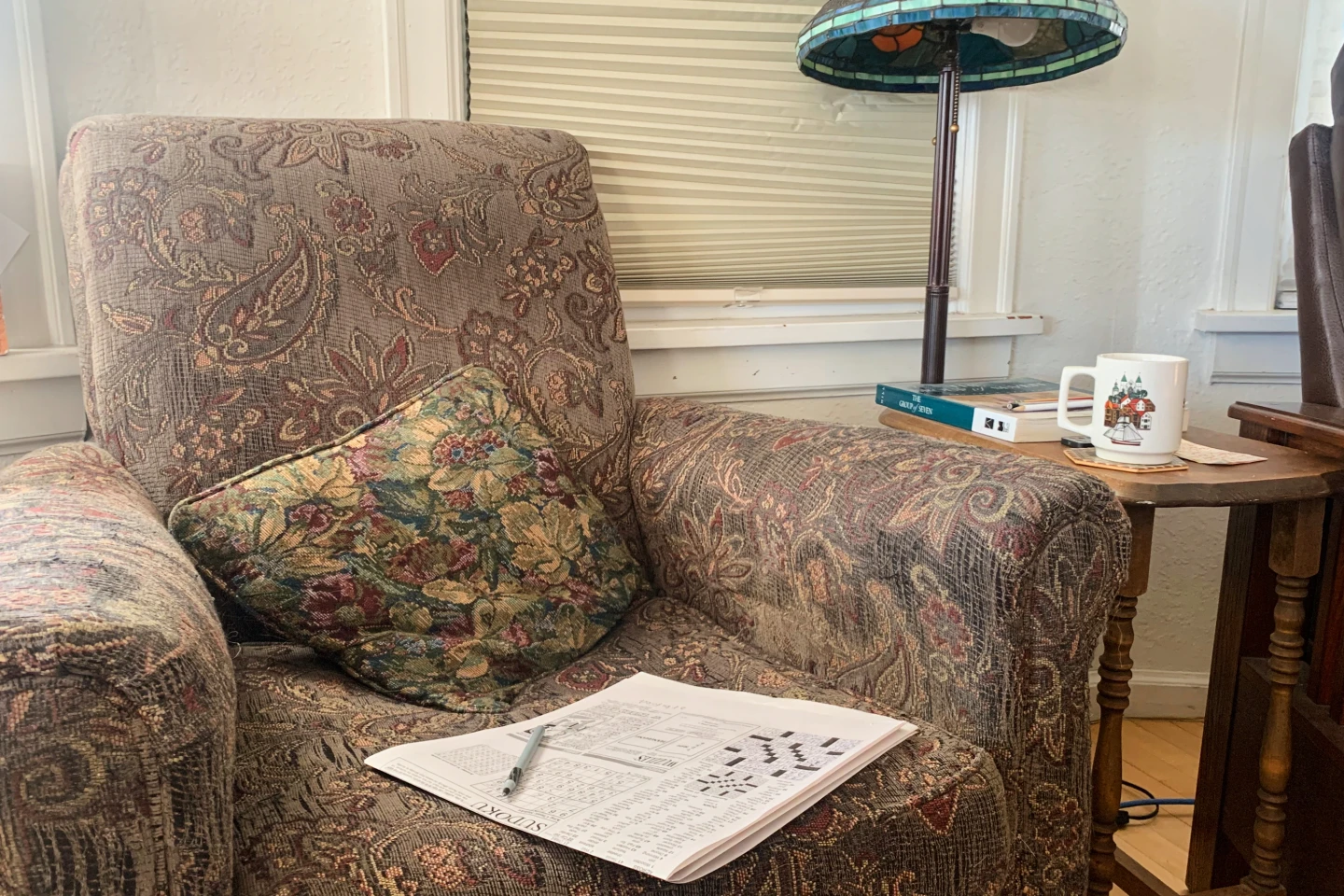
Diane DeBlois, a founder of the Ephemera Society of America, notes various practical uses of newspapers beyond reading, arguing that their decline changes how we interact with our environment, including nostalgic attachment to the item itself.
Nick Mathews recalls fond memories of his family wrapping gifts in newspaper, and the emotional connection and community pride tied to printed achievements. With digital media taking their place, how these changes affect personal and interpersonal dynamics remains a crucial topic of discussion.
While some institutions, like Nebraska Wildlife Rehab, still rely on newspapers for operational needs, concerns about a future without print emerge. Their disappearance signals a greater loss, not just of a reading format but of shared experiences that shaped generations.
The increasing transition from print to digital media, exemplified by instances like the Atlanta Journal-Constitution switching entirely to digital, raises questions about the habits of consuming information and their effects on social interaction and community-building.