NASHVILLE, Tenn. — Tennessee officials have called off the lethal injection of Tony Carruthers, a man convicted of kidnapping and murdering three people in Memphis in 1994, after execution staff failed for over an hour to establish a required backup intravenous line. Governor Bill Lee announced Thursday that the state will not attempt another execution for at least one year following the botched procedure.
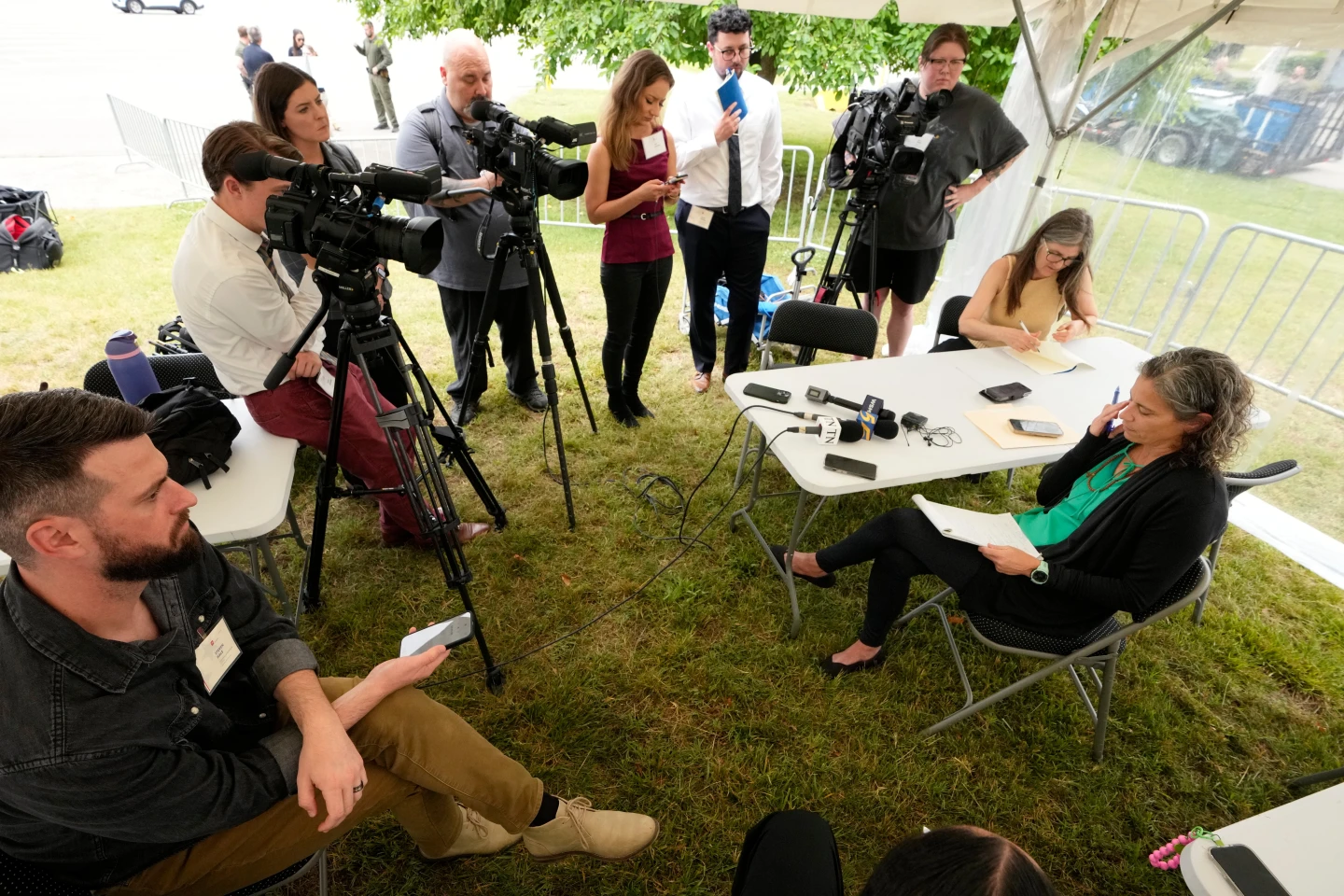
According to the Tennessee Department of Corrections, medical personnel quickly established a primary IV line but were unable to locate a suitable vein for the mandatory backup line as required by state protocol. Attempts to create a central line also failed, leading officials to cancel the execution. Maria DeLiberato, an attorney representing Carruthers, described the scene as horrible and noted Carruthers was wincing and groaning during the failed procedures. She witnessed two or three puncture wounds and blood during the process, and later broke down in tears when the governor's office announced the reprieve. An Associated Press journalist was present to witness the execution but could not observe the IV insertion due to a state rule that prohibits media from witnessing that specific step.
Carruthers, 57, was convicted in 1994 of the kidnapping and murder of Marcellos Anderson, his mother Delois Anderson, and Frederick Tucker. Authorities stated Anderson was a drug dealer and Carruthers was attempting to take over the illegal trade in their Memphis neighborhood. The case relied heavily on testimony from individuals who claimed to have heard Carruthers confess or discuss the crimes, with no physical evidence linking him to the murders. Carruthers was forced to represent himself at trial after repeatedly complaining about court-appointed attorneys and threatening to harm several of them.
Carruthers' attorneys have argued that he has severe mental health issues that render him incompetent to be executed and have long pushed for DNA testing on evidence that should have been conducted years ago. The ACLU noted that the state's failed attempt today to execute Carruthers presents an additional issue surrounding the qualifications of the medical personnel tasked with executing prisoners. The Death Penalty Information Center stated that Carruthers' case raised serious concerns about mental illness, representation, innocence, and access to DNA testing.
This is part of a growing pattern of execution delays. Since 2009, six other prisoners in Alabama, Idaho, and Ohio have had executions halted due to IV complications. In Idaho this year, medical teams tried eight times to establish a line for Thomas Creech, one of the nation's longest-serving death row inmates, before calling off the attempt. The state subsequently passed a law making firing squad the primary method of execution. Similarly, in Alabama, Governor Kay Ivey paused executions for several months after officials called off the lethal injection of Kenneth Eugene Smith in 2022, marking the third time since 2018 that Alabama had been unable to conduct executions due to IV issues.
Nationwide, the number of executions in the U.S. surged from 25 in 2024 to 47 last year, driven by a sharp increase in Florida. That state carried out 19 executions in 2025, up from one the previous year. Four states have already executed 14 people this year, including one Thursday evening in Florida, with 10 more scheduled. Tennessee, which had its last execution in December, began a new round last year after a three-year pause following the discovery that the state was not properly testing lethal injection drugs for purity and potency.
An independent review found that none of the drugs prepared for the seven inmates executed since 2018 had been fully tested. The state attorney general’s office also conceded in court that two of the people most responsible for overseeing the lethal injection drugs incorrectly testified under oath that officials were testing the chemicals as required. The state's decision to halt executions for a year raises questions about the future of capital punishment in Tennessee and the country. Advocates argue that the repeated failures in IV insertion highlight systemic flaws in the execution process that may make the death penalty inhumane and unreliable.
The case of Tony Carruthers has reignited debate about the reliability and morality of lethal injection. As the nation grapples with the ethical and practical challenges of capital punishment, the incident underscores the need for transparency and reform in the execution process.}
According to the Tennessee Department of Corrections, medical personnel quickly established a primary IV line but were unable to locate a suitable vein for the mandatory backup line as required by state protocol. Attempts to create a central line also failed, leading officials to cancel the execution. Maria DeLiberato, an attorney representing Carruthers, described the scene as horrible and noted Carruthers was wincing and groaning during the failed procedures. She witnessed two or three puncture wounds and blood during the process, and later broke down in tears when the governor's office announced the reprieve. An Associated Press journalist was present to witness the execution but could not observe the IV insertion due to a state rule that prohibits media from witnessing that specific step.
Carruthers, 57, was convicted in 1994 of the kidnapping and murder of Marcellos Anderson, his mother Delois Anderson, and Frederick Tucker. Authorities stated Anderson was a drug dealer and Carruthers was attempting to take over the illegal trade in their Memphis neighborhood. The case relied heavily on testimony from individuals who claimed to have heard Carruthers confess or discuss the crimes, with no physical evidence linking him to the murders. Carruthers was forced to represent himself at trial after repeatedly complaining about court-appointed attorneys and threatening to harm several of them.
Carruthers' attorneys have argued that he has severe mental health issues that render him incompetent to be executed and have long pushed for DNA testing on evidence that should have been conducted years ago. The ACLU noted that the state's failed attempt today to execute Carruthers presents an additional issue surrounding the qualifications of the medical personnel tasked with executing prisoners. The Death Penalty Information Center stated that Carruthers' case raised serious concerns about mental illness, representation, innocence, and access to DNA testing.
This is part of a growing pattern of execution delays. Since 2009, six other prisoners in Alabama, Idaho, and Ohio have had executions halted due to IV complications. In Idaho this year, medical teams tried eight times to establish a line for Thomas Creech, one of the nation's longest-serving death row inmates, before calling off the attempt. The state subsequently passed a law making firing squad the primary method of execution. Similarly, in Alabama, Governor Kay Ivey paused executions for several months after officials called off the lethal injection of Kenneth Eugene Smith in 2022, marking the third time since 2018 that Alabama had been unable to conduct executions due to IV issues.
Nationwide, the number of executions in the U.S. surged from 25 in 2024 to 47 last year, driven by a sharp increase in Florida. That state carried out 19 executions in 2025, up from one the previous year. Four states have already executed 14 people this year, including one Thursday evening in Florida, with 10 more scheduled. Tennessee, which had its last execution in December, began a new round last year after a three-year pause following the discovery that the state was not properly testing lethal injection drugs for purity and potency.
An independent review found that none of the drugs prepared for the seven inmates executed since 2018 had been fully tested. The state attorney general’s office also conceded in court that two of the people most responsible for overseeing the lethal injection drugs incorrectly testified under oath that officials were testing the chemicals as required. The state's decision to halt executions for a year raises questions about the future of capital punishment in Tennessee and the country. Advocates argue that the repeated failures in IV insertion highlight systemic flaws in the execution process that may make the death penalty inhumane and unreliable.
The case of Tony Carruthers has reignited debate about the reliability and morality of lethal injection. As the nation grapples with the ethical and practical challenges of capital punishment, the incident underscores the need for transparency and reform in the execution process.}