In brief
A surge of bench‑made fentanyl, mixed with dangerous additives like xylazine and medetomidine, is reshaping the U.S. drug crisis. Local scenes show veterans and young users battling potent, unknown blends that outshine traditional heroin. Overdose numbers climb while law‑enforcement struggles to detect paper‑soaked drug packets entering jails. Communities respond with recovery groups and real‑time testing, but the supply side has moved underground in basements and bathtubs.
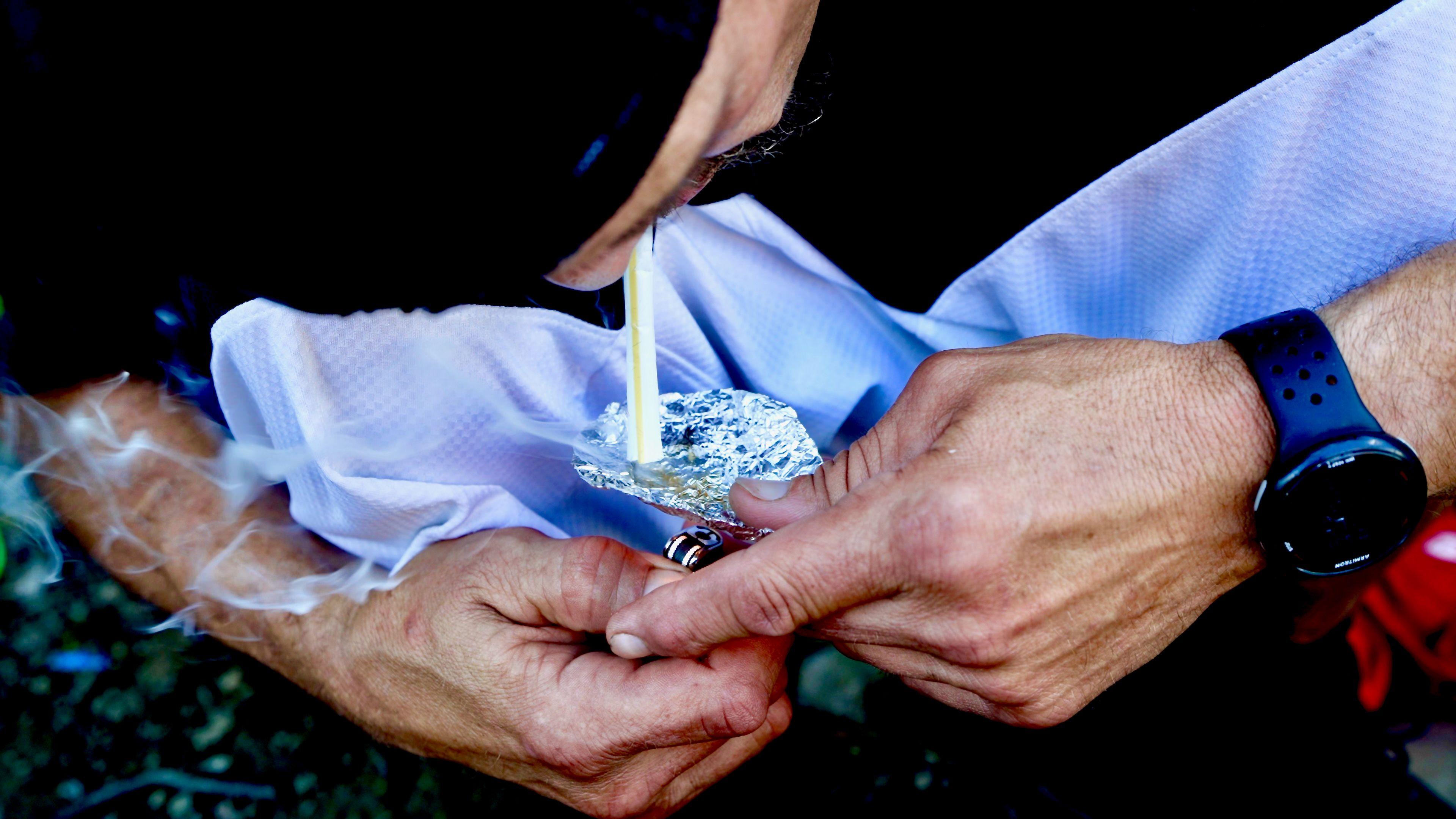
In the Linden neighborhood of Columbus, a 48‑year‑old army veteran named Mike has become an unwitting witness to the sharp turn the drug crisis has taken. A handful of clean white grains of fentanyl, hidden in a strip of silver foil, sit between his fingers as a cigarette lighter flicks to life. The vapor he inhales carries a powder far more potent than the heroin that once dominated the streets.
Unlike classic street heroin, this homemade fentanyl is often spiked with animal sedatives such as xylazine and medetomidine. Those chemicals deepen the euphoria but also reduce breathing and render the life‑saving nasal spray Narcan ineffective. The result: overdoses that look like ticking time bombs, when a single puff can snap a person over the edge.
From Basement Labs to Jailbook Smuggles
Across the country, drug‑mixing now happens in small home laboratories, using basic chemistry kits and even old bath tubs. In Chicago’s largest jail, officers discovered that the new wave of drugs is soaked in the pages of mail and books, then ignited in cell‑block microwaves. The tactic, described by Sheriff Tom Dart as “a novel approach,” allowed inmates to inhale powder hidden in harmless looking sheets.
Security footage shows prisoners lighting paper, flushing toilets as contraband is disposed of, and victims collapsing in the cells. The sheriff noted that while the jail had been accustomed to a handful of annual overdose deaths, the surge of synthetic cocktails increased fatalities to eight that year alone.
Community Response and Testing
Recovery groups such as Hope Dealer Community in Columbus and Liv4Lali in Chicagoland are stepping up their efforts. They distribute test strips capable of detecting fentanyl, xylazine, and medetomidine, giving users a scarce chance to avoid the deadly mix. An Oakland City metro station even offers free naloxone dispensers, a stark reminder of the rising risk.
While the U.S. has managed to cut overdose deaths from 110,000 in 2022 to around 70,000 in 2023, the decline is paired with a shift in the drug supply. Older drugs have been overtaken by sharp‑cut synthetic blends that are harder to regulate. As officers scan mail for moisture and sniff out hidden powder, the fight moves from police chases to laboratory espionage.
In underscored moments, the story pulls from personal testimonies: a veteran who once used heroin before pregnancy; a woman who turned to sobriety while in jail; and a child whose mother escaped a cycle of addiction by giving birth inside a justice facility. Their tales frame a crisis that has escalated from prescription pills to street‑level experimentations.
As the war on drugs evolves, experts argue that the only lasting victory will be comprehensive treatment and support, rather than just dismantling supply chains. Meanwhile, the new synthetic wave forces law enforcement and public health to stay ahead in a cat‑and‑mouse game of underground labs, mailed toxins, and deadly cross‑cuts that keep emerging.